
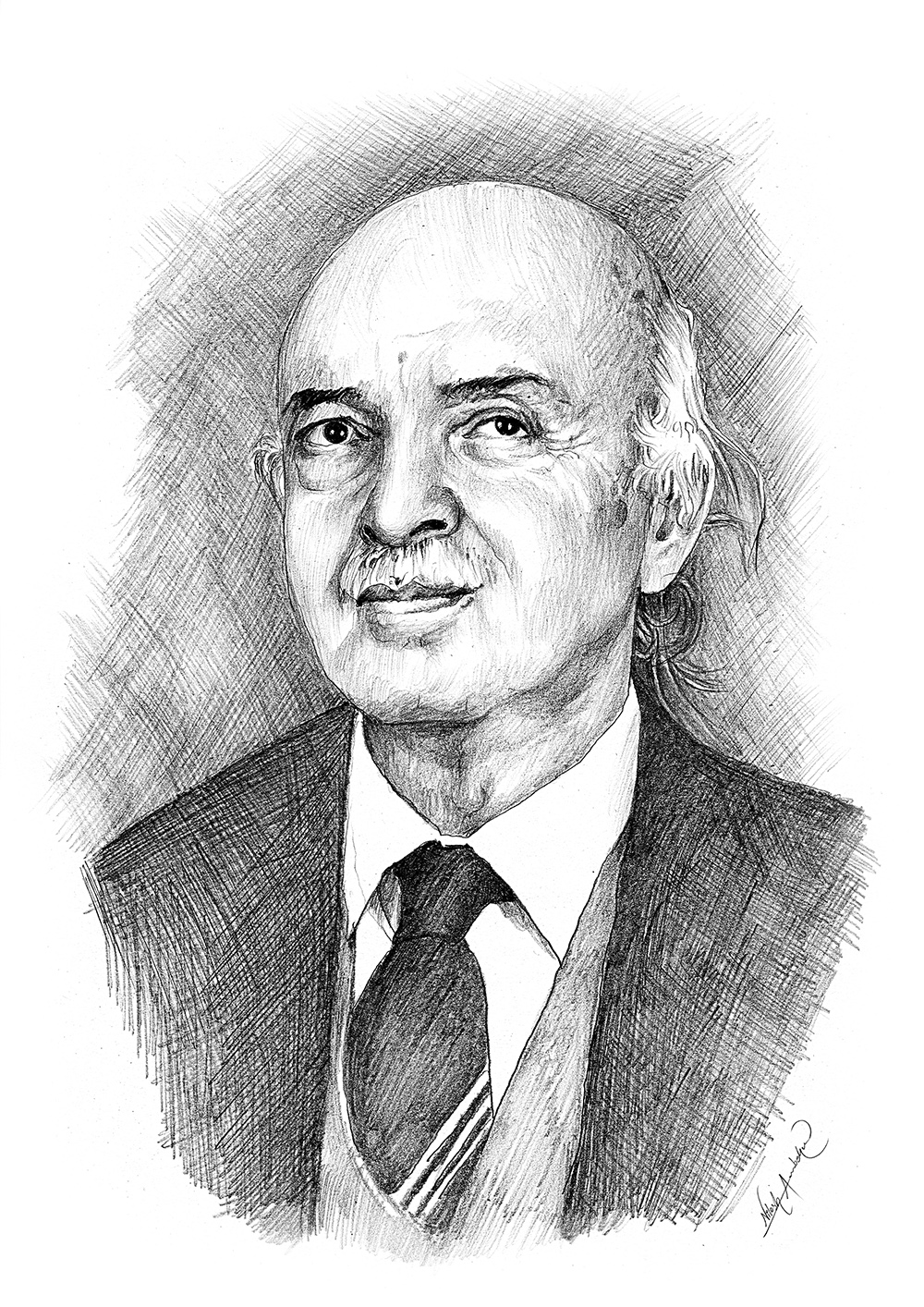
1986 -عبدالعزيز الدوري-

Professor Abdulaziz Al-Douri

Abdulaziz Al-Duri obtained his B.A. from London University in 1940, and his Ph.D. in Islamic History from the same university in 1942. Since then, he had been teaching Islamic history in Iraq and Jordan for more than half a century. During his tenure in Iraq, he became the Dean of the College of Arts and Sciences at Baghdad University, President of the University and subsequently President of the Higher Council of Iraqi Universities. He was also the President of the Iraqi Association of Writers and Authors, and a visiting professor at the American University in Beirut and the School of African and Oriental Studies in London. He was a member of the Iraqi Academy of Science, the Royal Jordanian Academy for Islamic Civilization Research (Al Al-Bayt Foundation for Islamic Thought), and the Council of Custodians of the Library of Alexandria; he was also an honorary member of the Jordanian Arabic language Academy and a corresponding member of the Arab Language Academies in Cairo and Damascus.

Professor Al-Duri was a prominent Arab scholar of Islamic history, especially Islamic economic history. He authored and co-authored around 20 books and numerous scholarly articles dealing with various economical, cultural, and historical aspects of the Islamic civilization. His erudition, originality, and clarity of thought gained him wide recognition throughout the Arab and Islamic worlds. Some of his keynote books, such as his illustrious book: The Economic History of Iraq During the 7th Century A.H., were translated into English, German, Turkish and other languages.

Professor Al-Duri’s distinguished contributions to Islamic economic history were recognized by a number of prestigious awards and honors. He was awarded both the Order of Independence (First Class) and the Distinguished Order of Education in Jordan, as well as an Honorary Doctorate degree from Halle-Wittenberg University in Germany, and the Iraqi Academy of Science prize.


This biography was written in the year the prize was awarded.
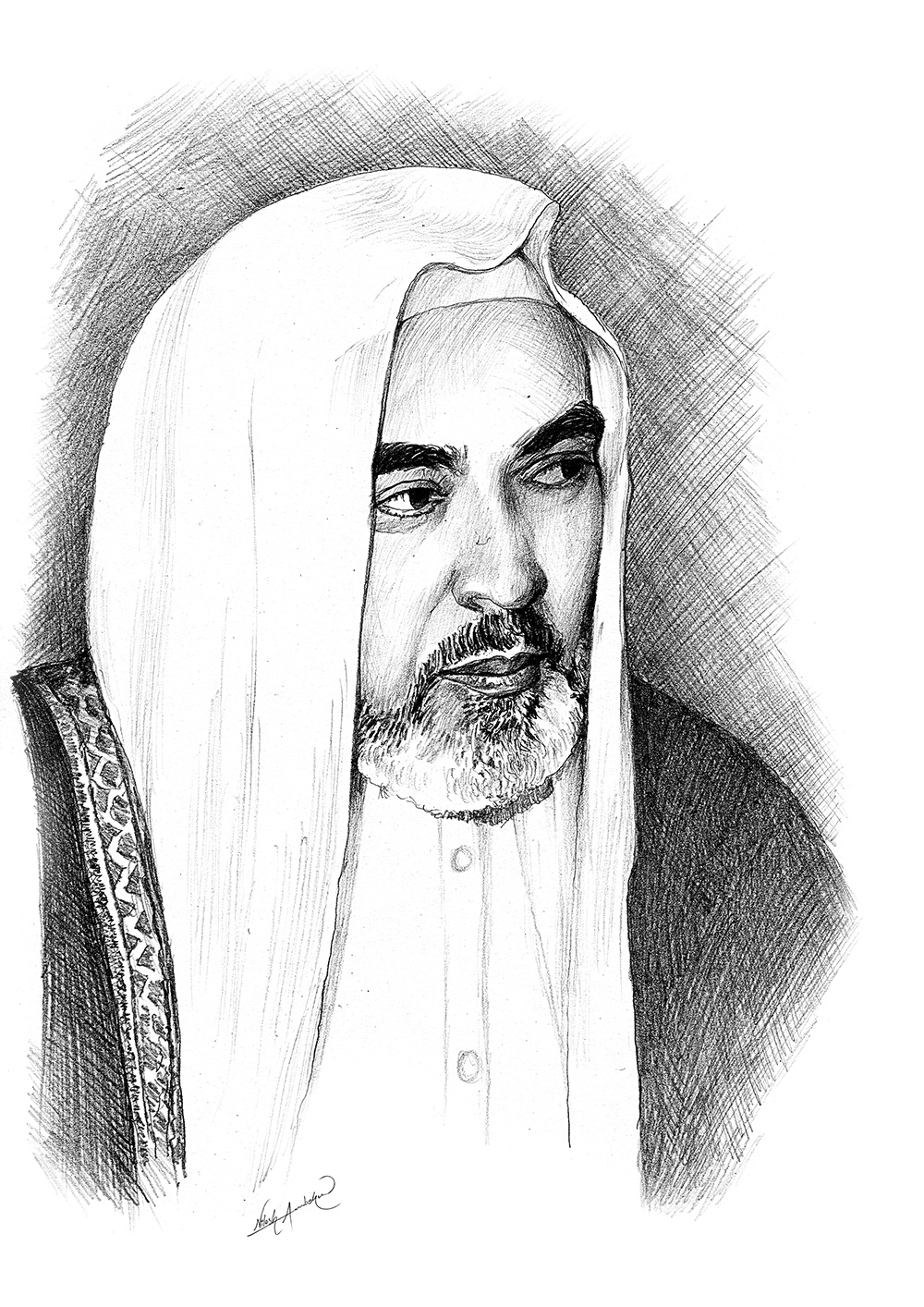
1985 -محمد رشاد سالم-

Professor Mohammad R. Salim


Mohammed Rashad completed his general education and took a bachelor’s degree in philosophy from Fuad Al-Awal University. He pursued higher education in the U.K. and obtained his Ph.D. in the Islamic Doctrine at Cambridge University. He taught for many years at Ain Shams University in Cairo, then traveled to Saudi Arabia where he taught at King Saud University, then at Imam Mohammad Ibn Saud Islamic University in Riyadh.

Professor Mohammad Rashad Salim, a graduate of Cambridge University, was an accomplished Muslim writer and thinker. He authored or edited a number of keynote books on Islamic doctrine, including his illustrious, 11-volume edition of Ibn Taimiyyah’s (1) Dar’a Ta’arudh Al-Aqil Wa Al-Naql (Avoiding Clashes of Thought and Tradition), which remains one of the most influential texts on the Islamic doctrine. Most of his other editions were also focused on the thought and works of Ibn Taimiyya e.g., his editions of: The Path of the Prophet’s Sunnah (2) (8 volumes), Al-Safadiyya (2 volumes) and Righteousness (2 volumes).

Professor Mohammed Rashad was a recipient of the Egyptian State Prize for Islamic Philosophy in 1972 and the Order of Sciences, Literature and Arts in the same year.


This biography was written in the year the prize was awarded.
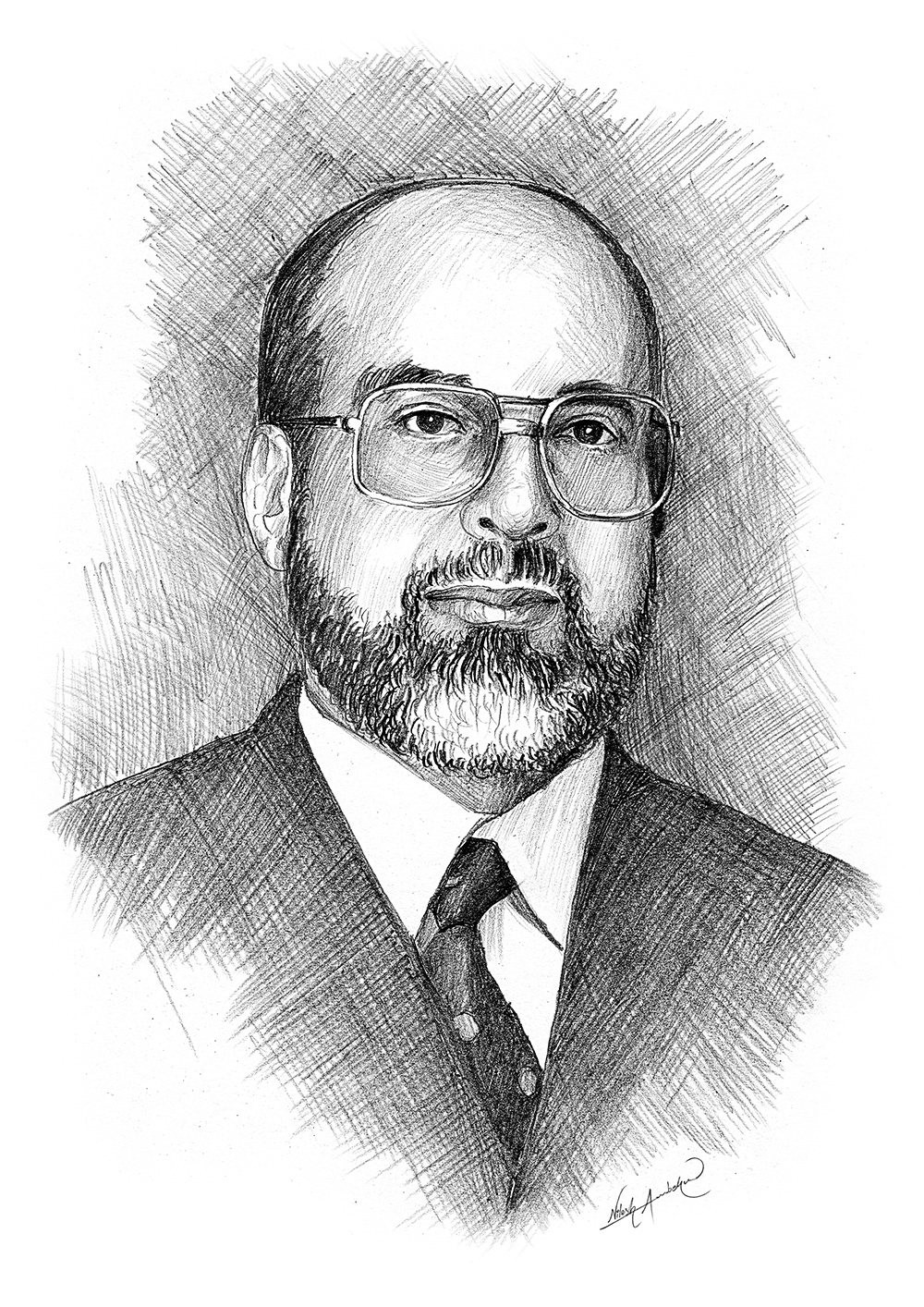
1985 -فاروق أحمد حسن دسوقي-

Professor Farouk Desouki


Farouk Desouki received his general education in local schools and obtained a bachelor’s degree from the College of Arts at Alexandria University in 1959. He obtained his master’s and Ph.D. degrees at Dar Al-Ulum College in Cairo University in 1978. He worked for several years in the Department of Islamic Studies at King Saud University in Riyadh, rising through academic ranks to full professorship.

Professor Desouki made significant contributions to the study of the Islamic Doctrine. He authored several articles and books in this field, including his widely known book Destiny in Islam. This is a comprehensive and thoroughly documented, 3-volume text that reflects the author’s articulation of the subject and his ability to communicate his ideas in a direct and easy-to-apprehend manner.

Three of Disouki’s other books, namely: Man and Satan, Man’s Inheritance of the Land, and Foundations of the Islamic Society are further examples of his insightfulness and deep knowledge of the fundamental principles of Islam.


This biography was written in the year the prize was awarded.
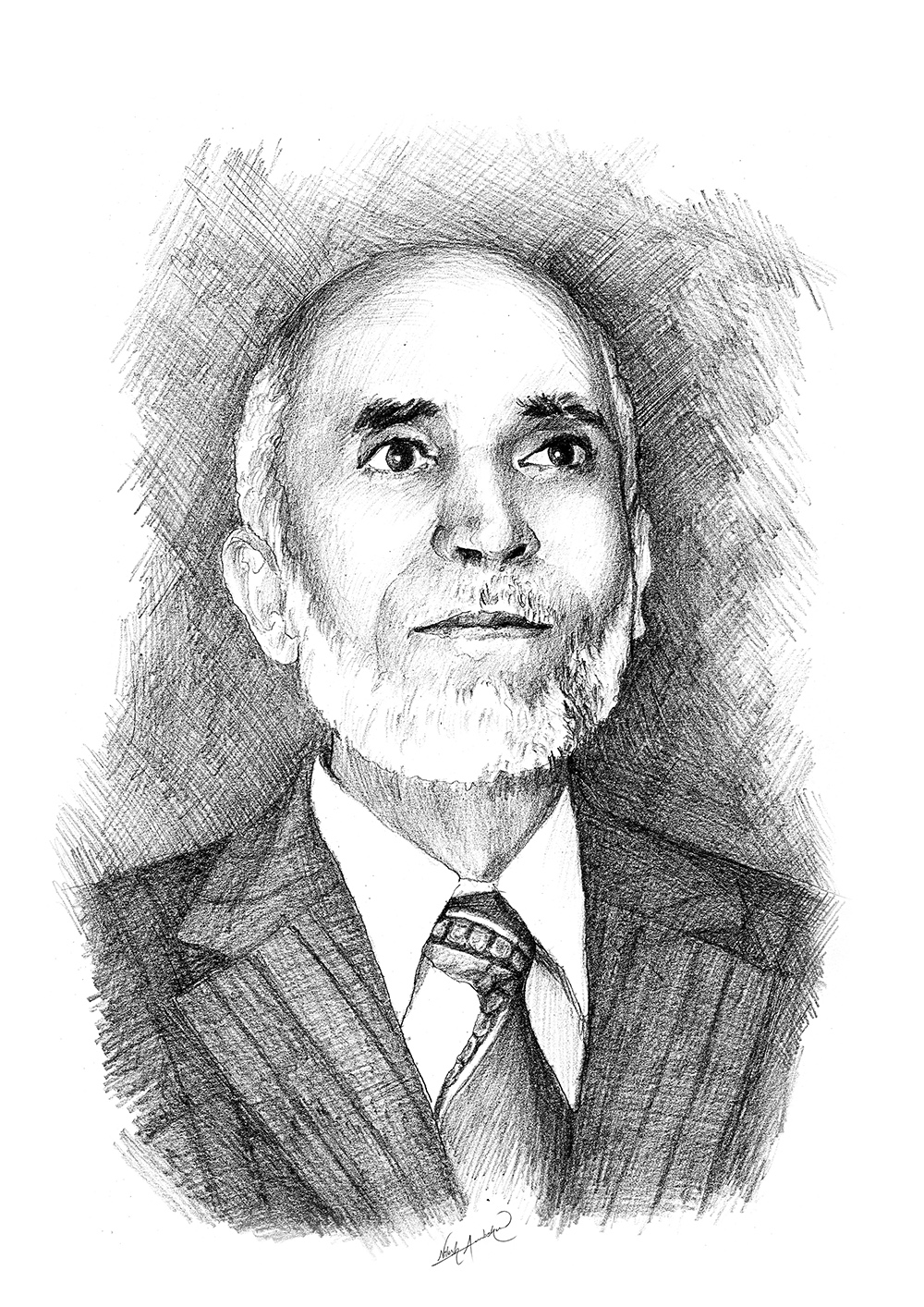
1985 -مصطفي محمد حلمي سليمان-

Doctor Mustafa Muhammad Hilmi Suleiman


Mustafa Hilmi obtained his bachelor’s degree in 1960 and a Ph.D. degree in 1971 from the Department of Philosophy and Social Studies at Alexandria University. After graduation, he was recruited by the Department of Islamic Philosophy at Dar Al-Ulum College in Cairo University, where he was a professor of Islamic Philosophy and Theology for several decades. He was also seconded for some years to teach at the Department of Islamic Studies in the College of Education at King Saud University in Riyadh.

Throughout his career, Professor Hilmi has been rigorously examining important aspects of the Islamic doctrine and thought, such as the Islamic system of governance, Sufism, and different perspectives of fundamentalism and so-called radicalism in Islam. His work, which was published in about 15 books and editions, and several articles and seminar papers, is characterized by its depth, clarity and thorough documentation. Some of his best-known books are Fundamentalism between Islamic Faith and Western Thought, Ibn Taimiyyah and Sufism, Sufism and Islamic Fundamentalism in Modern Times, the Principles of Fundamentalism in Islamic Thought, The Concept of Ethics between Philosophers and Islamic Scholars, and The Caliphate in Islam. One of his best editions (jointly with Professor Abdel Moniem) is: Ghiyath Al-Umam Fi Iltiyath Al-Zulam by Dhia Ul-Din Al-Juwayni, a renowned scholar of the Sunni Asharite school theological thought in the 5th Hijra Century (11th Century G.).


This biography was written in the year the prize was awarded.
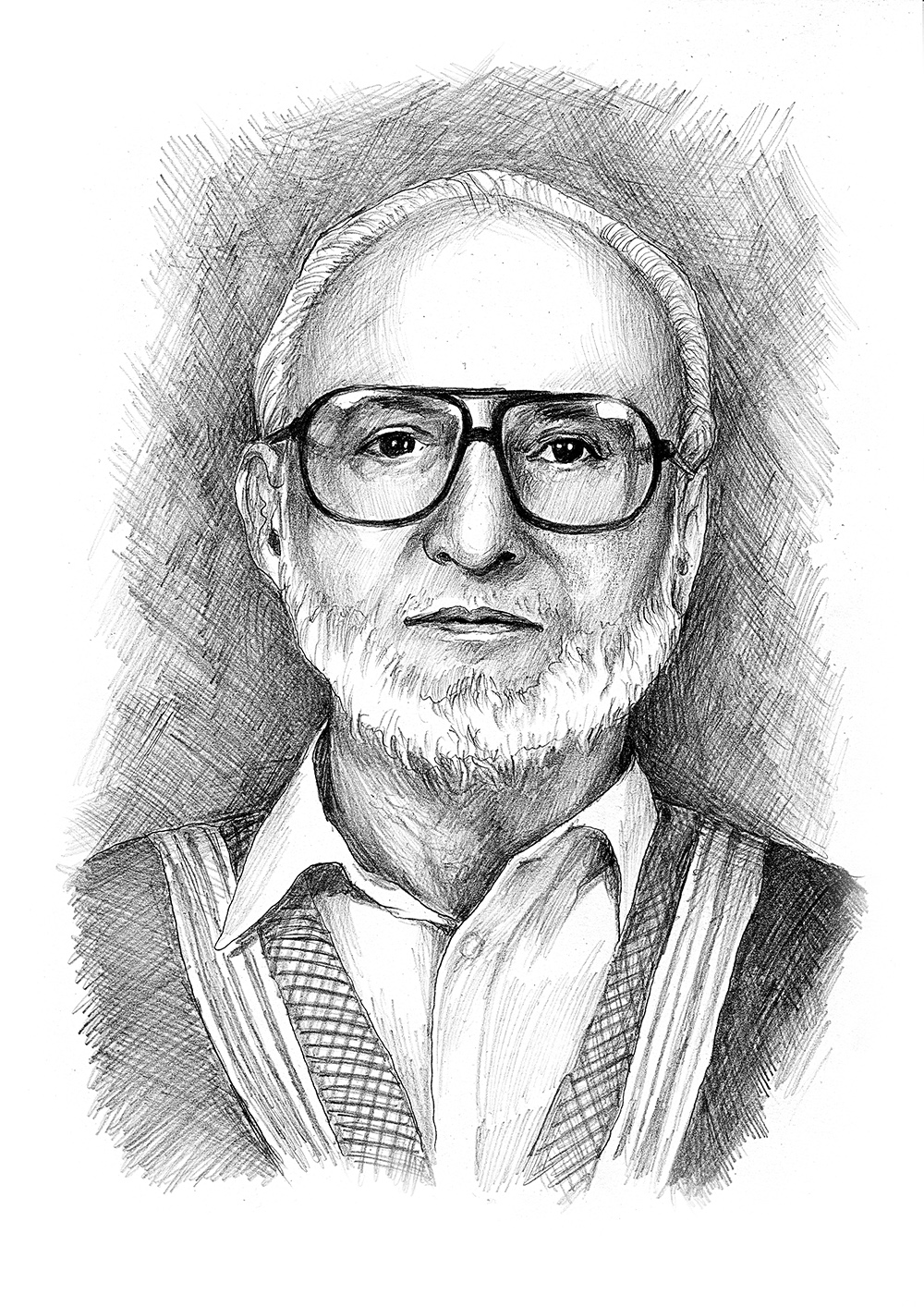
1984 -مصطفي أحمد الزرقاء-

Shaikh Mustafa Al Zarka’a

Mustafa Al-Zarka’a received a formal education, alongside private tutelage in Islamic Sharia and Fiqh under prominent Syrian religious scholars, including his father. He obtained two high school certificates, one in mathematics and philosophy, and the other in Arts, and attained first place in both, countrywide. Thereafter, he received a bachelor’s of Law and a bachelor’s of Arts degrees at Damascus University, with distinction in both, and a Diploma in Islamic Sharia from Fuad Al-Awal University in Egypt.

As a youth, Al-Zarka’a taught in his father’s place at local mosques and schools, then practiced law for 10 years in Aleppo, before joining Damascus University where he taught civil law at the College of Law, Sharia law at the College of Sharia and Arabic language at the College of Arts for over 20 years. He also held several other important positions including: a member of the Syrian parliament, a Minister of Justice and Endowment in Syria, a Chairman of the Fiqh Encyclopedia project in the College of Sharia in Damascus, an advisor to the Fiqh Encyclopedia in Kuwait, a professor at Sharia College in Amman and the Institute of Arabic studies in Cairo, and a member of the Islamic Fiqh Academy of the Organization of the Islamic Conference in Makkah. He also assisted in developing family laws in Syria and Sharia curricula in many Arab universities.

Shaikh Al-Zarka’a was one of the foremost scholars of Islamic jurisprudence and comparative law in the Islamic world. He authored 12 seminal books as well as numerous articles dealing with both general and specific issues of Islamic jurisprudence, such as Laws of Endowments, Insurance Contracts, Trading, and Bartering etc. He also published a series of comparative studies of Islamic versus civil laws. His ground-breaking book Madakhil Ila Nazariy’yat Al-Iltizam Fi Al-Fiqh Al-Islami (Introduction to the Theory of Liability in Islamic Law) is one of the most important references on this subject in modern times.

This biography was written in the year the prize was awarded.
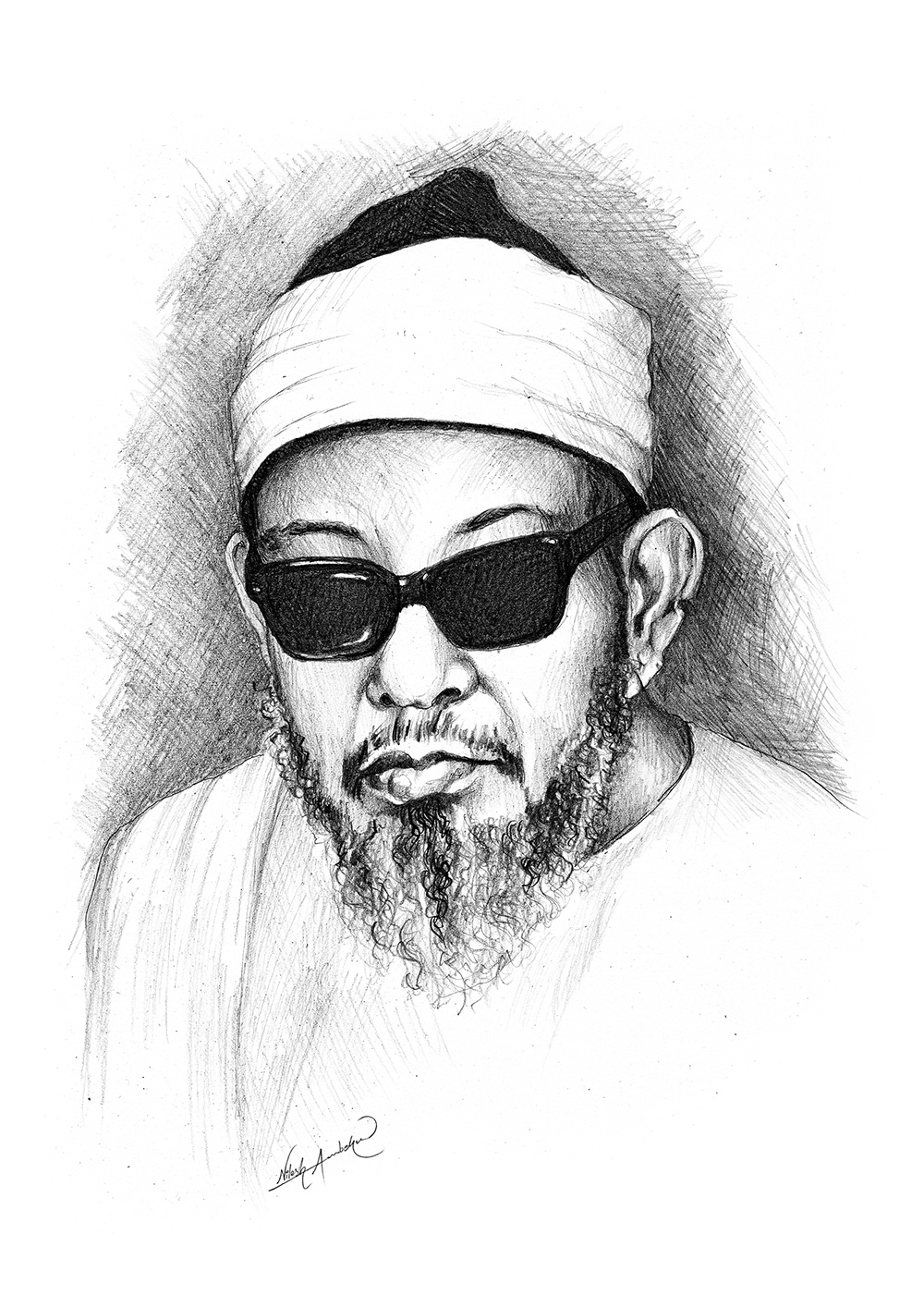
1983 -محمد عبدالخالق عظيمة-

Professsor Mohammad Odaimah


After memorizing the Holy Qur’an and completing primary school education, Mohammad Odaimah joined Al-Azhar Institute in Tanta, graduating in 1930, then attended Al-Azhar College of Arabic Language in Cairo, graduating in 1934, and continued his higher studies obtaining a Certificate of Specialization (equivalent to M.A.) in 1940, and the High Aalimiyya Certificate (equivalent to Ph.D.) in 1943 from Al-Azhar.

In 1947, Professor Odaimah was seconded to teach in Makkah and then transferred to Jaghbub Oasis in Libya until 1969. In 1972, he was appointed a Professor of Quranic Studies at Imam Mohammed Bin Saud University in Riyadh, Saudi Arabia, where he remained for the rest of his life. It was during his time in Makkah that he started working on his groundbreaking text Linguistic Style of the Quran. This mammoth book, consisting 11-volumes each comprising at least 600 pages, took 35 years to complete. It is a highly authoritative work and one of the greatest books ever written on the linguistic treasures and grammatical structure of the Holy Quran. It has benefited countless numbers of students and scholars in this field.

Professor Odaimah was awarded the First Class Medal of Arts and Sciences by the Arab Republic of Egypt.

This biography was written in the year the prize was awarded.
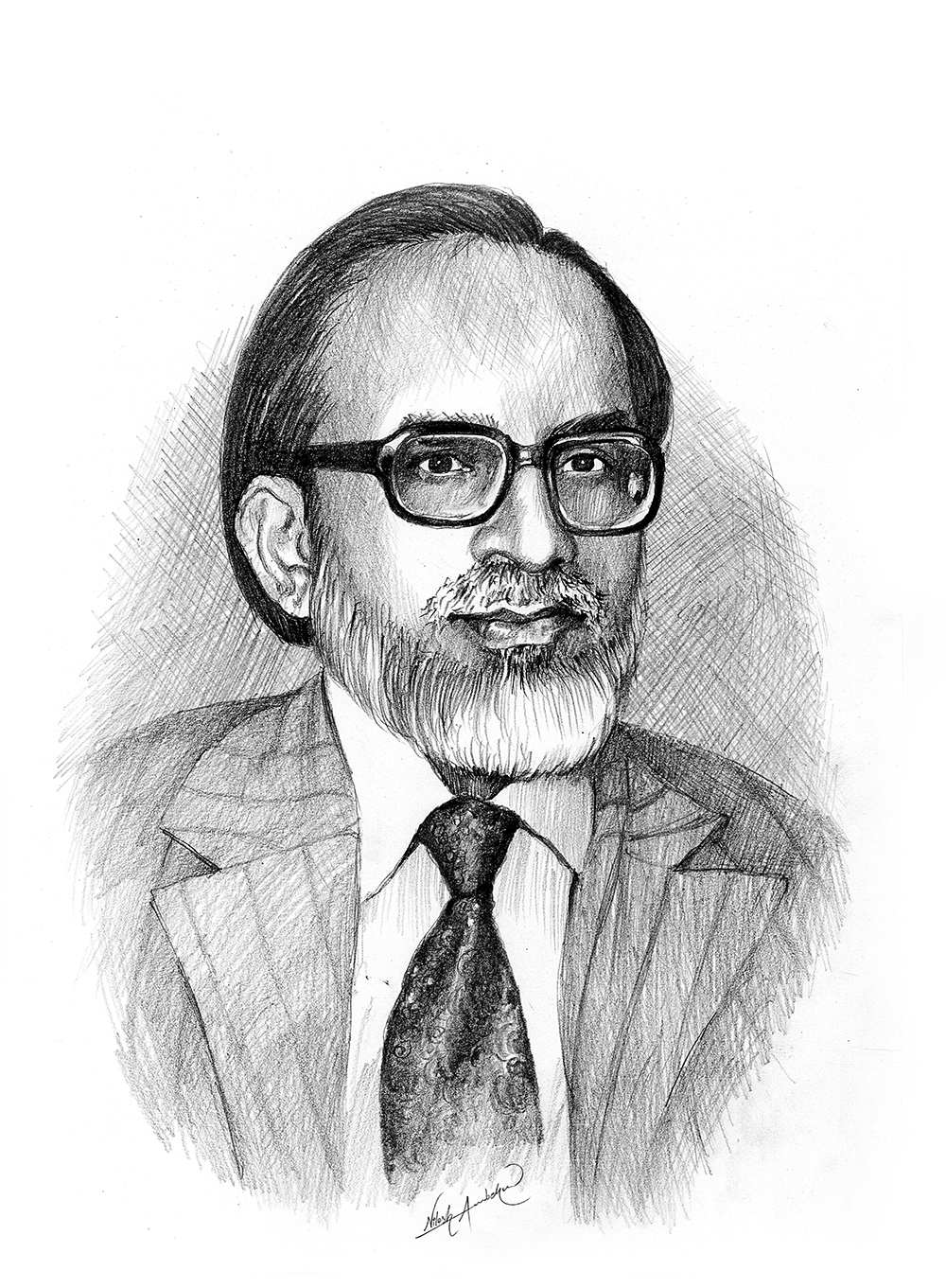
1982 --محمد نجاة الله صديقي-

Professor Mohammad Nejatullah Siddiqi

Mohammad Siddiqi was educated at Aligarh Muslim University (M.A., Ph.D.). His academic career extended over 45 years, during which he served as a Professor of Islamic Studies at Aligarh University, then joined King Abdulaziz University in Jeddah (Saudi Arabia) as a Professor of Economics for 22 years (1978-2000), thereafter taking short-term fellowships and Visiting Professorships in the U.S.A., Saudi Arabia, and Malaysia.

Professor Siddiqi’s dual qualification in economics and Islamic studies enabled him to contribute significantly to the development of modern Islamic economic thought. He has authored 14 books in English, 13 books in Urdu, and 7 books in Arabic, in addition to numerous research articles and seminar papers. Some of his books, originally written in English, were translated into Persian, Turkish, Malaysian, Hindi, and Indonesian languages. Of particular importance are his books Banking Without Interest, The Theory of Ownership in Islam, Role of the State in the Economy: An Islamic Perspective, Dialogue in Islamic Economics and Modern Writings in Islamic Economics: Selected Essays. These and other works reflect Siddiqui’s vast knowledge and originality of thought that place him among leading contemporary scholars of Islamic economics.

This biography was written in the year the prize was awarded.
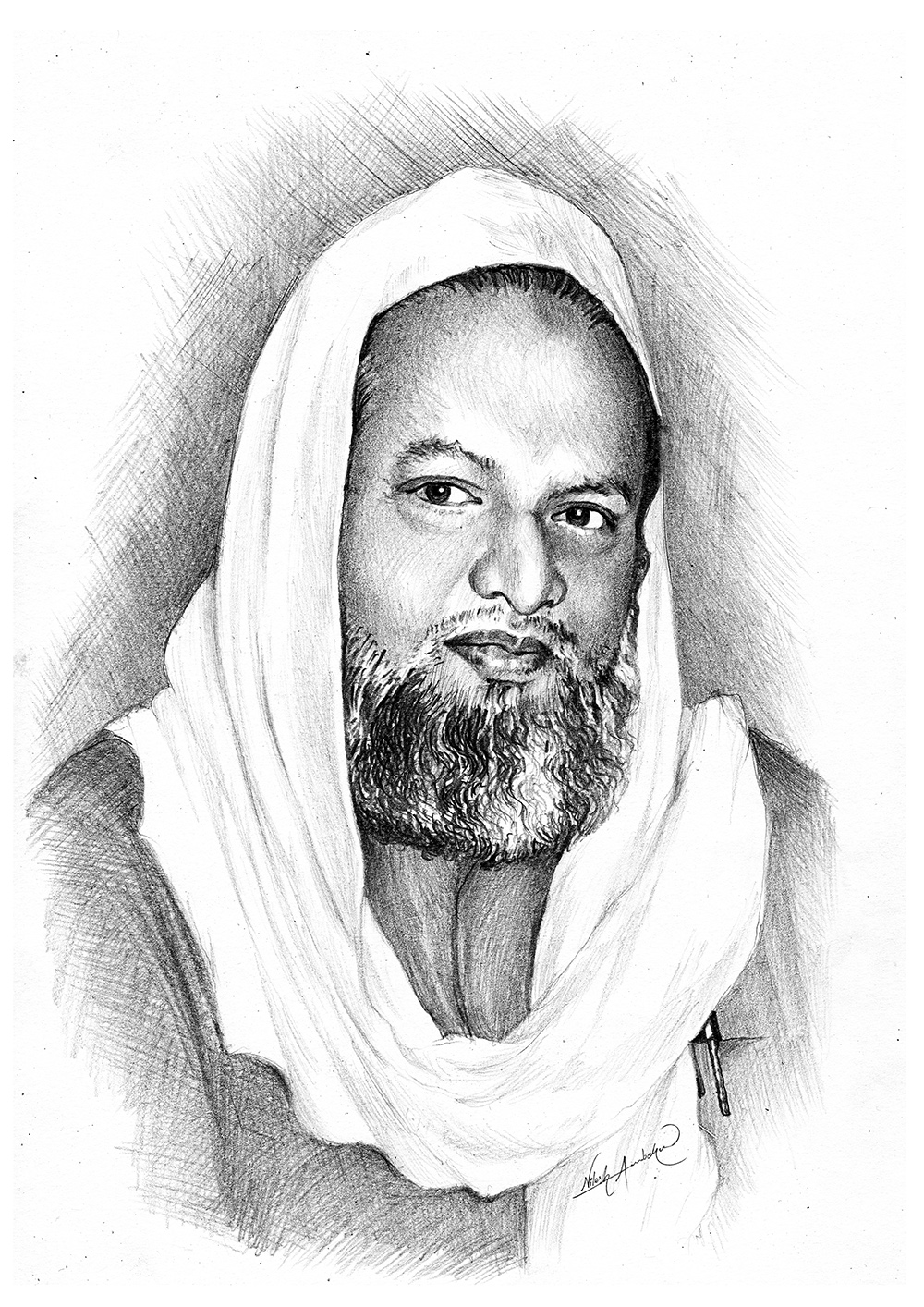
1980 -محمد مصطفي الاعظمي--

Professor Mohamad Mustafa Al-A’Azami


Mohammad Al-A’zami was educated at Dar Al-Ulum College in Deoband (India) and Al-Azhar University in Cairo; he obtained his Ph.D. from Cambridge University (UK). Al-A’zami started his career as a teacher of Arabic for non-Arabic speakers and a Curator of the National Public Library in Qatar. After receiving his Ph.D., he moved to Saudi Arabia, teaching first at the Sharia College in Makkah, then at King Saud University (College of Education) in Riyadh. Professor Al-A’zami was one of the world’s most accomplished scholars of Hadith.

Professor Al-A’zami authored numerous keynote books, editions, book chapters and scholarly articles in Arabic and English. One of his books, Studies in Early Hadith Literature, is a classic; originally written in English and then translated into other languages and has been used as a teaching text in many universities worldwide. Al-A’zami’s list of major books includes: Kitab Al-Nabi, Manhaj Al-Naqd ind Aal-Muhaddithĩn, Hadĩth Methodology and Literature, and Dirasat fi Al-Hadith Al-Nabawi wa Tarikh Tadwinih. His critical editing include: Sunan Sahih Ibn Khuzaimah and Al-ilal of Ibn Al-Madini. Al-A’zami had also discovered and reviewed authentic ancient manuscripts of Hadith.

This biography was written in the year the prize was awarded.
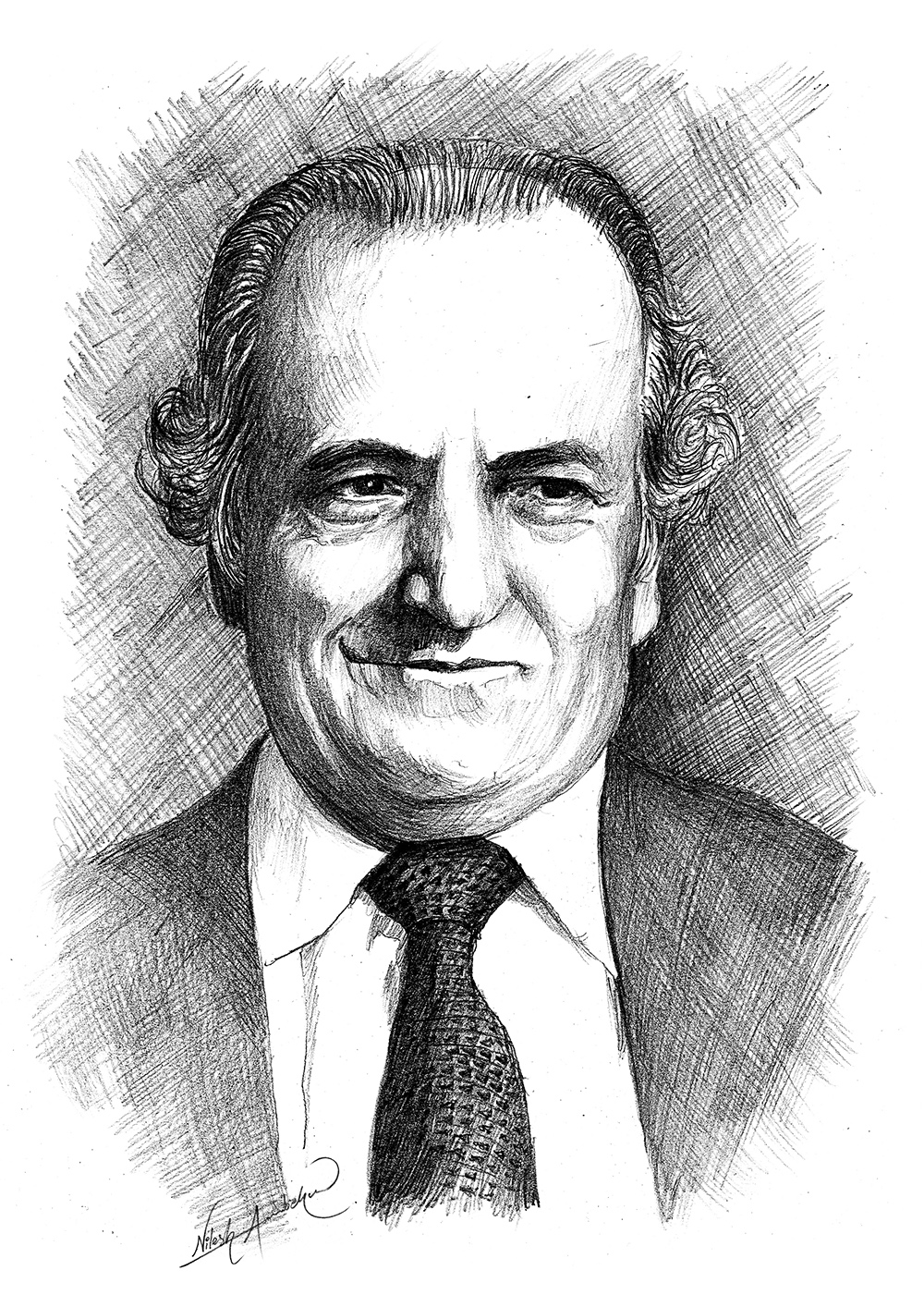
1979 -فؤاد سزكين-

Professor Fuat Sezgin


Fuat Sezgin obtained his M.A. in Oriental Studies and Ph.D. in Islamic Studies and Philosophy at Istanbul University, where he also studied and commanded Arabic. He became a Professor of Islamic Studies at the Institute of Islamic Studies in Istanbul, before moving to Germany in 1960. In 1965, he was appointed as a Professor of Islamic Natural Sciences at the University of Frankfurt. His research focused on Islam’s Golden Age of Science. Professor Fuat Sezgin was a world-renowned authority on the history of Islamic science.

Professor Sezgin made prodigious contributions to the study of Islamic history and civilization. One of his outstanding achievements is The History of Arabic and Islamic Heritage, a mammoth, 13-volume text that projects the role of Muslims in the advancement of human civilization in virtually all aspects of knowledge. He spent 40 years collecting material for the book, which is  recognized as the finest and most thoroughly documented work of its kind.

Over a period of 30 years, he compiled more than 400,000 ancient manuscripts on Islamic science, which he located in Europe, Africa, India, Turkey, Russia, and the Middle East. Sezgin was the first to fabricate replicas of instruments and tools invented by ancient Islamic scientists based on information and drawings in ancient manuscripts.

He was a member of the Turkish Academy of Sciences, the Royal Moroccan Academy, and the Arabic Language Academies of Cairo, Damascus, and Baghdad.

This biography was written in the year the prize was awarded.