
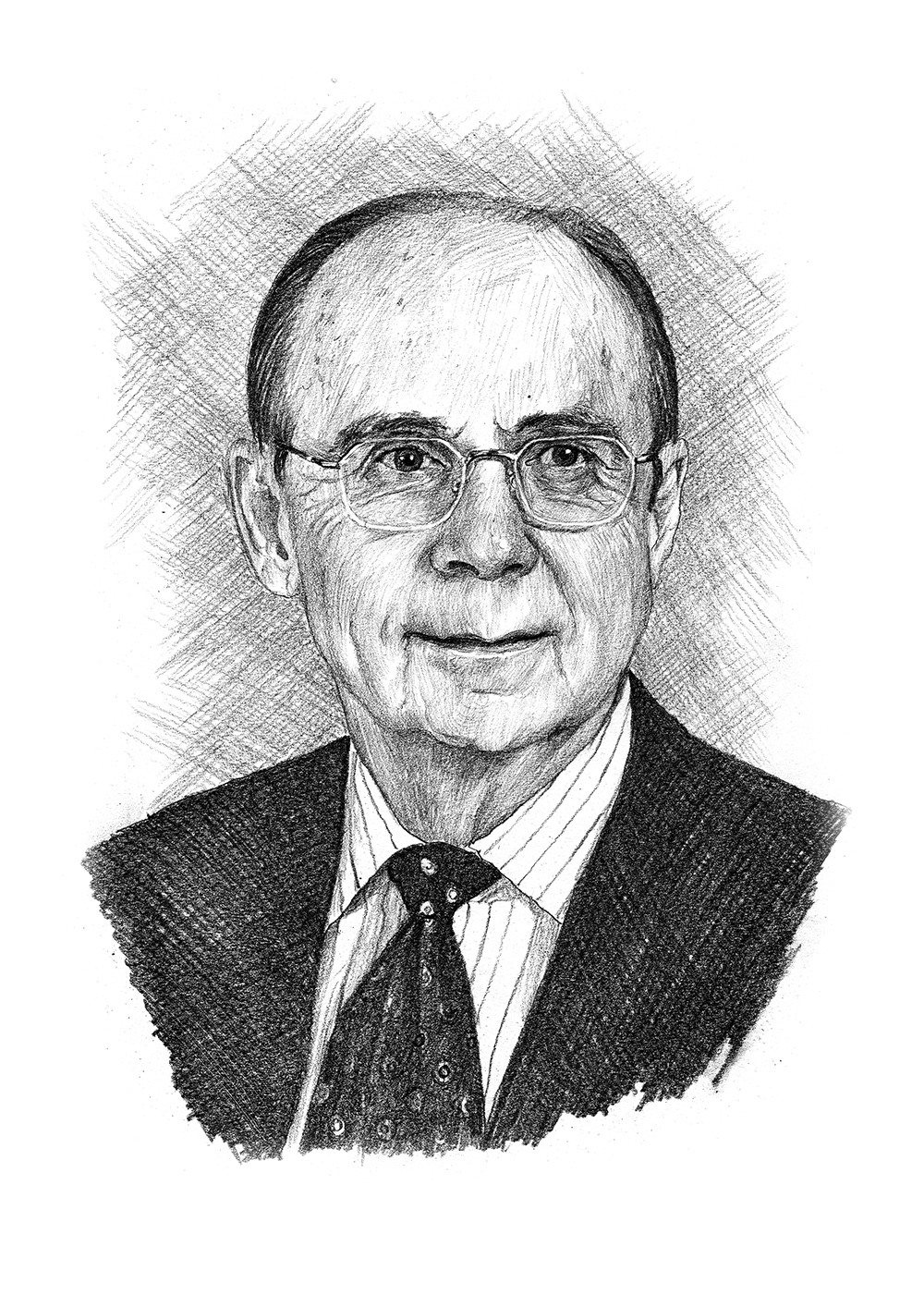
2007 -Prof. Patrick C. Walsh-

Professor Patrick C. Walsh


Patrick Walsh obtained both his B.A. and M.D. degrees from Case Western Reserve University in Ohio in 1960 and 1964, respectively, and completed residencies in adult and pediatric surgery in Boston and in Urology in Los Angeles. He spent one year with Professor Jean Wilson at the University of Texas Southwestern Medical School in Dallas, where the two were the first to describe the 5a-reductase enzyme deficiency, the first to develop a technique for the experimental induction of benign prostatic hyperplasia (BPH), and the first to demonstrate the effect of reversible androgen deprivation on BPH. In 1974, he moved to Johns Hopkins University and Hospital in Maryland, where he became the David Hall McConnell Professor and the Director of Urology at the James Buchanan Brady Urological Institute for 30 years. He is currently a Distinguished Service Professor of Urology at Johns Hopkins University.

Professor Walsh is recognized worldwide as the inventor of nerve sparing radical prostatectomy for the treatment of prostate cancer. His surgical technique has substantially improved the potency and continence of prostate cancer patients, enhanced their quality of life, and significantly reduced the risks of post-operative mortality and progression to metastasis. His surgery became one of the most widely used strategies for treating organ confined prostate cancer. Walsh created a two-hour DVD that provides a detailed description of his technique and distributed it free to 50,000 urologists worldwide. He also made other significant contributions towards better understanding of hereditary aspects, pathogenesis, and genetic susceptibility to prostate cancer; he also showed the value of serial prostate specific antigen measurement as a means of improving the diagnosis of prostate cancer and predicting its outcome.

Professor Walsh authored and co-authored more than 430 papers, 3 books and 8 video presentations. He is also the second most cited author in the field of prostate cancer. His achievements were recognized by more than 20 prestigious prizes and medals, a long list of lectureships, visiting professorships, editorships, and fellowships of prestigious professional associations and societies such as the Institute of Medicine of the National Academy of Sciences. He is the President of the American Association of Genitourinary Surgeons and the Clinical Society of Genitourinary Surgeons, and an Honorary Fellow of the Royal College of Surgeons of England and Ireland.

For 25 years, he was the Chief Editor of the Campbell’s Textbook of Urology; which was renamed Campbell-Walsh Urology in his honor. He is presently on the editorial board of the New England Journal of Medicine. Along with Janet Worthington, he authored two of the best-selling books on prostate cancer for general readers: The Prostate: A Guide for Men and the Women Who Love Them published in 1995 and 1997, and Dr. Patrick Walsh’s Guide for Surviving Prostate Cancer published in 2001. In 2007, he was selected with two others for the “Top Physician of the Year” award. In the same year, a group of his former patients established The Patrick C. Walsh Prostate Cancer Research Fund in his honor. Despite his numerous professional responsibilities, Professor Walsh manages to dedicate time to practice his hobbies of sailing, swimming and cycling.

This biography was written in the year the prize was awarded.
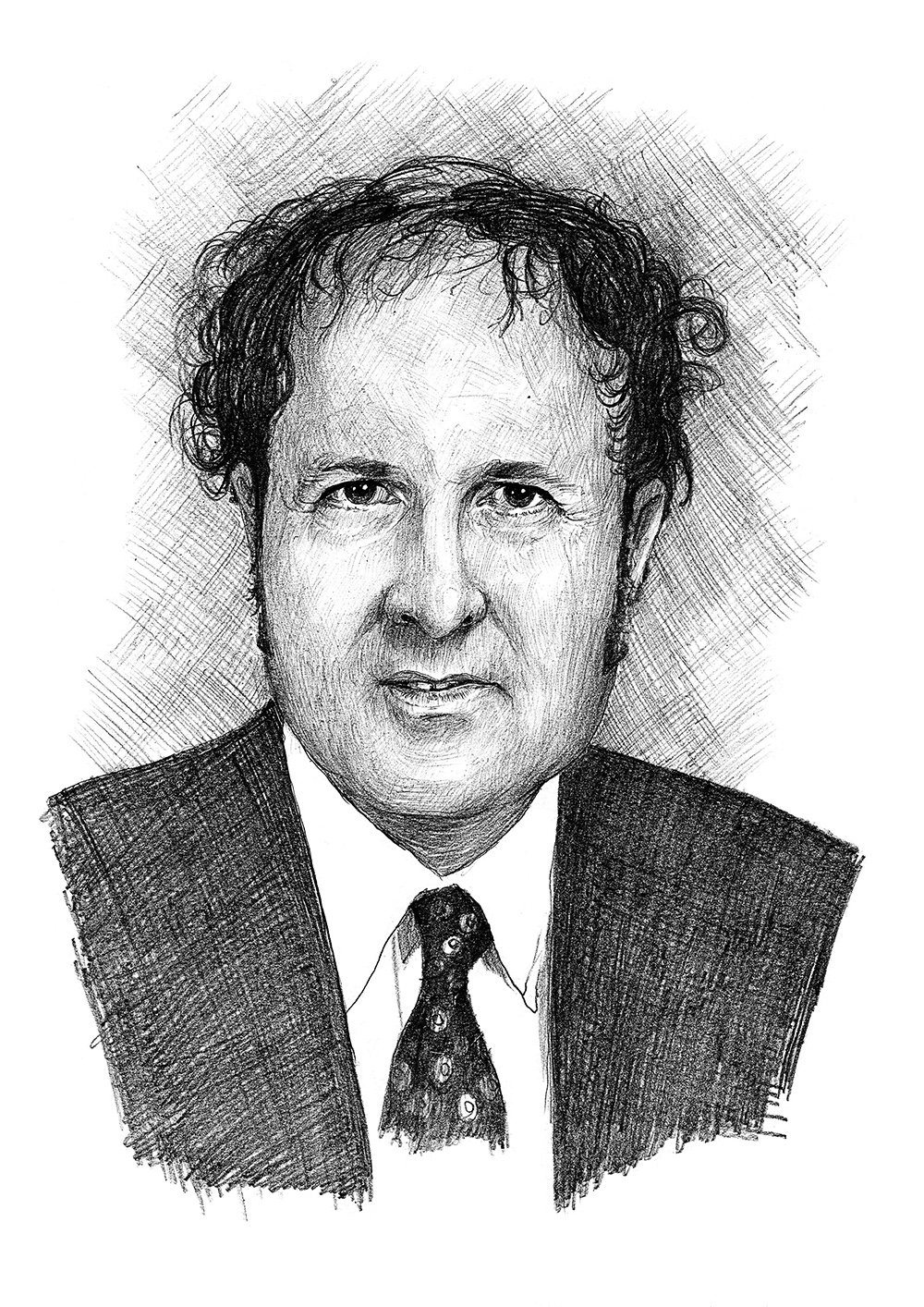
1995 -Prof. Sir Gregory P. Winter-

Professor Sir Gregory P. Winter


Gregory Winter attended Trinity College in Cambridge and graduated in 1973. He obtained his Ph.D. in 1976, and completed a postdoctoral fellowship at the Imperial College in London, and a second postdoctoral fellowship at the Institute of genetics at Cambridge University. His Ph.D. and postdoctoral research involved protein sequencing and nucleic acid sequencing. He is joint Head of the Division of Protein and Nucleic Acids Chemistry (PNAC) of the Medical Research Council Laboratory of Molecular Biology (LMB), Deputy Director of the MRC center for Protein Engineering (CPE), as well as founder and Research Director of Cambridge Antibody Technology (CAT).

Sir Gregory’s scientific career has almost entirely been based at LMB in Cambridge. He is one of the leading authorities in protein engineering. In the early 1980’s, he worked on engineering the enzyme tyrosyl tRNA synthetase (in collaboration with A, Fersht), and subsequently on the engineering of antibodies. In particular, he developed technologies for making humanized antibodies as well as making human antibodies in bacteria. It was in CAT where the first and one of the most successful fully human antibody drugs, HUMIRA, an antibody to TNF alpha, was then developed and marketed by Abbott Laboratories, with sales of over $1 billion annually. Sir Gregory’s research continues to be focused on protein and genetic engineering. All commercially manufactured antibodies that are currently used in molecular targeted therapy are based on Winter’s technology.

Sir Gregory Winter authored numerous scientific publications and patents, especially with regards to humanized antibody technology and the use of antibody repertories and phage display technologies for making human antibodies in bacteria. His outstanding contributions in these fields were recognized by several awards and honors.

He received many awards including: the Louis Jeantet Prize for Medicine in 1989, the Pfizer Academic Award in 1989, and the Milan Prize in 1990. He was also elected Fellow of the Royal Society in 1990 and Senior Fellow of Trinity College at Cambridge University in 1991. He is a member of the editorial board of several scientific journals including Protein Engineering, Structure, and Research in Microbiology. 

This biography was written in the year the prize was awarded.
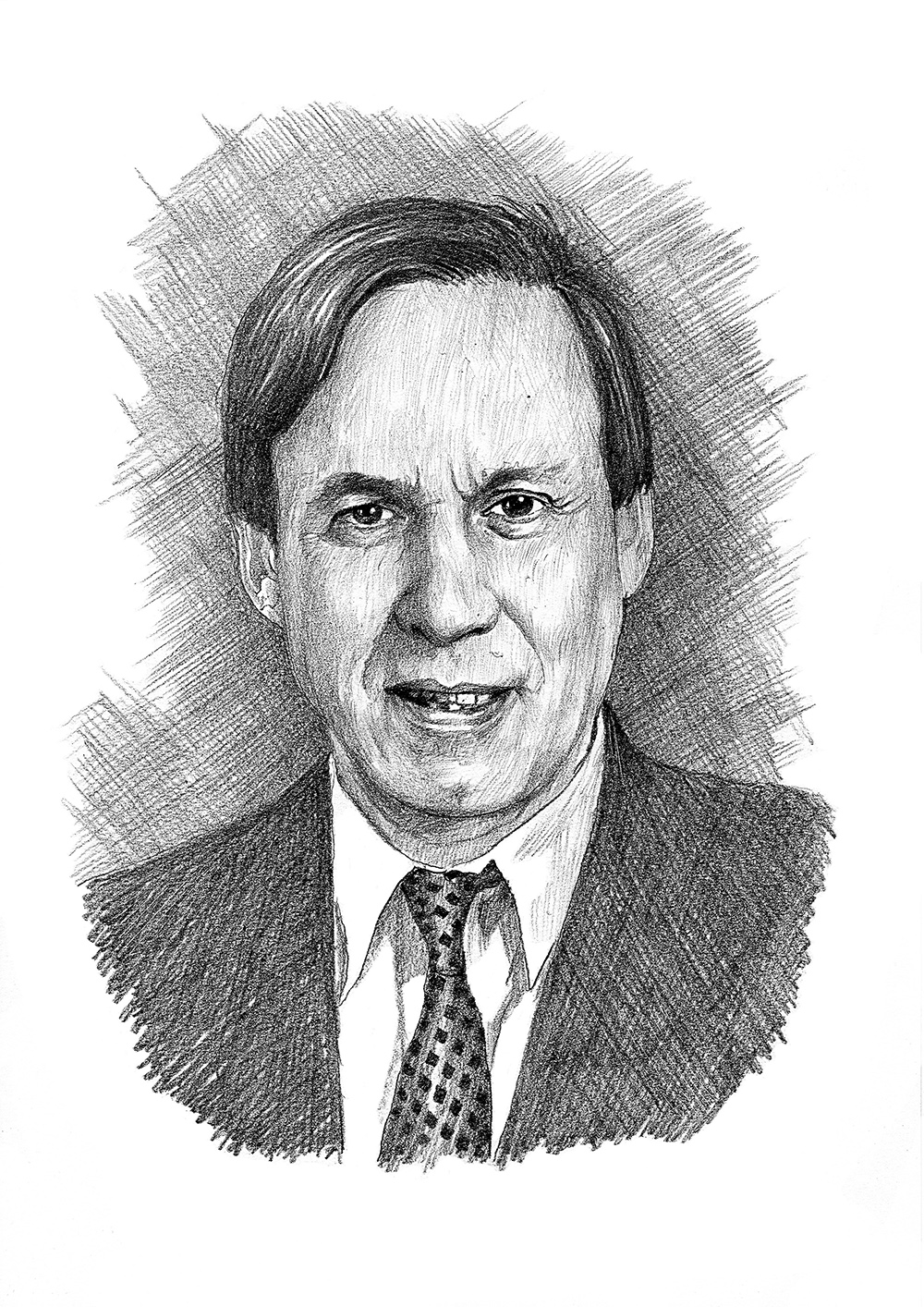
1994 -Prof. Robert Williamson-

Professor Robert Williamson


Robert Williamson obtained his B.Sc. in chemistry in 1959 and his M.Sc. (1960) and Ph.D. (1963) in biochemistry from the University College, London. He spent the following 13 years teaching at the University of Glasgow, where he studied the control of gene expression in mammalian chromatin, and led molecular genetics at the Scottish Cancer Research Institute. He also spent one year as a Senior Research Fellow at the Department of Embryology in Carnegie Institute in Washington. He was appointed Visiting Professor at Columbia University in New York, and at the University of Otago in New Zealand. In 1976, he was appointed Professor and Head of the Department of Molecular Genetics and Biochemistry at St. Mary’s Hospital Medical School in London. He is a Founding Member of the Human Genome Organization.

Professor Williamson is an international authority in the field of human molecular genetics and its applications in medicine. His discovery that alpha thalassemia was caused by a single gene deletion was the first demonstration of an inherited disease at the DNA level. This work was instrumental to subsequent discoveries and potential cure of hereditary disorders caused by single gene dysfunctions. It was followed by the cloning of the human globin genes by Williamson and his group, and thereafter by their establishment of the first DNA linkage for Duchenne muscular dystrophy, then that of Friedreich ataxia and other conditions. Williamson and his group were also the first to develop a probe for cystic fibrosis which could be employed for screening this disease on a community basis. This concept is now universally applied. They also demonstrated the existence of a gene mutation in the familial type of Alzheimer’s disease. Williamson also examined some polygenic diseases such as “early onset coronary heart disease” where a number of defined loci probably determine most of the pathology associated with this condition.

Professor Williamson’s outstanding contributions to the fields of molecular and medical genetics were published in hundreds of scientific papers and presented in a large number of invited and honorary lectures in major universities and research centers in Europe and the USA. He is an honorary member of Fellow of the Royal Colleges of Physicians of Edinburgh, Fellow of the Royal College of Pathology, and a member of the European Organization for Molecular Biology.

Professor Williamson received several other prizes, as well as an Honorary Doctorate Degree in Medicine from the University of Turku in Finland.

This biography was written in the year the prize was awarded.
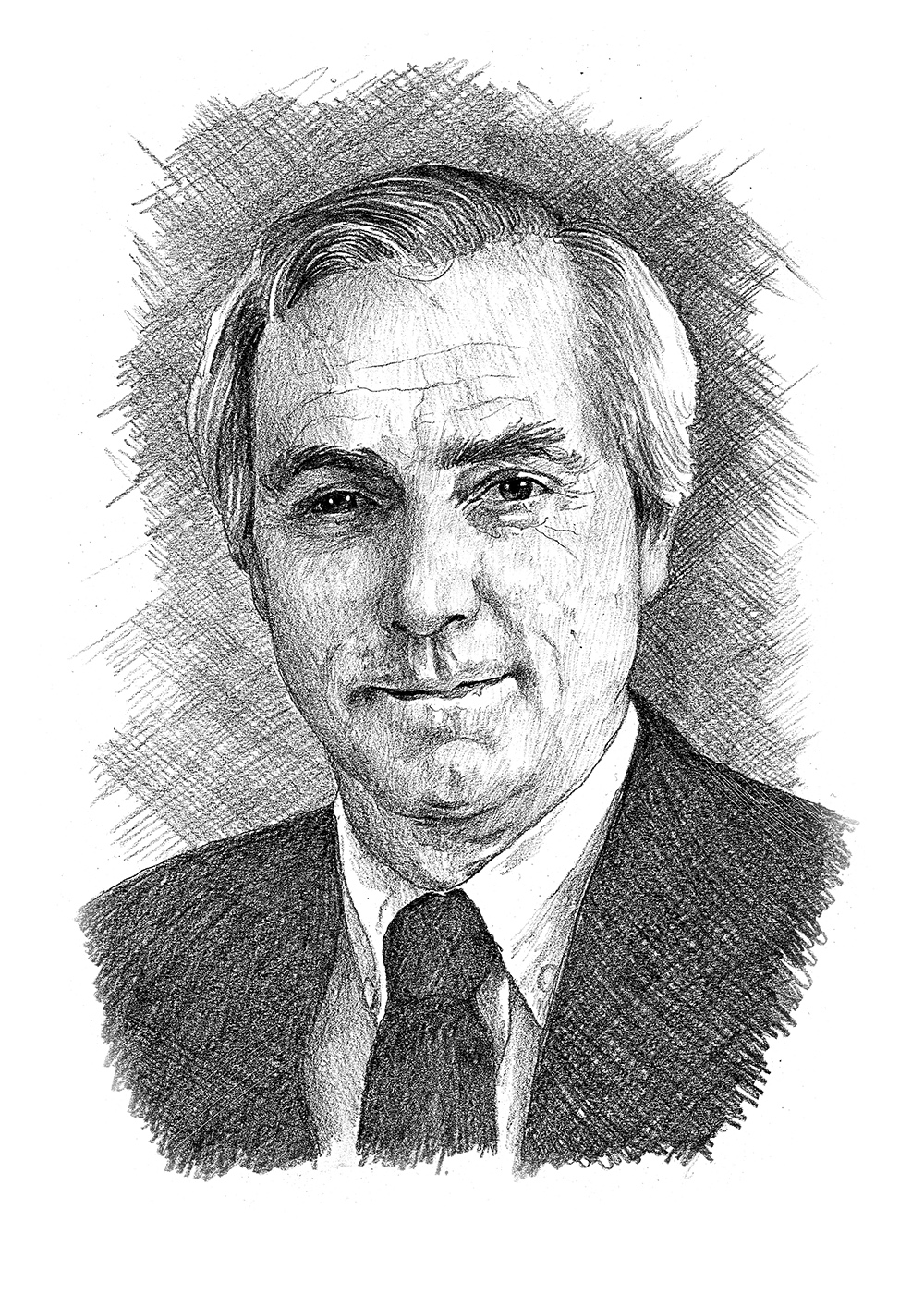
1994 -Prof. W. French Anderson-

Professor W. French Anderson


French Anderson obtained a B.A. from Harvard University in 1958, an M.A. from Cambridge University in 1960, and an M.D. from Harvard University Medical School in 1963. His academic and research career extended for more than 30 years during which he took several senior positions. He was a professor of biochemistry, consultant in research and Adjunct Professor in the Genetics Program at George Washington University (GWU). He was also Chairman of the Department of Medicine and Physiology at NIH laboratories in Bethesda, MD and Founder and Editor-in-Chief of Human Gene Therapy and member of the editorial boards of several medical and scientific journals. He is currently a Professor of Biochemistry and Pediatrics at the University of Southern California (USC) Keck School of Medicine and Director of the Gene Therapy Laboratories at USC, Los Angeles.

Anderson is a pioneer of gene therapy. He is the first to use this innovative method in an attempt to correct a human genetic disorder. In September 1990, he infused gene-corrected T-lymphocytes into a child with severe combined immunodeficiency (SCID), a rare genetic disorder caused by an adenosine deaminase-defective gene. That courageous step opened the door for numerous trials of gene therapy for different conditions, particularly cancer.

Professor Anderson was a copious author and recipient of many awards for contributions in the field of medical genetics. He was also awarded an Honorary Doctorate Degree from the University of Oklahoma and a Fellowship of the American Association for the Advancement of Science. He is a member of several other prestigious societies, including the American Federation for Clinical Research, the American Society of Hematology, and the Association of American Physicians. Among the awards he received was the Mary Ann Liebert Biotherapeutics Prize, the Ralph R. Braund Prize in Cancer Research from the University of Tennessee, the Presidential Meritorious Rank Award, the Charles Shepard Science Prize, and the Murray Thein Prize.

This biography was written in the year the prize was awarded.
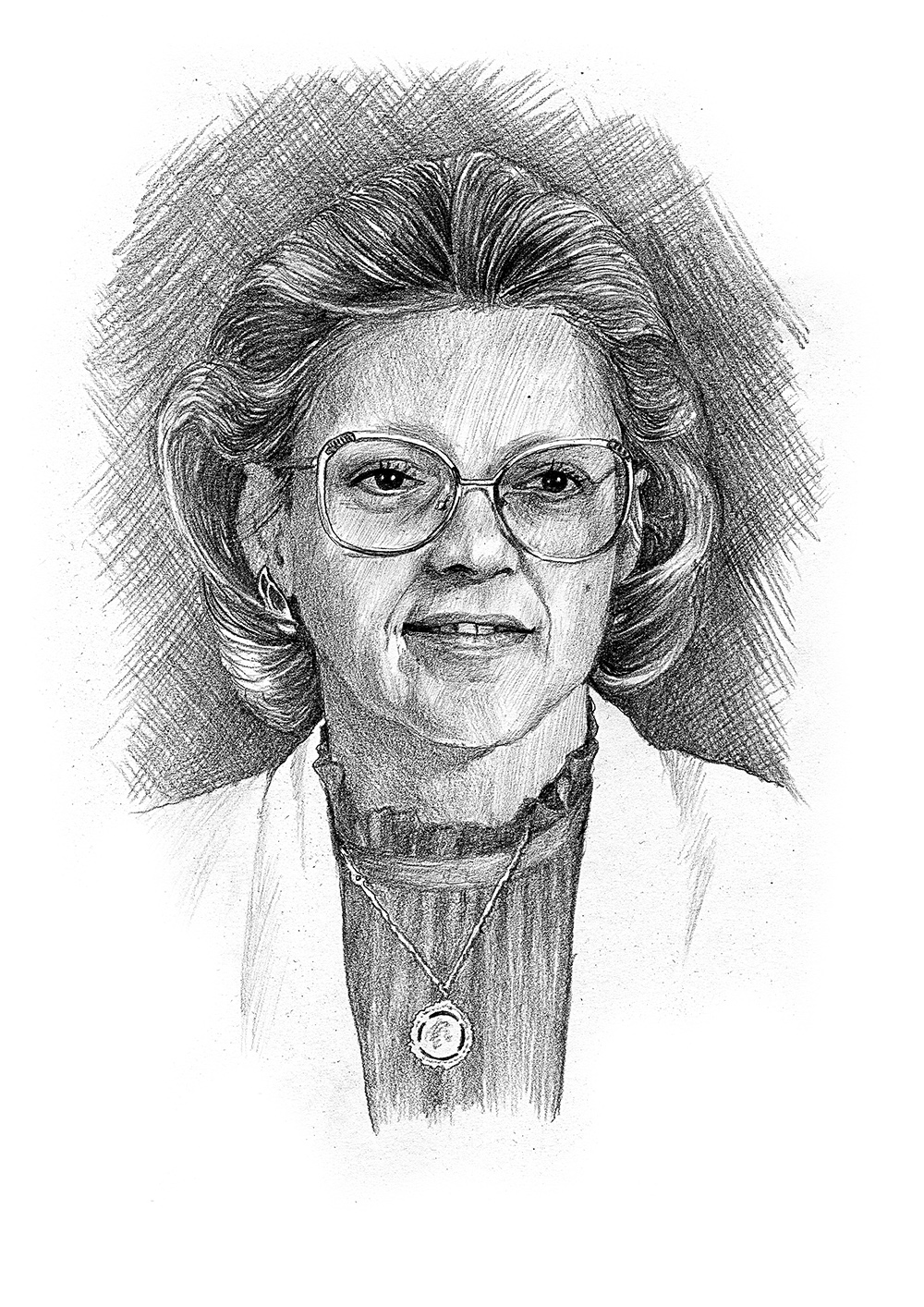
1993 -Prof. Francoise Barre-Sinoussi-

Professor Francoise Barre Sinoussi


Françoise Barré-Sinoussi obtained her doctorate degree from the University of Sciences in Paris in 1974, followed by post-doctoral training at the National Institutes of Health and the National Cancer Institute in Bethesda, Maryland, USA. She joined the Pasteur Institute in Paris in the early 1970s, where her attention quickly turned to a particular group of viruses known as the retroviruses. An outstanding leader in that field for many years, Senoussi is currently the Director of the Retrovirus Biology Unit at the Institut Pasteur. Her laboratory is involved, among other things, in studies on the impact of the host’s innate defenses in controlling HIV/AIDS, as well as mother to child transmission.

Professor Senoussi is most noted for her role in the initial identification of HIV-1, the virus which causes AIDS. Her work is highly cited in the scientific literature, and she is particularly recognized as the first author of the 1983 publication that reported the discovery of the retrovirus HIV, which was later renamed HIV-1, in an AIDS patient. This discovery did not only pave the way for the development of blood tests to screen out blood donors, but also led directly to rapid methods to diagnose HIV infected individuals, as well as methods to screen potential drug candidates for anti-HIV activity. Senoussi carried out fundamental research on the impact of the host’s innate defenses in controlling AIDS and on mother-to-child transmission.

Senoussi initiated – since the 1980s – collaborative research in developing countries, where she managed multidisciplinary networks that helped establish centers for training on the diagnosis and control of AIDS in several African and Asian countries such as Tunisia, Cambodia, and Vietnam. She has been constantly and deeply committed to establishing permanent links between basic research and clinical research with the aim of achieving concrete improvements in the areas of prevention, clinical care and treatment of AIDS. However, her scientific contributions are not limited to the discovery of the AIDS virus (HIV-1). Over the past 20 years, she also participated actively in studies of other retroviruses, while being at the forefront of HIV vaccine and prevention research.

Throughout her career, Professor Senoussi strived to bring together research, public health and teaching. She authored or co-authored more than 180 scientific publications. She has also constantly sought to share her knowledge, and has given numerous invited lectures, participated in over 250 international conferences and trained many young researchers. Senoussi also contributes actively to scientific societies and committees both at the Institut Pasteur and at other AIDS organizations, such as the National Agency for AIDS Research in France. She also served as consultant to the WHO and UNAIDS-HIV and is an elected member of the New York Academy of Science. She is also a member of the Virology Committee of the French Agency for AIDS Research (ANRS) and a member of the Medical Society of Paris’s Hospital.

Professor Senoussi’s outstanding contributions were recognized by more than 10 national and international prizes, in addition to other honors, including the Award of the French Academy of Medicine in 1988 and France’s Chevalier of the Order of Merit in 1990.

This biography was written in the year the prize was awarded.
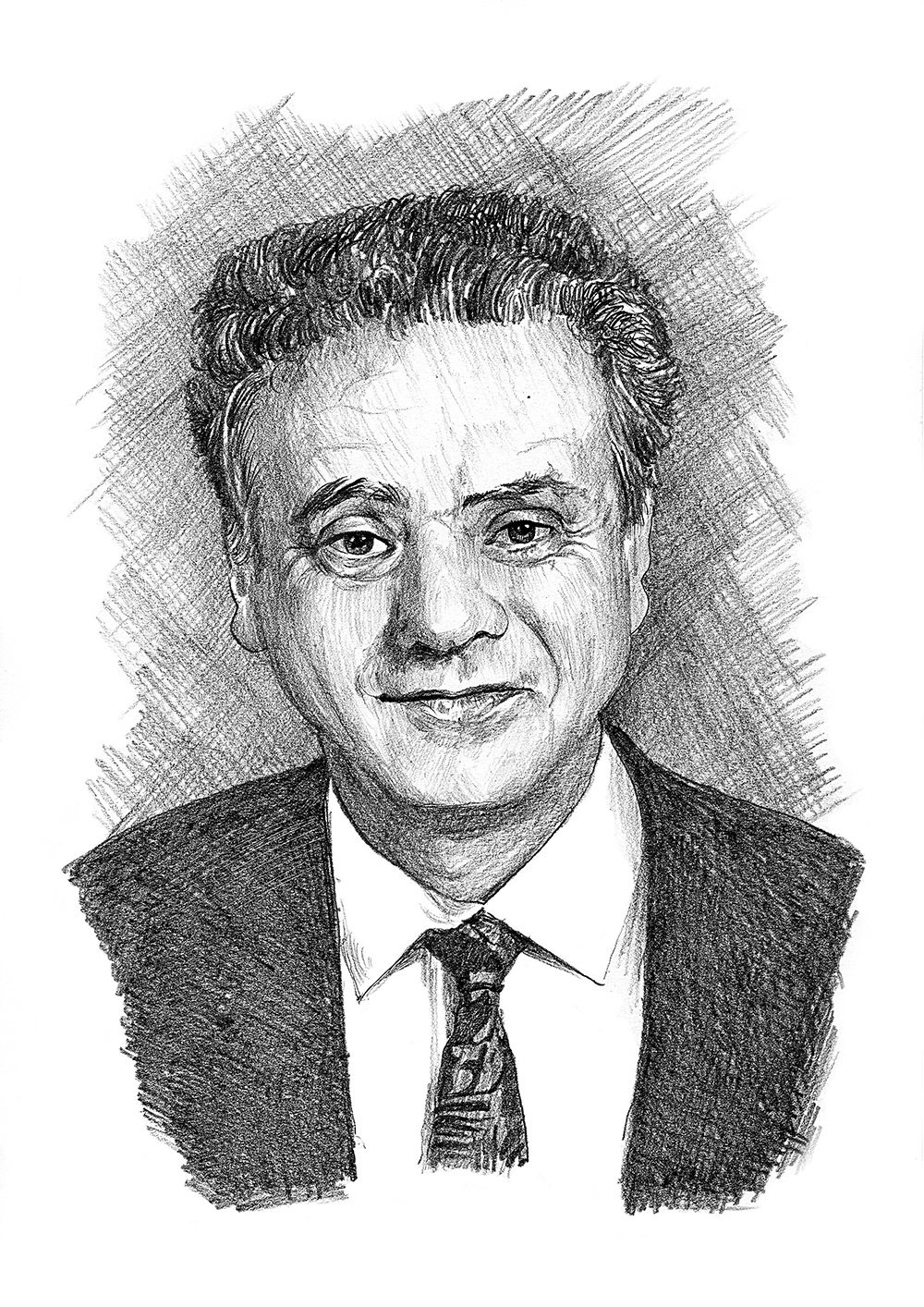
1993 -Prof. Jean-Claude Chermann-

Professor Jean-Claude Chermann


Jean-Claude Chermann obtained his doctoral degree from the College of Science at the University of Paris, followed by postdoctoral training in Switzerland, Sweden, and the United States. He taught for many years and was an Assistant Chief of Research at the Medical University in Western Paris. He spent 25 years at the Pasteur Institute, where he became Chief of the Departments of Viral Oncology and of Retroviruses. In 1988, he became the Research Director of the laboratory of Retroviruses and Associated Diseases of the Institut Nationale de la Santé et de la Recherche Médicale (INSERM) in Marseille. He is the Director of INSERM U322 on Retrovirus and Associated Diseases.

Professor Chermann carried out pioneering research on retroviruses and their mechanisms of transmission. He participated in landmark studies on acquired immunodeficiency syndrome (AIDS) in collaboration with Luc Montagnier and Françoise Barré-Senoussi. These three French scientists are noted for their groundbreaking success in isolating and characterizing the human retrovirus (HIV-1) responsible for AIDS in 1983. The following year, they described how that virus attached to certain white blood cells (CD4+ cells) normally involved in cellular immune responses to various pathogenic infections. Subsequently, they showed that HIV-1 progressively destroyed patients’ CD4+ cells, resulting in a weakened immunity against infections and malignancies. In 1986 the team described a second but less virulent retrovirus which was responsible for AIDS in West Africa. This retrovirus has come to be known as HIV 2. The discovery of HIV 1 and 2 has opened the way to the development of diagnostic methods for AIDS and its prodromal syndrome. 

Professor Chermann authored and co-authored more than 200 scientific papers. His scientific and medical contributions were recognized by several other awards, including the title of the Chevalier of the French Order of Merit, as well as election to a number of prestigious scientific and medical societies.

This biography was written in the year the prize was awarded.
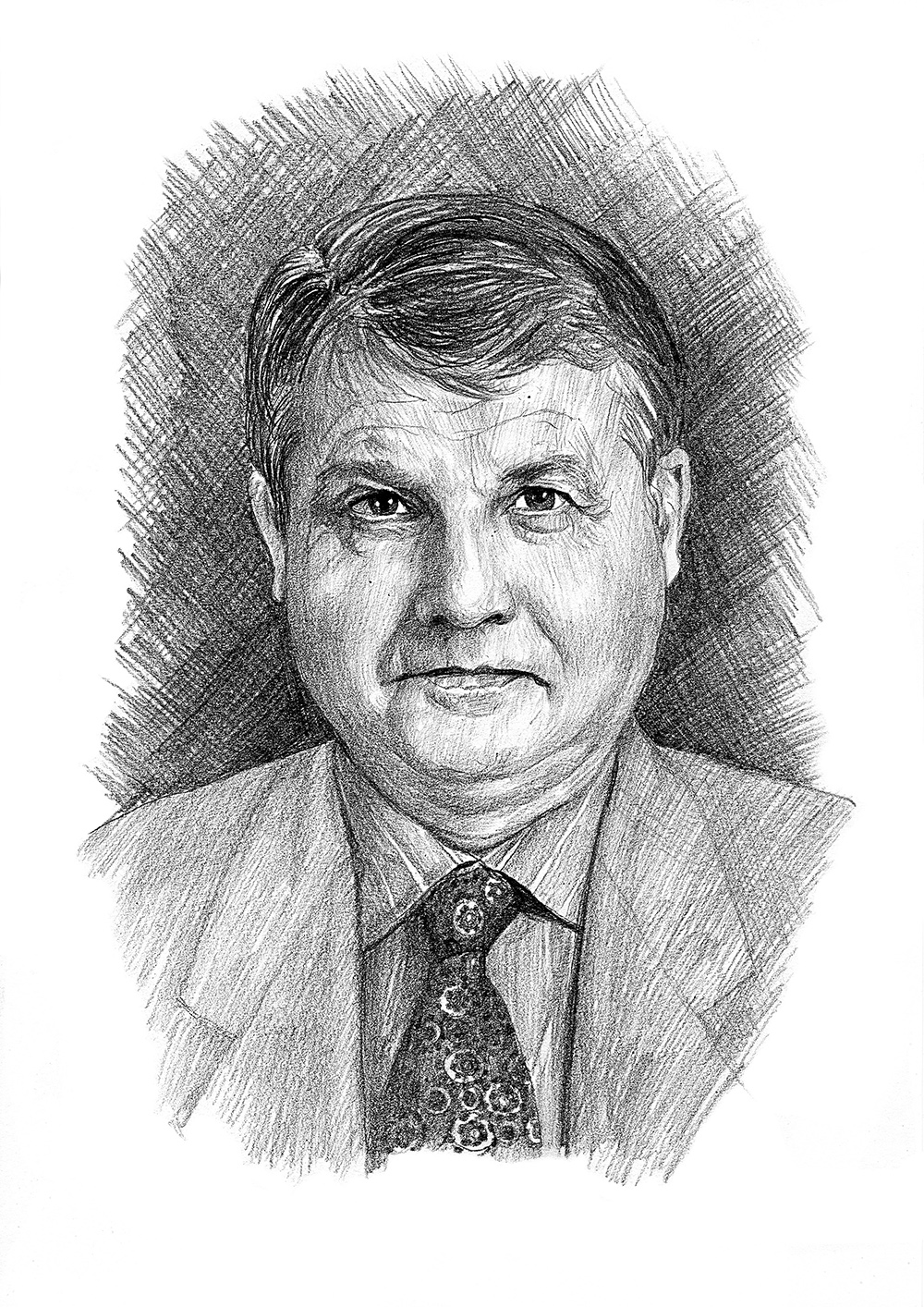
1993 -Prof. Luc Montagnier-

Professor Luc Montagnier


Luc Montagnier obtained his graduate diploma in natural sciences from Poitiers University in 1953 and a B.Sc. from the universities of Poitiers and Paris in 1955, respectively, and doctorate in Medicine from the University of Paris in 1960. He spent three and a half years in the United Kingdom training at the Medical Research Council at Carshalton. Between 1963 and 1964, he conducted research at the Institute of Virology in Glasgow, Scotland. From 1965 to 1972, Montagnier became laboratory director of the Institut de Radium (Institut Curie) at Orsay. Thereafter, he became the Research Director of the Center National de la Recherche Scientifique (CNRS) and Professor of Virology at the Pasteur Institute in 1985. 

Prior to the onset of the AIDS epidemic, Montagnier made several other landmark discoveries on the nature of viruses, and how they can alter the genetic information of host organisms; these findings contributed to the advancement of cancer research. His studies of interferon (a natural protein produced by the body to fight viruses) have also opened avenues for medical cures for viral diseases. However, Montagnier and his group are best known for their 1983 discovery of the human immunodeficiency virus (HIV), followed by the development of a test for detecting its presence in blood samples. Their discovery of the AIDS virus (then named Lymphadenopathy Associated Virus or LAV) in human T4 lymphocytes was met with a bitter dispute with Professor Robert Gallo of the Laboratory of Tumor Cell Biology at the National Cancer Institute, USA, who reported the identity of the virus in 1984 under the name Human T Lymphotropic Virus-III. Although the scientific community predominantly agreed that Montagnier and his group should be credited with the discovery, the dispute was resolved by determining that the viruses isolated by French and American scientists were of the same identity and origin, and therefore the two groups share the credit of discovering the AIDS virus. It was named Human Immunodeficiency Virus (HIV) type 1, to distinguish it from HIV type II which Montagnier and his co-workers discovered in West Africa in 1985. Montagnier and his team have since carried out seminal research on immunodeficiency viruses, such as their characterization, mechanism of action, diagnosis, and treatment. Their work was fundamental in the development of current AIDS medication. 

Professor Montagnier received more than 20 other major awards and honors, including the Chevalier de la Légion d’Honneur in 1984, the Lasker Award in 1986, and the Gairdner Award in 1987.

This biography was written in the year the prize was awarded.
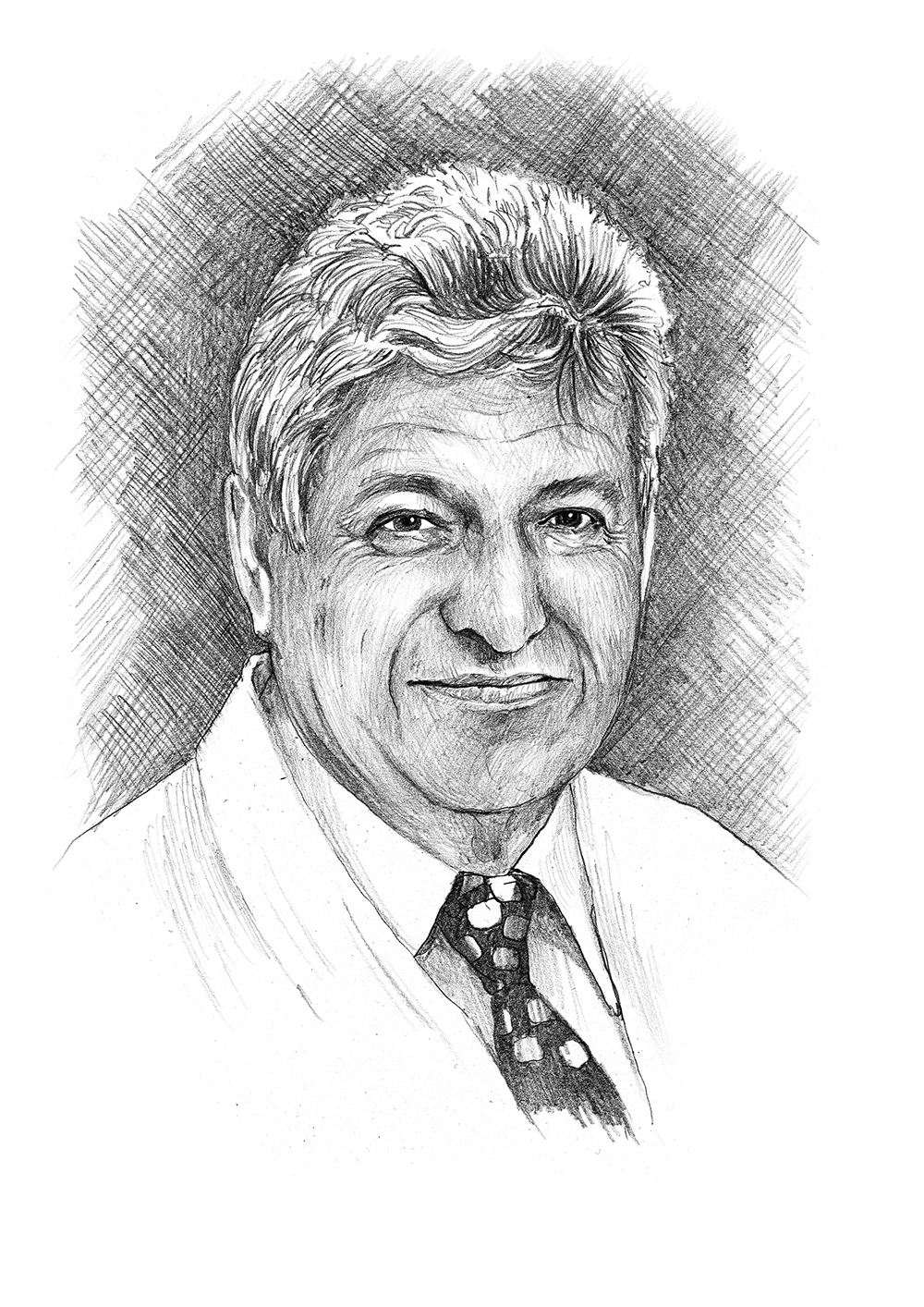
2010 -Professor Reinhold Ganz-

Professor Reinhold Ganz


Reinhold Ganz studied medicine in Kiel, Germany and Innsbruck, Austria between 1958-1964, and earned his M.D. from the University of Freiburg in 1964. He then completed his residencies in Germany and Switzerland. He joined the Department of Orthopedic Surgery at the University of Bern in the early 1970’s and became a Professor and the Chair of the Department from 1981 to 2004. He is currently a Professor Emeritus at the Department of Orthopedic Surgery at the University of Bern and Consultant for Joint Preserving Hip Surgery in Bern and the University of Torino, Italy.

Professor Ganz is one of the most accomplished orthopedics and hip surgeons in the world. He has influenced a whole generation of orthopedic surgeons through his research, surgical innovations, and teaching. He led the Department of Orthopedic Surgery at Bern University for nearly a quarter of a century during which he initiated and led studies into the hip conditions known to culminate in the development of osteoarthritis. He investigated the problem of hip dysplasia, performed pioneering research into the vascular supply of the femoral head, and devised a new surgical strategy – now known as the Bernese Periacetabular Osteotomy – that allowed correction of the majority of acetabular deficiencies with accuracy, predictability, and acceptable morbidity, and trained hundreds of hip surgeons to safely carry out the procedure. He also recognized the phenomenon of hip impingement as a cause of osteoarthritis and devised surgical strategies to treat the pre-arthritic hip, thereby preventing or delaying the progression of frank osteoarthritis. His systemic pursuit of an understanding of these conditions established him as a leader of conservative hip surgery that is non-arthroplasty surgery.

Professor Ganz authored over 450 publications and held many visiting professorships and guest lectureships in different universities and institutions. His contributions were recognized by many awards and prizes, including the Prix Mondial Nessim HABIF de Chirurgie of the University of Geneva, the Arthur Steindler Award of the Orthopedic Research Society, the Pauwels Medal of the German Society for Orthopedics and Orthopedic Surgery (DGOOC) and the Medal of Honor of the German Pediatric Orthopedic Association. He is a Member of the Swiss Academy of Medical Sciences, an Honorary Fellow of the Royal College of Surgeons of Edinburgh, an Honorary Trustee of the Osteoarthritis/ASIF Foundation, and an Honorary Member of the American Hip Society, the French Society of Orthopedic Surgery and Traumatology (S.O.F.C.O.T.), and the USA Southern Orthopedic Association and Honorary Founding Member of the Mexican Hip Society. He led the Foundation for the Advancement of Orthopedic Surgery (Synos) for 11 years and the AO/ASIF Foundation for 10 years, and has been recently elected President of the International Hip Society. He is a member of editorial boards and reviewer of major medical journals in his field.

This biography was written in the year the prize was awarded.
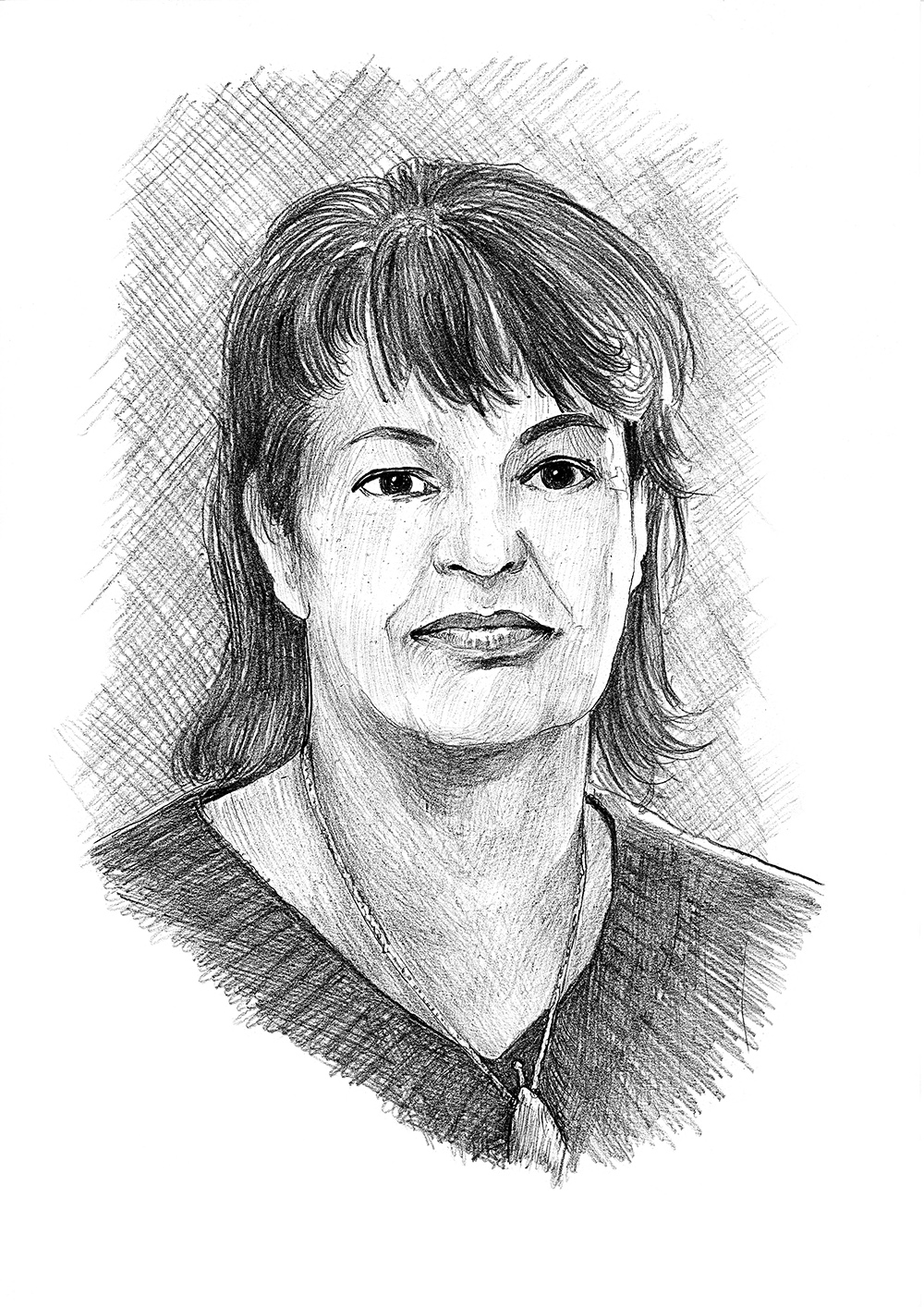
2010 -Prof. Johanne Martel-Pelletier-

Professor Johanne Martel-Pelletier


Johanne Martel-Pelletier earned her B.Sc. in Molecular Biology from Université du Québec à Montréal in 1973, followed by her M.A. and Ph.D. degrees in Physiology from the University of Montreal, in 1975 and 1979, respectively. She completed her training first in biophysics at the University of Montreal in 1979, then in rheumatology at the University of Miami in 1981. She was appointed as anAssistant Professor of Medicine at the University of Montreal in 1981 then became an Associate Professor in 1989 and a full Professor in 1995. She is the Co-Director of the Osteoarthritis Research Unit at the Notre-Dame Hospital of the University of Montreal Hospital Center, which she co-founded with Jean-Pierre Pelletier in 1981.

She is an active member of several editorial boards and committees and is a highly respected reviewer for many rheumatology and connective tissue journals, and governmental and private research funding agencies.

In recognition of her excellence in osteoarthritis research, Professor Johanne Martel-Pelletier was awarded a number of fellowships and prizes including ILAR Rheumatology Prize, the International Carol-Nachman Award for Rheumatology, Personality of the Week of La Presse, Montreal in 2000, and the EULAR Scientific Award for Basic Research in Osteoarthritis.

She authored roughly 240 journal articles, 26 books or book chapters, 37 reviews or editorials and 530 abstracts, and has given 155 invited lectures.

This biography was written in the year the prize was awarded.
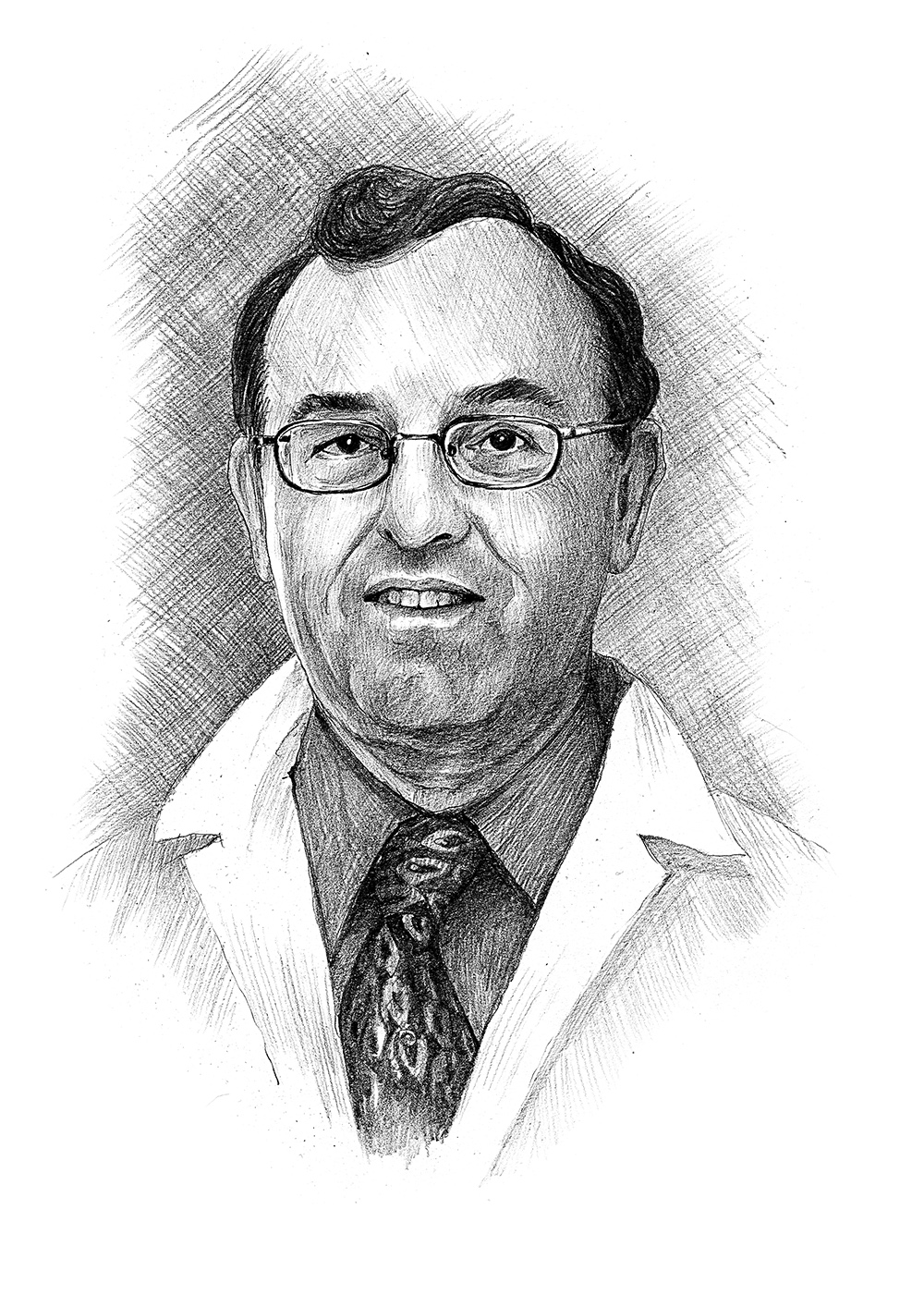
2010 -Professor Jean-Pierre Pelletier-

Professor Jean-Pierre Pelletier


Jean-Pierre Pelletier received his M.D. from the Faculty of Medicine at the University of Montreal in Quebec in 1974. He completed his residencies in internal medicine and rheumatology at Hôtel-Dieu Hospital, the University of Montreal, and Montreal General Hospital at McGill University (1974-1979), followed by two years as a research fellow in rheumatology at the University of Miami. He joined the University of Montreal as Assistant Professor in 1981 and became a full Professor in 1992. He is the Head of the Arthritis Division, and the Director of the Osteoarthritis Research Unit and the Musculoskeletal Diseases Program at the University of Montreal Hospital Research Center (CHUM).


Professor Jean-Pierre Pelletier is a prolific author, with 249 over 300 peer-reviewed papers, 29 books or book chapters, 37 reviews or editorials and 532 abstracts, in addition to 242 invited lectures.

Professor Jean-Pierre Pelletier received several awards and prizes including: Rheumatology Prize of the International League of Associations for Rheumatology (ILAR), Distinguished Investigator Award of the Canadian Rheumatology Association, Personality of the Week of La Presse, Montreal in 2000, Scientific Award for Basic Research in Osteoarthritis from the European League Against Rheumatism, Leadership and Distinction in the Medical Field Award from the University of Montreal Hospital Center Foundation, and the International Carol-Nachman Award for Rheumatology.

He is a Fellow of the Canadian Academy of Sciences, founding member of the Global Arthritis Research Network, former President of the Osteoarthritis Research Society International, Chairman of the RDU Council of the Arthritis Society, and President of the Examination Committee (Rheumatology) of the Royal College of Physicians and Surgeons of Canada. He is also an editor of the International Journal of Rheumatology, associate/guest editor of Osteoarthritis and Cartilage, section editor of Current Opinions in Rheumatology and Modern Therapeutics in Rheumatic Diseases, a member of the advisory committee of the Japanese Journal of Rheumatology and editorial committee of La Clinician and editor of the book Osteoarthritis: Clinical and Experimental Aspects..

This biography was written in the year the prize was awarded.