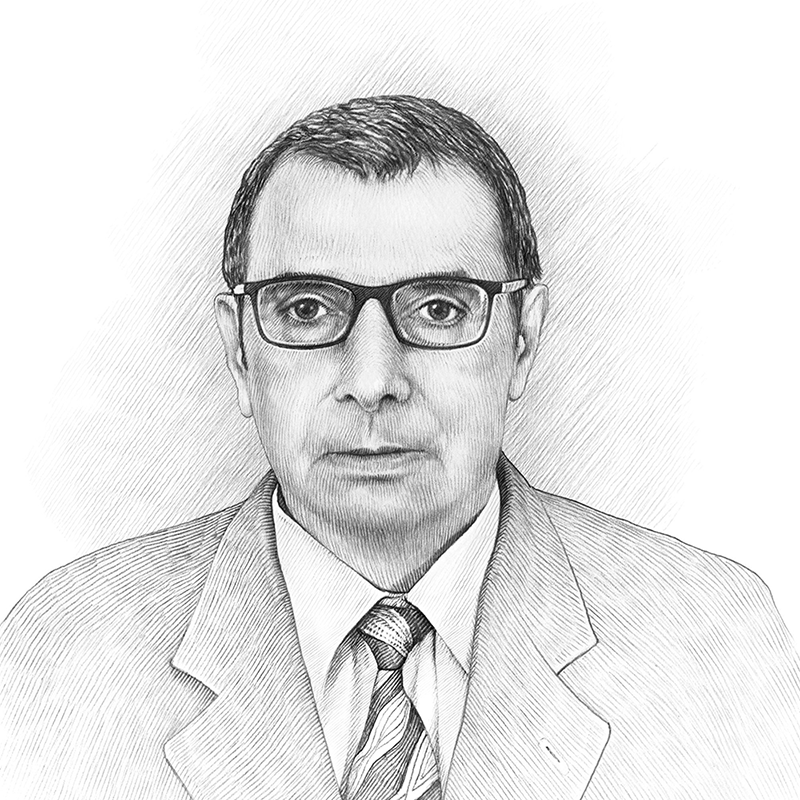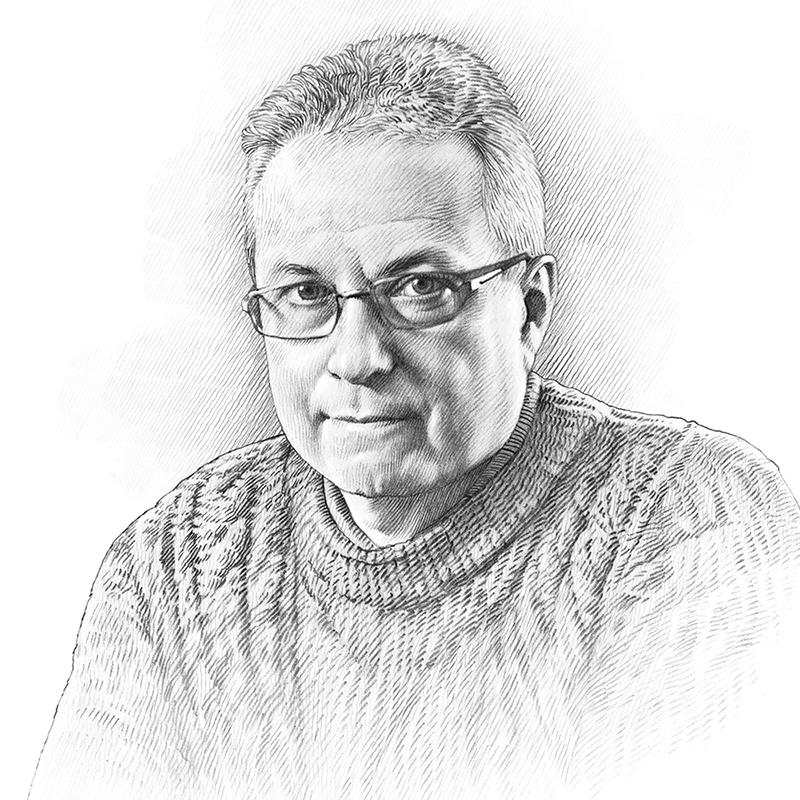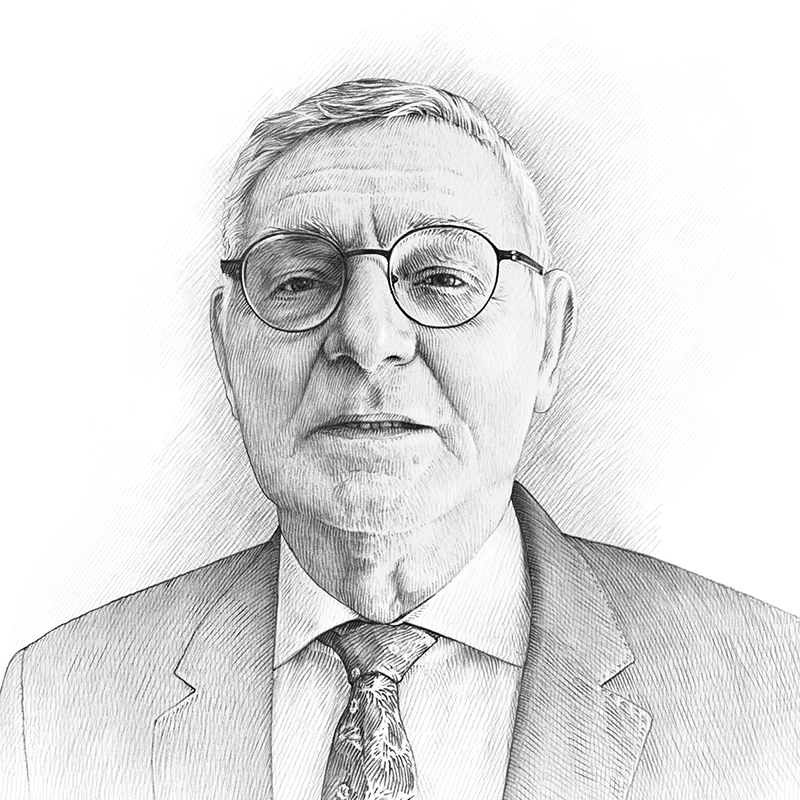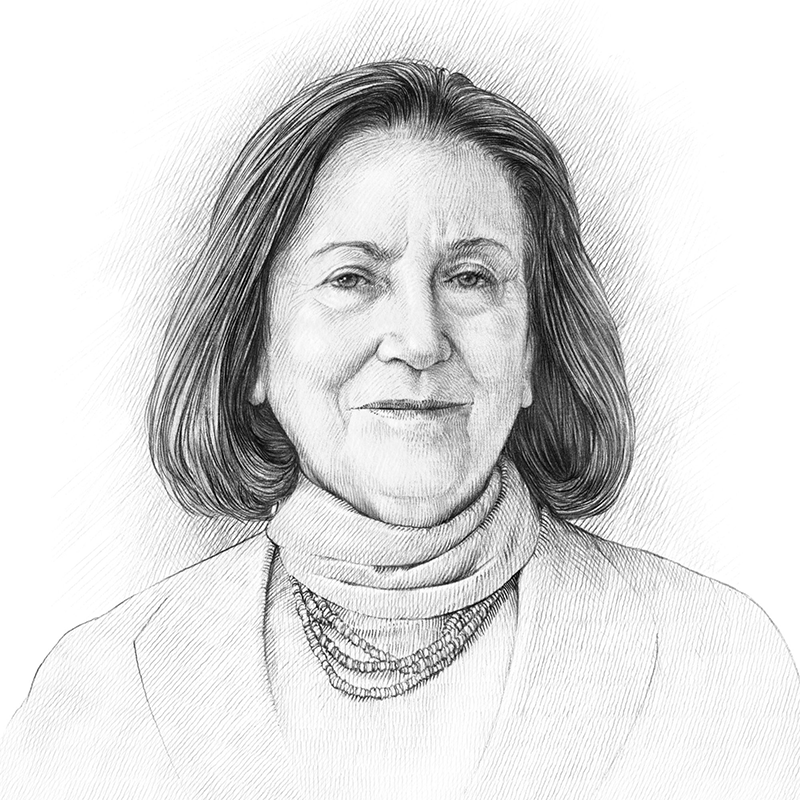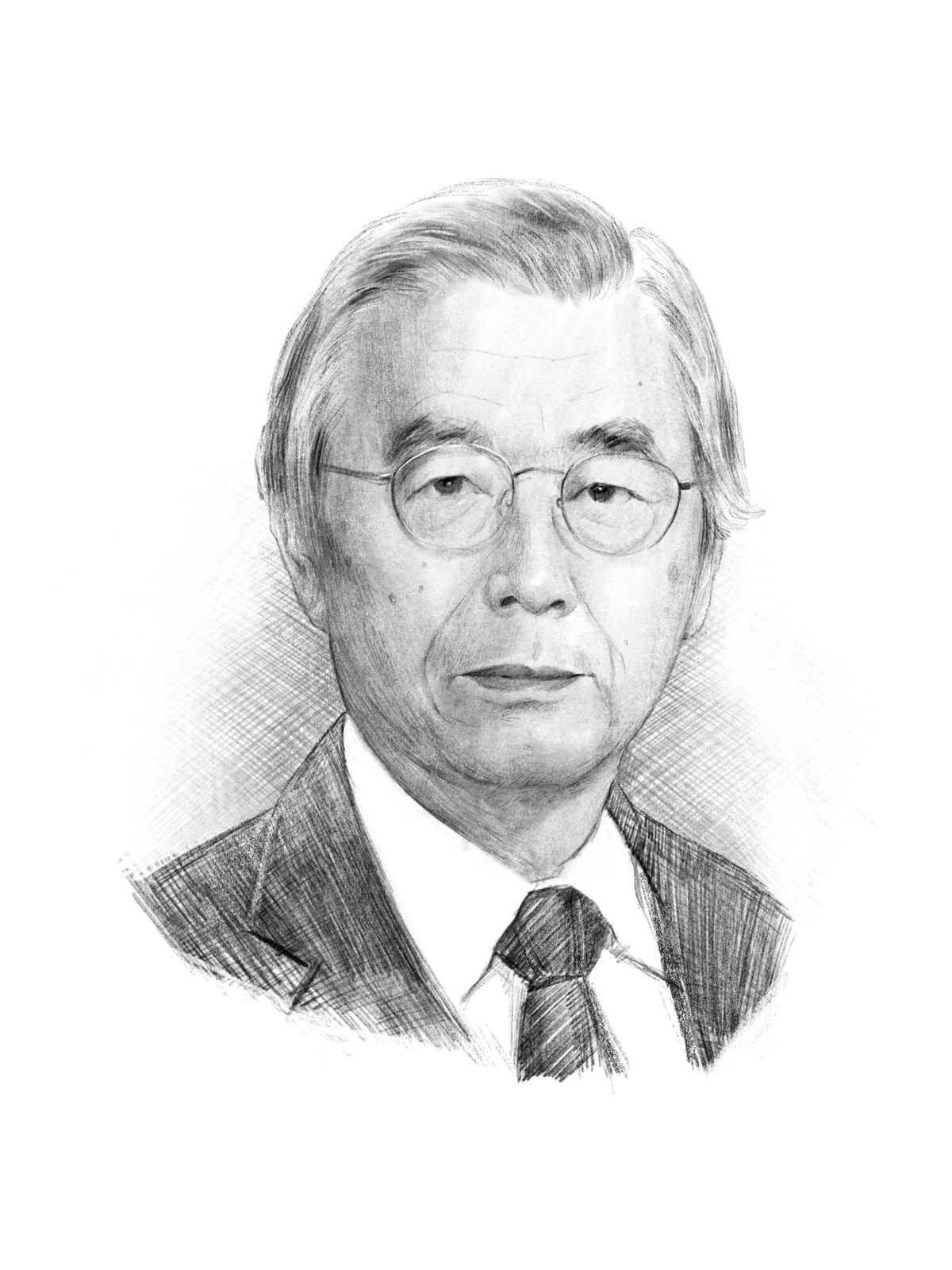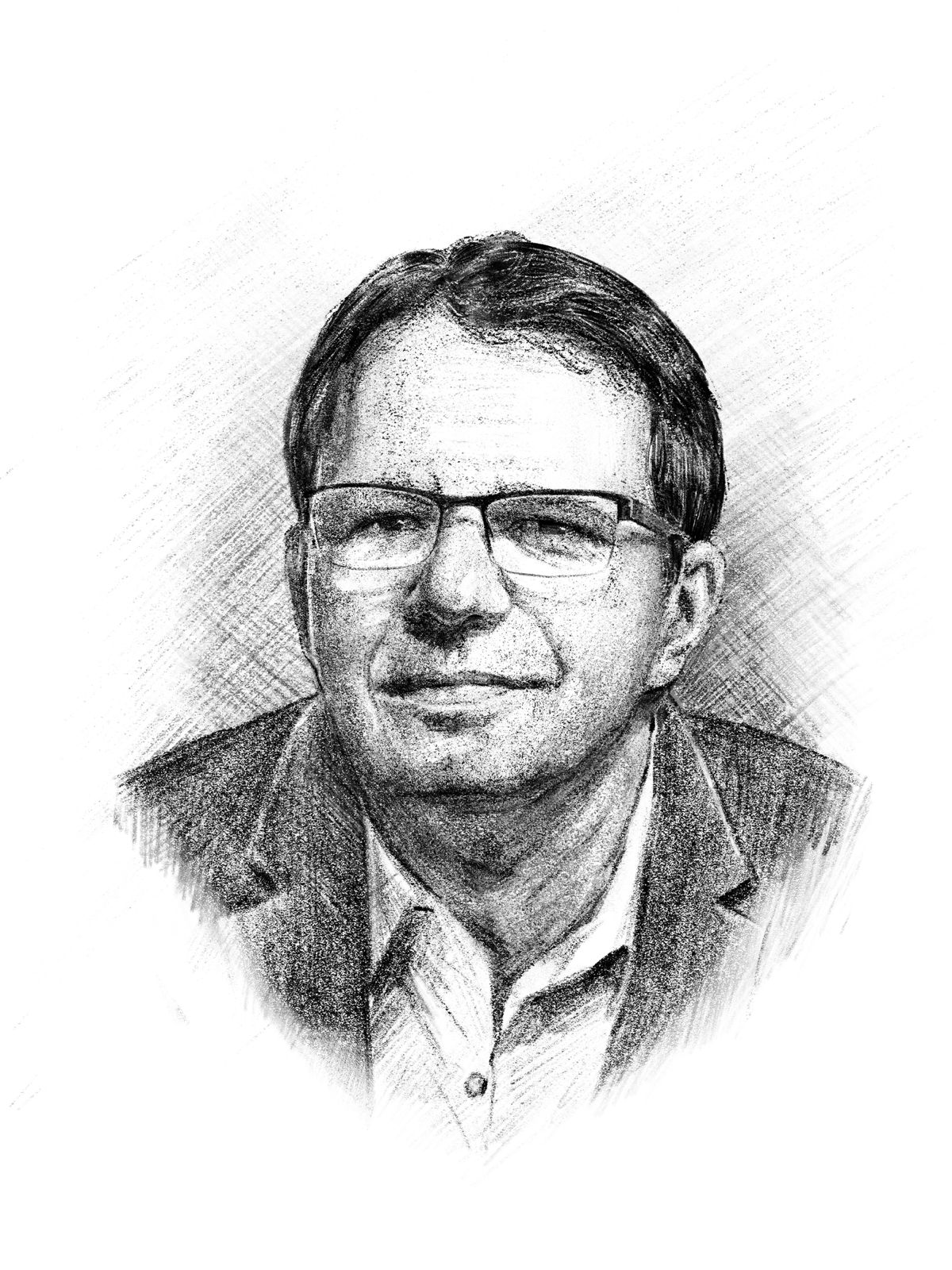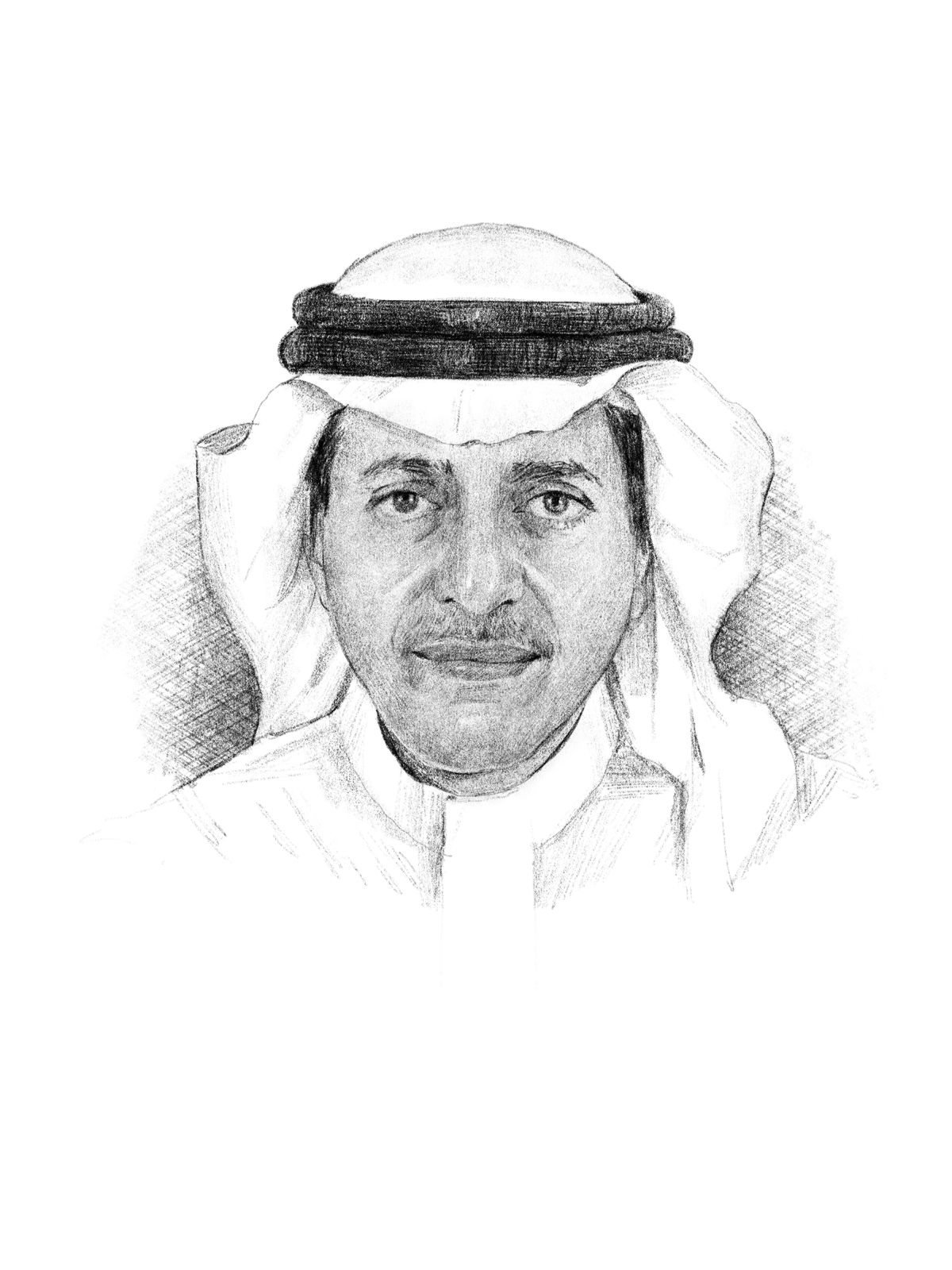
Moh’d Wahib Hussein was born in Amman, Hashemite Kingdom of Jordan, in 1962. He earned his bachelor’s degree in archaeology from the University of Jordan in 1984, and his master’s degree from the same university in 1988. He continued his training with foreign archaeological missions from Canada, Europe, the United States, and Japan, alongside his academic studies. He earned his Ph.D. from Hacettepe University in Ankara, Turkey, in 1991.
He joined the Department of Antiquities in Amman, where he established the Cultural Resources Management program to serve as a foundation for managing cultural heritage using modern technologies and applying this approach across the Arab world. He supervised excavation and survey projects in the field, including the discovery of the Baptism site (Al-Maghtas), the identification of ancient road networks, and the Islamic palace of Al-Muwaqqar. His work led to several discoveries that supported social, economic, and cultural development in local communities.
Professor Wahib’s research focused heavily on excavations and field studies, especially in the area of technology related to metal production, with a particular focus on copper. He identified ancient manufacturing centers in Wadi Arabah and Feynan, as well as the old trade routes connected to these centers. He helped establish the study of archaeometallurgy in Jordan and published several articles and books on copper mining, its ores, and its production methods throughout history.
His work also concentrated on locating sites of global significance, most notably the discovery of the Baptism site of Jesus (Al-Maghtas) on the eastern bank of the Jordan River. The site was recognized by the UNESCO World Heritage List in 2015.
Professor Wahib authored more than one hundred peer-reviewed scientific articles and 56 specialized books organized as academic series. His research has produced discoveries of global, regional, and local importance. He discovered forty major findings, including the discovery of the Long Jordan Wall in 2021; the discovery of the homeland of the Prophet Lot on the eastern shore of the Dead Sea along the route of the Elaf Road in 2017; the discovery of the Midian civilization in 2020; and the identification and documentation of historical routes using aerial imaging, such as the Christian Pilgrimage Route in 2023, the International Incense Trade Route, and the Makkah Elaf Route between 2023 and 2024.
He received many awards and certificates of appreciation, including the Abdul Hameed Shoman Regional Award for Young Arab Researchers in 2000; the Distinguished Researcher Award at the Hashemite University in 2007; the Distinguished Researcher Award from the Association of Italian Tourism Organizations, Piacenza in 2012; the Innovation and Excellence Award at the Hashemite University in 2014; and the Special Medal for Arab Inspiring Figures in Dubai in 2024.
Professor Abdelhamid Hussein Hammouda
Abdelhamid Hussein Mahmoud Hammouda was born in Faqus city, Ash Sharqiyah Governorate, Arab Republic of Egypt in 1961. He studied in the Faculty of Arts at Zagazig University, Department of History, from 1979 to 1983, then received his master’s degree in Islamic history in 1988 with excellent distinction. He completed his Ph.D. in Islamic history at the Faculty of Arts, Minia University, graduating with excellent distinction and first-class honors.
In 1989, he was appointed as a teaching assistant at the Faculty of Arts, Cairo University – Khartoum Branch, and in 1994, he moved to the Fayoum Branch of Cairo University. He held several administrative positions within the university, including Head of the History Department in both the Faculties of Education and Arts from 2003 until 2006, Vice Dean of the Faculty of Arts for Post-Graduate Studies and Research in 2009, and Dean of the Faculty of Arts from 2011 until 2018. He also supervised the Departments of English, Chinese, Libraries, and Information Systems. He served as a member on the editorial boards of several peer-reviewed academic journals. In 2009, he was selected by the university on an academic mission as a visiting researcher at S.O.A.S., University of London in the United Kingdom.
Professor Hammouda authored several encyclopedias, including The Encyclopedia of the History of Islamic States in the East, in ten volumes; The Encyclopedia of the Early Islamic Period and Its Civilization, in six volumes; and The Encyclopedia of Trade Routes in the Islamic World, in five volumes. There is a fourth encyclopedia that is currently in press. He also authored around sixteen books on various fields of Islamic history and Islamic civilization that were all published in Cairo. His books include International Relations in Islam, The History of Andalusia in the Islamic Era, The History of the Umayyad State, Entertainment and Leisure Means among Muslims from the Rise of Islam to the Late Eighth Century AH, and The Treatment of Prisoners in Islam.
He published more than 20 research papers on different aspects of Islamic history in the journals of Faculties of Arts at Egyptian universities and in the Union of Arab Historians.
In 2019, he was selected as a member of the Committee of wise Men at Fayoum University and was awarded the Encouragement Prize in scientific writing and translation from the same University in 2014. He also participated in several conferences in many countries.
Professor Carlos Kenig
Carlos E Kenig was born in Buenos Aires, Argentina, on 25 November 1953. He obtained his B.Sc. in Mathematics from the University of Buenos Aires in 1973, and his M.Sc. in 1975 and Ph.D. in 1978 from the University of Chicago in Mathematics. In 1978 he was appointed as an instructor at Princeton University and then moved to the University of Minnesota as an assistant Professor where he rose to the rank of Professor in 1985. Later in 1985 he moved to the University of Chicago, and in 1999 he was elected as the Louis Block Distinguished Service Professor in the Mathematics Department. He has served as President of the International Mathematical Union from 2019 to 2022.
Kenig is recognized for his applications of tools and techniques of harmonic analysis to a number of different areas of partial differential equations. In particular, in the last 30 years Kenig has made pioneering contributions to the study of nonlinear dispersive equation, including his recent research on the long-time behavior of large solutions to critical nonlinear wave equations.
Kenig was awarded the Salem Prize in 1984 and the Bocher Prize of the American Mathematical Society in 2008. Kenig received the Solomon Lefschetz medal of the Mathematical Council of the Americas in 2021 and the ICMAM Latin America Prize in 2024. He was an invited speaker at the International Congress of Mathematicians in 1984 and 2002 and a plenary speaker in 2010. In 2017 Kenig delivered the American Mathematical Society’s colloquium lectures.
Kenig is a Fellow of the American Academy of Arts and Sciences and of the American Mathematical Society. He is a member of the National Academy of Sciences of the US, a Foreign Member of the Istituto Lombardo, a Foreign Academician of the Royal Academy of Sciences of Spain, a Corresponding Member of the Academia Nacional de Ciencias Exactas, Fisicas y Naturales of Argentina, and a past vice-president of the American Mathematical Society. Kenig has received doctorates honoris causa from the Universite de Cergy-Pontoise and from the Universidad del Pais Vasco.
Professor Pierre Patrice Marcel Larcher
Pierre Larcher was born on May 23, 1948 in Paris, France. He graduated from Sorbonne University in 1969 with a BA in Classics (French, Latin and Greek), and from Sorbonne Nouvelle University in 1972 with a BA and MA in Arabic. In 1980, he defended a 3rd cycle thesis in Arabic linguistics, and in 1996, a state thesis in letters and humanities. Between 1971 and 1982, he worked as a teacher and researcher in various countries of the Arab world (Syria, Libya, Morocco). From 1983 to 2016, he taught at various French universities (Lille, Rennes, Avignon, and Aix-en-Provence), during that period he went on a sabbatical year (1989-1990) at the French Institute for Arabic Studies in Damascus. Since 2016, he has been Emeritus Professor of Arabic Linguistics at Aix-Marseille University and Emeritus Researcher at the Institute for Studies and Research on the Arab and Muslim Worlds in Aix.
Pierre Larcher’s scientific activity focuses on two main areas. Firstly, linguistics, mainly Arabic in addition to Semitic and General linguistics, and secondly, the analysis and translation of Arabic literature, mainly pre-Islamic Arabic poetry. In the first field, his work, often considered innovative, covers the history of the Arabic linguistic tradition, pragmatics, the verbal system, syntax, sociolinguistics and language history, and lexicology. In the second field, his translations have been well received in France and throughout the world, particularly that of the Mu’allaqât : published in 2000, and republished in 2015, which was invited to be part of the French version of The Mu’allaqât for the Millenials of Ithra, published in 2022.
Pierre Larcher’s bibliography comprises 350 items, including 10 personal works, twelve editor or coeditor of collective works, 180 articles and 95 reviews. He is a member of the editorial board of ten French and foreign scientific journals and a member of several learned societies. He was honored in 2016 for his work in the field of Arabic Linguistics, and in 2008 and 2014 for his work in the field of translation. Since 2015, he has been a member of the Accadamia Ambrosiana (Classis Orientalis) in Milan (Italy).
Professor Svetlana Mojsov
Svetlana Mojsov was born in Skopje in Northern Macedonia on 8 December, 1947. She obtained her B.S in Physical Chemistry from the University of Belgrade in 1971, and her Ph.D. in Biochemistry from The Rockefeller University in 1978. Mojsov studied solid phase peptide chemistry with Dr. R. B. Merrifield at Rockefeller University. In her thesis she reported the first solid phase synthesis of crystalline Glucagon. She remained in the Merrifield laboratory as a postdoctoral fellow from 1978-1981 and a research associate from 1981-1983. In 1983 she was appointed a Member of the Endocrine Unit at the Massachusetts General Hospital and an Instructor in Medicine at Harvard Medical School. In 1983 she was also appointed as an Associate in the Howard Hughes Medical Institute and Director of the HHMI peptide core facility. In 1990 she returned to Rockefeller University as an Assistant Professor and in 2002 she was promoted to Research Associate Professor.
In 1983 the sequence of the human pre-proglucagon gene was published, and Dr. Mojsov then postulated that the encoded polyprotein would be cleaved to produce a biologically active GLP-1 (7-37) peptide. This was a unique and critical insight. Starting 1983, as an independent Harvard and HHMI scientist, she synthesized the glucagon-like peptides that she predicted. She then developed analytical methods to separate the peptides and develop a radioimmunoassay for their detection.
Mojsov used these methods to detect GLP-1 (7-37) in the intestines of rats, establishing it as a candidate incretin and reported her results in a landmark JBC paper. She collaborated with Habener and Weir to show that GLP1 (7-37) elicited insulin secretion from the pancreas and with Nathans to show that it did so in humans suffering from type II diabetes. Her experiments established the therapeutic potential of GLP-1 (7-37) and led to co-inventorship with Joel Habener on patents on the use of GLP-1 for treatment of Type 2 diabetes and obesity.
Her fundamental contributions have been recognized by the Vinfuture prize 2024; Pearl Meister Greengard award 2024; Time magazine 100 Most Influential People 2024; Tang prize 2024; Princess of Asturias Prize 2024; Lasker Award 2024; Warren Tri-annual prize 2025; Breakthrough Prize 2025; BBVA Frontiers of Knowledge Award 2025.
Professor Mohamed Mohamed Aboumousa
Mohamed Mohamed Aboumousa was born in Kafr El Sheikh city, Arab Republic of Egypt, in 1937. He memorized the Holy Qur’an at an early age. He began his studies at Al-Azhar in 1949. He studied his undergraduate degree at Al-Azhar University, Faculty of Arabic Language, from 1958 to 1963, followed by postgraduate studies from 1964 until 1965 with a specialization in rhetoric and criticism. He earned his master’s degree in 1967 and Ph.D. in 1971.
He was appointed as a teaching assistant in the Department of Rhetoric and Criticism at the Faculty of Arabic Language in 1964 and progressed through academic ranks until he became a full professor in 1981. He served as Head of the Department of Rhetoric and Criticism at the Faculty of Arabic Language and was a member of the Permanent Academic Committee for Promotions. He taught at various universities in Egypt, Libya, and Sudan, and taught for more than 20 years as a professor at Umm Al-Qura University in Saudi Arabia. He has also been a founding member of the Council of Senior Scholars at Al-Azhar since 2012.
He enriched the linguistic and rhetorical field with 32 books, most of which were published in multiple editions. Among the most important are: Qur’anic Rhetoric in Al-Zamakhshari’s Tafsir, Characteristics of Structures (1974), Imagery in Expression (1976), Structural Meanings (1978), Secrets of Qur’anic Expression: An Analytical Study of Al-Ahzab Chapter (1972), Readings in Classical Literature (1978), Rhetorical Inimitability: An Analytical Study of the Scholars’ Legacy (1983), Reviews in the Foundations of Rhetorical Studies (2005), Abridgment of Hazim Al-Qartajanni’s Method of the Eloquents (2005), Pre-Islamic Poetry: A Study of Poetic Tendencies (2007), The Al-Ha Mim Series: A Study in Rhetorical Secrets (4 books, 2008–2012), Commentary on Hadiths from Sahih Al-Bukhari (2001), Commentary on Hadiths from Sahih Muslim (2015), The Unspoken in the Rhetorical Heritage (2017), From the Paths to Renewal (2018), From the Critical Heritage (2019), and From Our Missing Approaches in Preparing Future Generations (2023).
Professor Aboumousa has held a scholarly teaching circle at Al-Azhar since 2014, in which he teaches the two most important books in Arabic rhetoric, Secrets of Eloquence and Proofs of Inimitability by Imam Abd Al-Qahir Al-Jurjani. The number of these circles has reached nearly 300.
In recognition of his scholarly work, 15 theses and academic studies have been written to examine his intellectual contributions. A commemorative volume was published containing 20 articles and thematic studies about his work. A section of his biography was included in Arabic rhetoric textbooks for secondary level schools. He was selected among the top 10 figures in the Arab and Islamic world in terms of scholarly contribution to be honored in the inaugural session of the Doha Arab Book Award in 2024.
Sheikh Abdullatif Ahmed Alfozan
Abdullatif bin Ahmed Alfozan was born in Al-Zulfi, Kingdom of Saudi Arabia, in 1937 and grew up in a well-established merchant family, which shaped his early path and exposed him to practical experience from a young age. With direct support from his father, he learned the details of trade and business management during a period when the Gulf region was witnessing strong economic growth. Sheikh Abdullatif Alfozan is now one of the prominent figures in business and social development in Saudi Arabia.
He later moved to Al-Khobar, where he founded Abdullatif and Mohammed Alfozan Company with his brother. Under his leadership and vision, the company grew into a major economic group with more than forty companies operating in industry, commerce, retail, and urban development, in addition to investments through Alfozan Holding. Alongside this growth, Sheikh Abdullatif remained committed to building strong nonprofit institutions. He established Ajwad Endowment as a platform for community sustainability, and launched Alfozan Community Service Program, which became a leading platform for social innovation and has reached more than one million beneficiaries across Saudi Arabia.
His contributions extended to education, health, and urban development, and Alfozan Academy at King Fahd University of Petroleum and Minerals is one of his most notable initiatives, designed to prepare leaders for the nonprofit sector. He also founded the Abdullatif Alfozan Autism Center (Afaq), the largest of its kind in the Middle East, in addition to several health and rehabilitation centers in Al-Zulfi and Al-Khobar. In the field of architecture and urban development, he launched the Abdullatif Alfozan Award for Mosque Architecture, which became an international reference in documenting architectural innovation. He also established Mosqpedia, the first digital encyclopedia dedicated to mosque architecture, along with initiatives such as Mujassam Watan, affordable housing programs, and several environmental projects such as Ertiqa association for computer refurbishment.
Sheikh Abdullatif’s contributions continued beyond Saudi Arabia. His efforts include establishing Islamic centers in Eastern Europe, building mosques in India and Indonesia, digging wells, restoring schools in Syria in cooperation with the King Salman Humanitarian Aid And Relief Centre, and establishing a housing endowment for students of knowledge in Jordan. Through the award and the academy, he contributed to developing knowledge resources such as national guides for mosque construction, training courses, and professional standards for the nonprofit sector, which are now recognized as national references in Saudi Arabia.
Sheikh Abdullatif Alfozan has been widely recognized at the Arab and international levels, including an honorary award from The World Peace and Prosperity Foundation at the British Parliament in 2017, and his selection among the most influential Arab figures in social responsibility in 2020. Sheikh Abdullatif remains a model of a business leader who combined economic vision with a deep human spirit, dedicating his experience to building lasting social influence inside and outside Saudi Arabia.
Professor Sumio Iijima
Sumio Iijima was born in Saitama Japan on 2 May,1939. He has been a ‘University’ professor at Meijo University (Nagoya) since 1999 and a Senior Research Fellow at NEC Corporation (Tokyo). He was Former Director of Nanotube Research Center of the National Institute of Advanced Industrial Science and Technology (AIST) in Japan and current Honorary Fellow of AIST.
After graduating from Electro Communication University in Tokyo, he continued his graduate studies at Tohoku University (Sendai), where he received his Ph.D. in physics in 1968 with a focus on condensed matter physics and electron microscopy. His dissertation was on Print-Out Effects in AgBr Crystals. Later, in 1970, he moved to Arizona State University as a postdoctoral researcher, where he worked with Professor J. Cowley on the development of the high-resolution transmission electron microscopy (HRTEM) and established the current HRTEM method ahead of the rest of the world. He reported pioneering work on atomic-resolution HRTEM for a variety of materials, including complex oxides, minerals, carbon materials, metal atoms. In the meantime, he was invited to Cambridge University in 1979 and worked on HRTEM imaging of amorphous carbon. After returning to Japan in 1982 and engaged in research on ‘Ultra-Fine Particles’ for five years as part of the Exploratory Research for Advanced Technology project (National research project), he joined NEC Research Laboratories in1987.
In 1991 he discovered carbon nanotubes, pioneering nanoscience and nanotechnology in the world. The first paper reporting carbon nanotubes currently has 58,000 Google citations and counting. The discovery honored him with numerous invitations to international conferences such as the 2014 KAUST-NSF Conference, as well as awards, prizes and honorary doctates, including the Franklin Medal in physics in 2001, the Agilent Europhysics award, the APS McGroddy prize, the Imperial Prize, the Japan Academy Prize, and Order of Culture Merits (2009). In 2007, he was awarded the Aminoff Prize (Sweden) and the Balzan Prize (Italy), European Inventor Award in 2015. He was elected as Member of the Japan Academy, the foreign member of the Norwegian Academy of Science and Letters, the foreign members of the National Academy of Science (USA) and also the Chinese Academy of Sciences.
Professor Michel Sadelain
Michel William Jeffrey Sadelain was born in Paris, France on 21 April, 1960. He received his baccalaureat degree in Math in France and MD degree from the University Paris in 1984, training with Pr. Gabriel Richet. He continued his training in Immunology at the University of Alberta (Edmonton, Canada) with Dr. Thomas Wegmann and pursued his postdoctoral research at the Whitehead Institute for Biomedical Research at MIT (Cambridge, MA) with Dr. Richard Mulligan (1989-94). In 1994 Dr. Sadelain began his work at Memorial Sloan Kettering Cancer Center, where he founded the Center for Cell Engineering in 2007.
Dr. Sadelain’s research has been on the forefront of stem cell and T cell engineering, with the aim of devising safe, effective, and ultimately curative treatments for severe hereditary blood disorders and cancers. His lab conceived receptors for antigens that he named chimeric antigen receptors (CARs) and identified CD19 as an optimal therapeutic target, for which he provided the first experimental evidence by demonstrating that human T cells could be engineered to effectively target CD19+ lymphomas and leukemias in mice (Brentjens et al, 2003). His lab obtained the first FDA approval for a CD19 CAR therapy trial in the US. In 2013, his team was the first to report dramatic responses to CD19 CAR therapy in adults with relapsed and refractory acute lymphocytic leukemia (ALL) leading to long-term survival. CAR therapies were approved by the FDA in 2017. The advent of CD19 CAR therapy has paved the way for a nascent global cell therapy industry that is poised to advance other cell-based medicines and regenerative medicine.
Michel Sadelain is an author of over 280 papers and his research has led to the creation of over 60 patents. He previously served on the NIH Recombinant DNA Advisory Committee, as President of the American Society for Gene and Cell Therapy, and is an elected Fellow of the American Association of Cancer Research. He is the recipient of the Cancer Research Institute’s Coley Award for Distinguished Research in Tumor Immunology, the Sultan Bin Khalifa International Award for Innovative Medical Research on Thalassemia, the NYIPLA Inventor of the Year award, the Passano award, the Pasteur-Weizmann award, the Gabbay award, the INSERM International Prize Laureate, the ARC Foundation Léopold Griffuel award, the Outstanding Achievement Award from the American Society for Gene and Cell Therapy, the Clarivate Citation Laureate in Physiology or Medicine for breakthrough research advancing CAR therapy for the treatment of cancer, and in 2024 the Breakthrough Prize in Life Sciences and the Canada Gairdner Award.
Professor Said Faiz Alsaid
Said Faiz Alsaid earned a Ph.D. in Semitic Civilizations and Languages from the University of Marburg, Germany in 1994. He served as the Head of the Department of Archaeology, Dean of the College of Tourism and Archaeology, and Dean of the King Abdullah Institute for Research and Consulting Studies. He is the Secretary General of the King Abdullah International Translation Award, a member of the Board of Directors of the Heritage Commission, and a visiting professor at the University of Marburg, Germany (2001), the University of Nancy, France (2007), and the German Archaeological Institute (2015).
Professor Alsaid authored and translated 91 scientific papers on the archaeology of the Arabian Peninsula, all of which were published in 15 books and peer-reviewed scientific journals in Arabic, German, English, and French. Professor Alsaid took part in several archaeological excavations at various sites across Saudi Arabia, including Al-Faw site, Field supervisor for the King Saud University excavation team at the Dadan site (2004-2010), Co-chair of the Saudi-German excavation project in Tayma (2004-2010), and Co-chair of the Saudi-French project for documenting and studying archaeological inscriptions in the Najran region (2007–2014). He also conducted several archaeological surveys at sites such as Al-Birk site in Jazan, Tayma, Tabuk, Najran, Al-Ula, Madain Saleh, Hail, Thaj, and Al-Quwaiyah. The results of these surveys were published in books and peer-reviewed scientific journals. Professor Alsaid also contributed to navigating and identifying King Abdulaziz’s route to reclaim Riyadh and aided in preparing the archaeological content for the National Museum and Al-Murabba Palace. Furthermore, he was involved in the establishment and preparation of academic programs in archaeology, including Chair of the Scientific Committee for establishing the College of Tourism and Archaeology at King Saud University, Chair of the Scientific Committee for developing the curriculum for the Archaeology program at King Saud University, Chair of the Scientific Committee for developing the curriculum for the Heritage Management program at King Saud University, Chair of the Scientific Committee for the international accreditation of the Archaeology program at King Saud University, and Chair of the Scientific Committee for developing the specialized standards and learning outcomes document for the Archaeology program, a readiness project with the Saudi Education and Training Evaluation Commission.
Since 2019, Professor Alsaid has been selected as a member of Saudi Arabia’s team of accredited experts for the World Heritage Committee (UNESCO). He has also supervised 16 master’s and doctoral theses in the fields of archaeology and heritage management. He served as the Secretary of the Saudi Archaeological Studies Association from 1998 to 2008, Vice President of the Saudi Archaeological Society in 2021, and Chief Editor of Archaeological Studies journal, the journal of the Saudi Archaeological Studies Association (1998–2006). He was also the Editor of the annual book of the Department of Archaeology, Studies in Archaeology (2006–2013).
Professor Alsaid received several prestigious awards, including King Abdulaziz Prize for the Book in 2014, The King Saud University Deanship of Graduate Studies and Scientific Research Award for Distinguished Scientific Publication in 2011, The Shoman Award for Arab Researchers in 2003, The German Alexander von Humboldt Fellowship in 2000, a Certificate of Appreciation from the Arab Awards Forum in 2021, a Corresponding Member of the German Archaeological Institute since 2006, and a Certificate of Appreciation for Pioneers in Archaeology from the Ministry of Media in 2012.