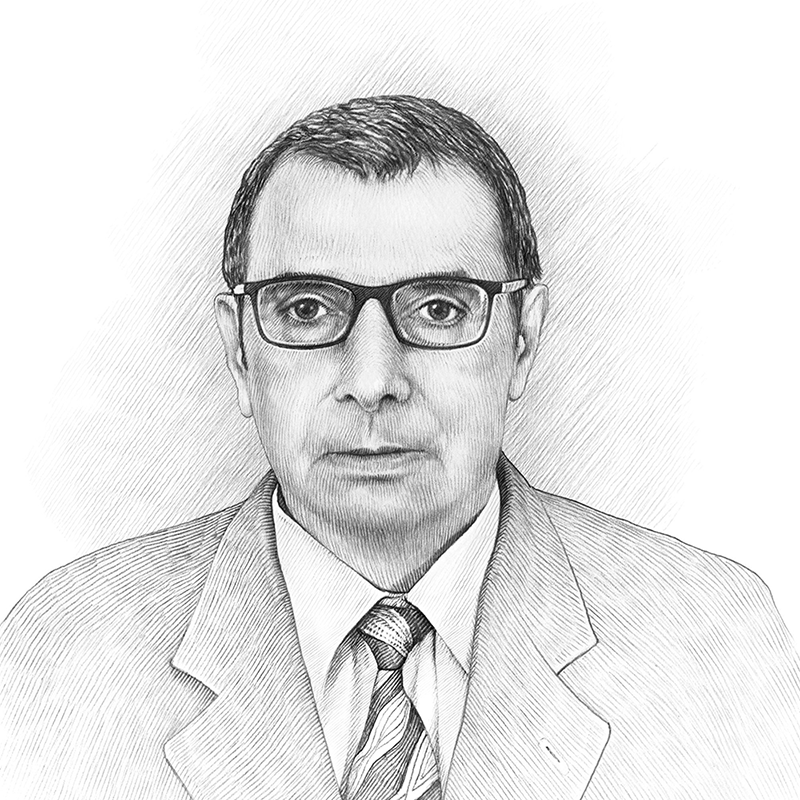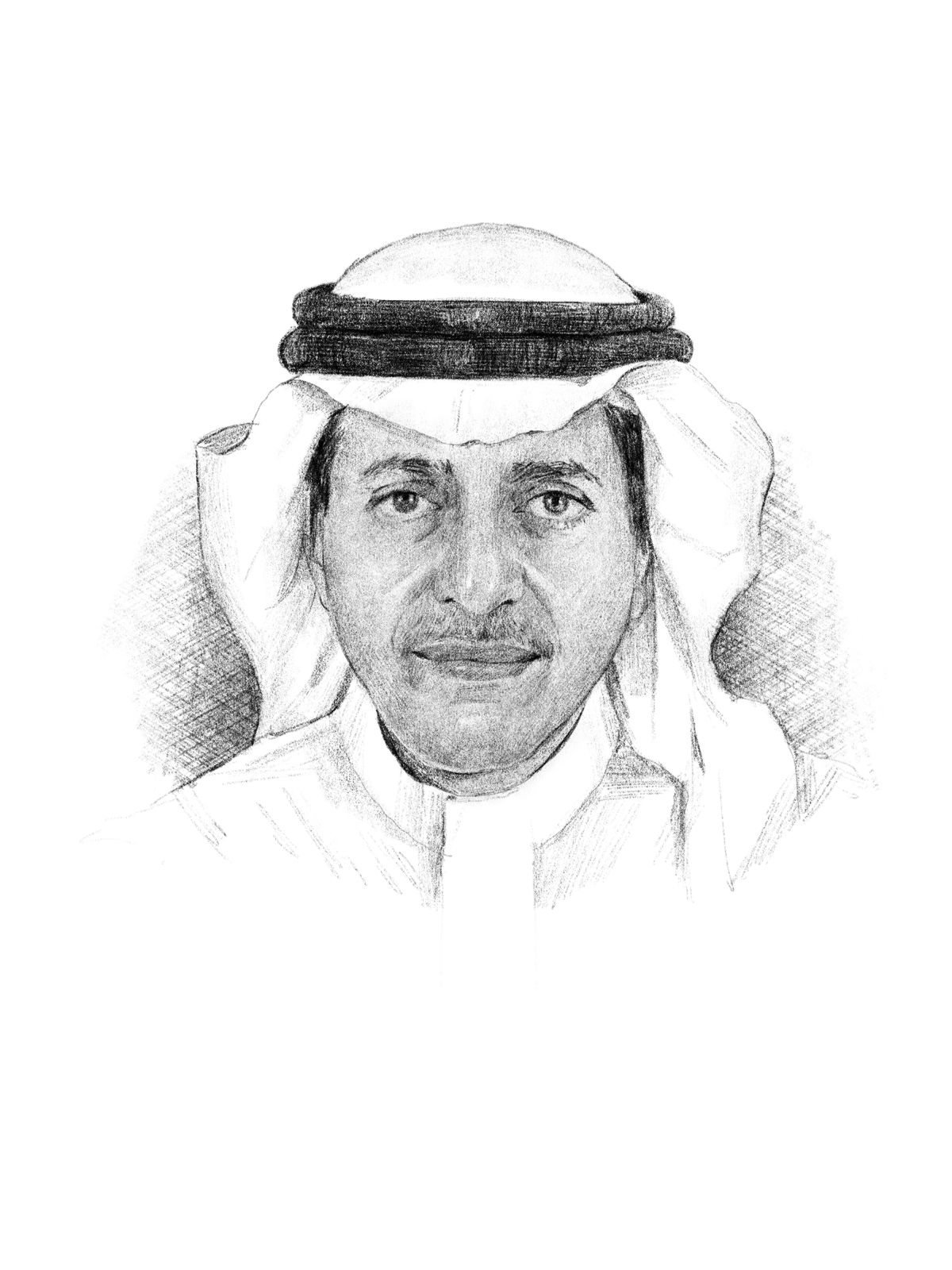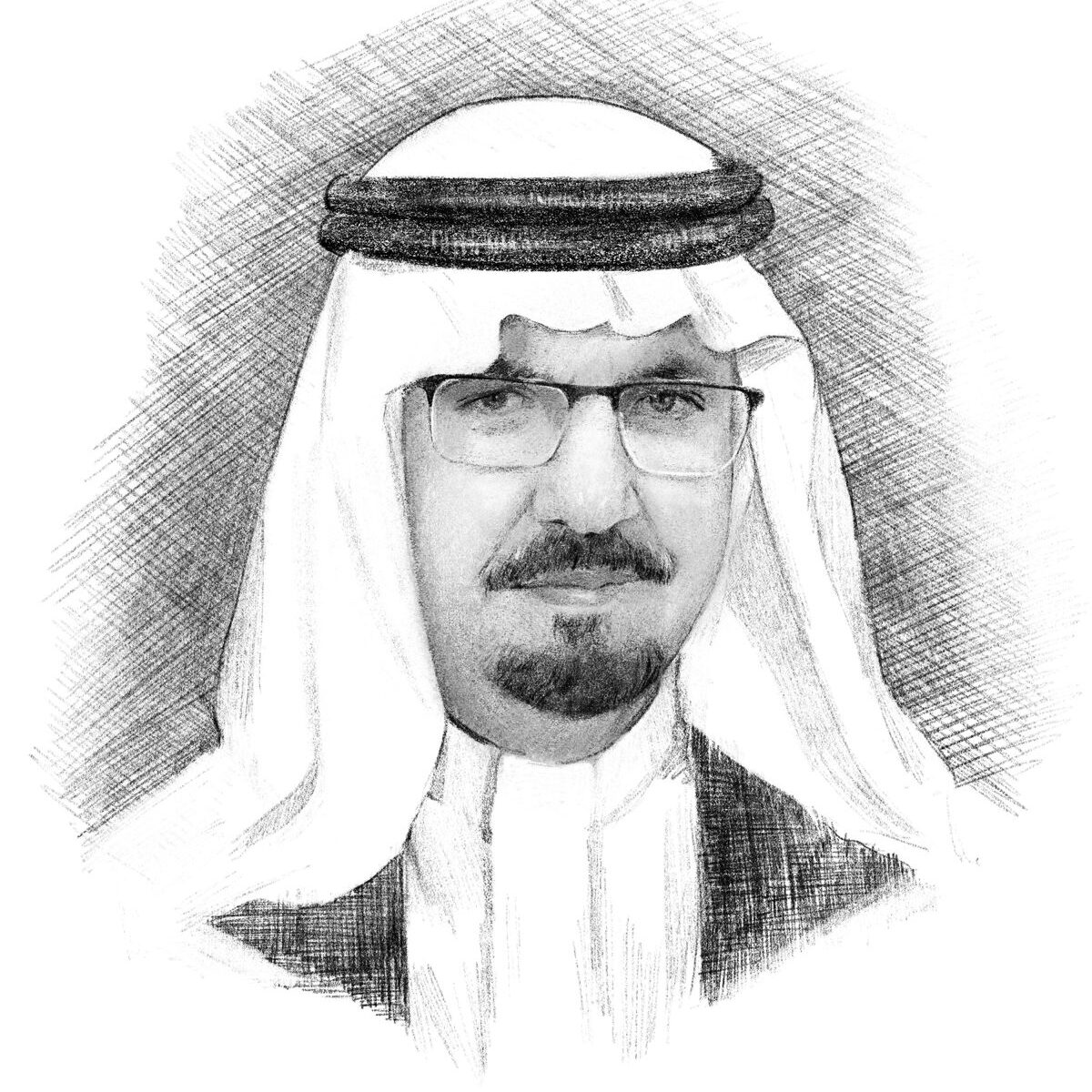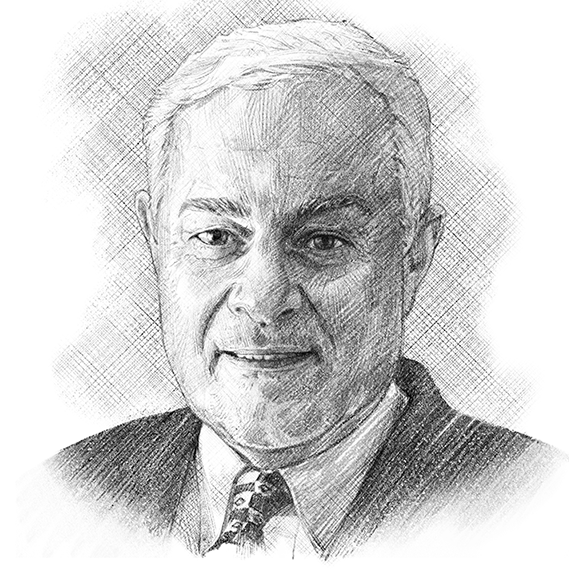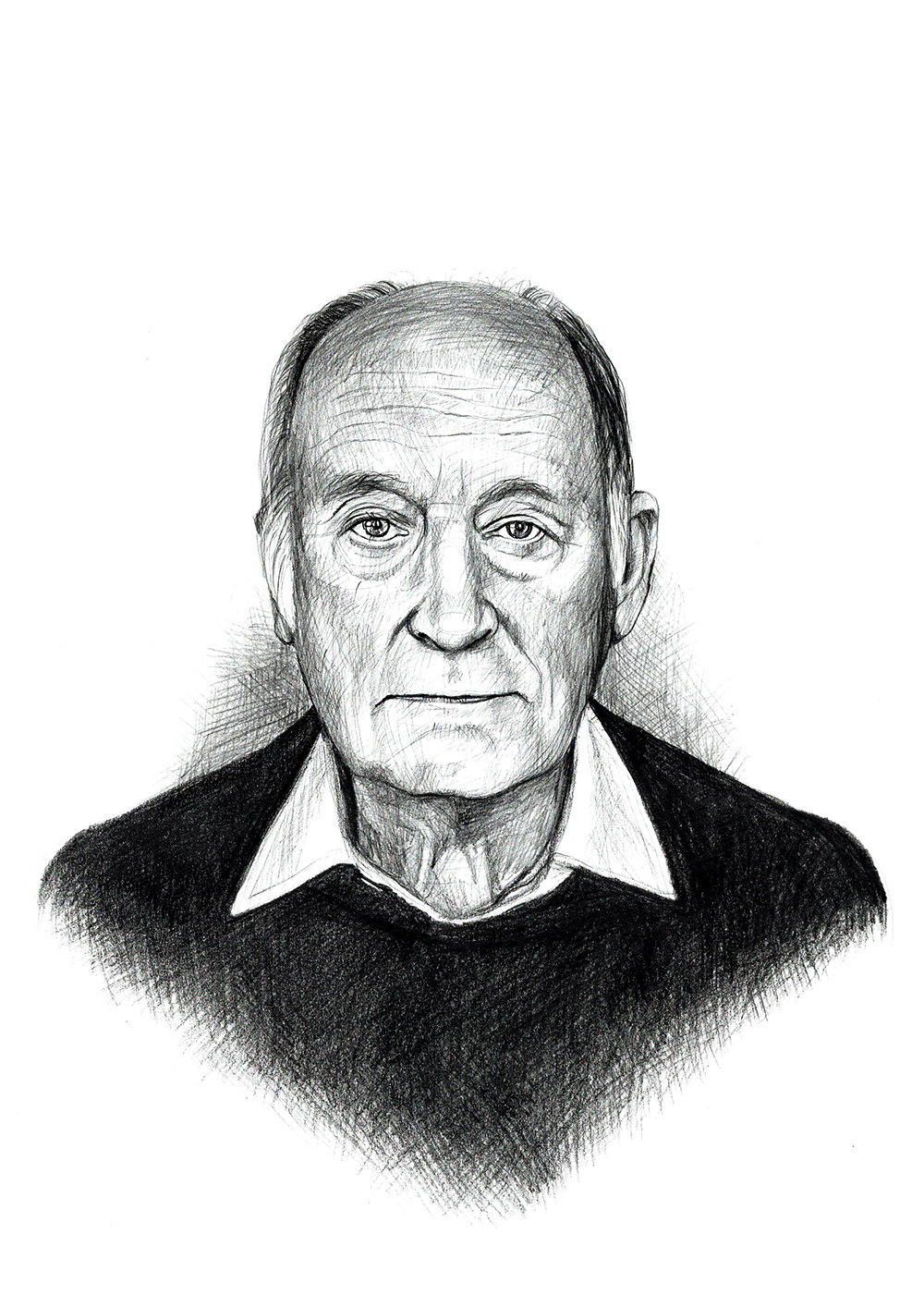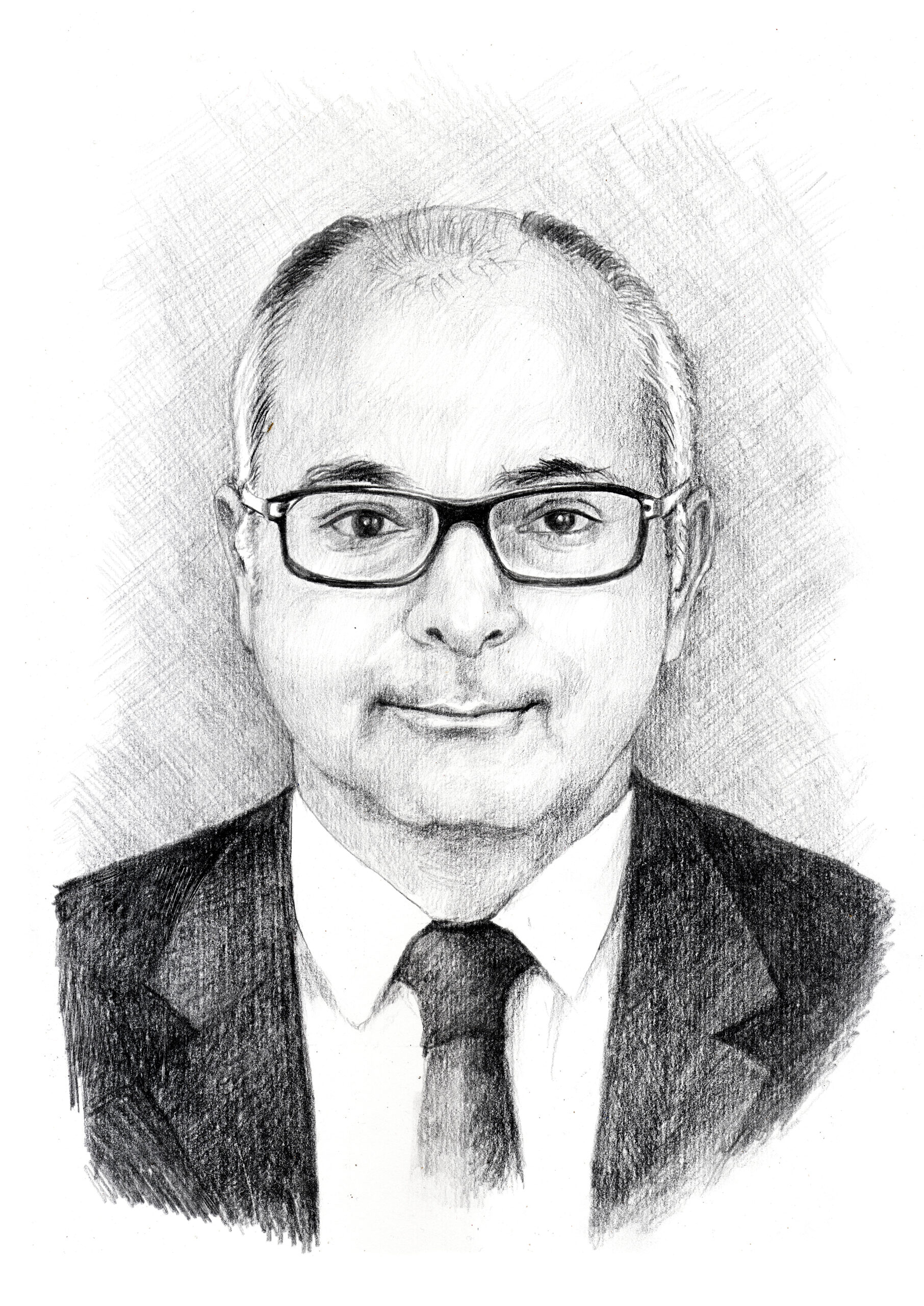
Moh’d Wahib Hussein was born in Amman, Hashemite Kingdom of Jordan, in 1962. He earned his bachelor’s degree in archaeology from the University of Jordan in 1984, and his master’s degree from the same university in 1988. He continued his training with foreign archaeological missions from Canada, Europe, the United States, and Japan, alongside his academic studies. He earned his Ph.D. from Hacettepe University in Ankara, Turkey, in 1991.
He joined the Department of Antiquities in Amman, where he established the Cultural Resources Management program to serve as a foundation for managing cultural heritage using modern technologies and applying this approach across the Arab world. He supervised excavation and survey projects in the field, including the discovery of the Baptism site (Al-Maghtas), the identification of ancient road networks, and the Islamic palace of Al-Muwaqqar. His work led to several discoveries that supported social, economic, and cultural development in local communities.
Professor Wahib’s research focused heavily on excavations and field studies, especially in the area of technology related to metal production, with a particular focus on copper. He identified ancient manufacturing centers in Wadi Arabah and Feynan, as well as the old trade routes connected to these centers. He helped establish the study of archaeometallurgy in Jordan and published several articles and books on copper mining, its ores, and its production methods throughout history.
His work also concentrated on locating sites of global significance, most notably the discovery of the Baptism site of Jesus (Al-Maghtas) on the eastern bank of the Jordan River. The site was recognized by the UNESCO World Heritage List in 2015.
Professor Wahib authored more than one hundred peer-reviewed scientific articles and 56 specialized books organized as academic series. His research has produced discoveries of global, regional, and local importance. He discovered forty major findings, including the discovery of the Long Jordan Wall in 2021; the discovery of the homeland of the Prophet Lot on the eastern shore of the Dead Sea along the route of the Elaf Road in 2017; the discovery of the Midian civilization in 2020; and the identification and documentation of historical routes using aerial imaging, such as the Christian Pilgrimage Route in 2023, the International Incense Trade Route, and the Makkah Elaf Route between 2023 and 2024.
He received many awards and certificates of appreciation, including the Abdul Hameed Shoman Regional Award for Young Arab Researchers in 2000; the Distinguished Researcher Award at the Hashemite University in 2007; the Distinguished Researcher Award from the Association of Italian Tourism Organizations, Piacenza in 2012; the Innovation and Excellence Award at the Hashemite University in 2014; and the Special Medal for Arab Inspiring Figures in Dubai in 2024.
Professor Abdelhamid Hussein Hammouda
Abdelhamid Hussein Mahmoud Hammouda was born in Faqus city, Ash Sharqiyah Governorate, Arab Republic of Egypt in 1961. He studied in the Faculty of Arts at Zagazig University, Department of History, from 1979 to 1983, then received his master’s degree in Islamic history in 1988 with excellent distinction. He completed his Ph.D. in Islamic history at the Faculty of Arts, Minia University, graduating with excellent distinction and first-class honors.
In 1989, he was appointed as a teaching assistant at the Faculty of Arts, Cairo University – Khartoum Branch, and in 1994, he moved to the Fayoum Branch of Cairo University. He held several administrative positions within the university, including Head of the History Department in both the Faculties of Education and Arts from 2003 until 2006, Vice Dean of the Faculty of Arts for Post-Graduate Studies and Research in 2009, and Dean of the Faculty of Arts from 2011 until 2018. He also supervised the Departments of English, Chinese, Libraries, and Information Systems. He served as a member on the editorial boards of several peer-reviewed academic journals. In 2009, he was selected by the university on an academic mission as a visiting researcher at S.O.A.S., University of London in the United Kingdom.
Professor Hammouda authored several encyclopedias, including The Encyclopedia of the History of Islamic States in the East, in ten volumes; The Encyclopedia of the Early Islamic Period and Its Civilization, in six volumes; and The Encyclopedia of Trade Routes in the Islamic World, in five volumes. There is a fourth encyclopedia that is currently in press. He also authored around sixteen books on various fields of Islamic history and Islamic civilization that were all published in Cairo. His books include International Relations in Islam, The History of Andalusia in the Islamic Era, The History of the Umayyad State, Entertainment and Leisure Means among Muslims from the Rise of Islam to the Late Eighth Century AH, and The Treatment of Prisoners in Islam.
He published more than 20 research papers on different aspects of Islamic history in the journals of Faculties of Arts at Egyptian universities and in the Union of Arab Historians.
In 2019, he was selected as a member of the Committee of wise Men at Fayoum University and was awarded the Encouragement Prize in scientific writing and translation from the same University in 2014. He also participated in several conferences in many countries.
Professor Said Faiz Alsaid
Said Faiz Alsaid earned a Ph.D. in Semitic Civilizations and Languages from the University of Marburg, Germany in 1994. He served as the Head of the Department of Archaeology, Dean of the College of Tourism and Archaeology, and Dean of the King Abdullah Institute for Research and Consulting Studies. He is the Secretary General of the King Abdullah International Translation Award, a member of the Board of Directors of the Heritage Commission, and a visiting professor at the University of Marburg, Germany (2001), the University of Nancy, France (2007), and the German Archaeological Institute (2015).
Professor Alsaid authored and translated 91 scientific papers on the archaeology of the Arabian Peninsula, all of which were published in 15 books and peer-reviewed scientific journals in Arabic, German, English, and French. Professor Alsaid took part in several archaeological excavations at various sites across Saudi Arabia, including Al-Faw site, Field supervisor for the King Saud University excavation team at the Dadan site (2004-2010), Co-chair of the Saudi-German excavation project in Tayma (2004-2010), and Co-chair of the Saudi-French project for documenting and studying archaeological inscriptions in the Najran region (2007–2014). He also conducted several archaeological surveys at sites such as Al-Birk site in Jazan, Tayma, Tabuk, Najran, Al-Ula, Madain Saleh, Hail, Thaj, and Al-Quwaiyah. The results of these surveys were published in books and peer-reviewed scientific journals. Professor Alsaid also contributed to navigating and identifying King Abdulaziz’s route to reclaim Riyadh and aided in preparing the archaeological content for the National Museum and Al-Murabba Palace. Furthermore, he was involved in the establishment and preparation of academic programs in archaeology, including Chair of the Scientific Committee for establishing the College of Tourism and Archaeology at King Saud University, Chair of the Scientific Committee for developing the curriculum for the Archaeology program at King Saud University, Chair of the Scientific Committee for developing the curriculum for the Heritage Management program at King Saud University, Chair of the Scientific Committee for the international accreditation of the Archaeology program at King Saud University, and Chair of the Scientific Committee for developing the specialized standards and learning outcomes document for the Archaeology program, a readiness project with the Saudi Education and Training Evaluation Commission.
Since 2019, Professor Alsaid has been selected as a member of Saudi Arabia’s team of accredited experts for the World Heritage Committee (UNESCO). He has also supervised 16 master’s and doctoral theses in the fields of archaeology and heritage management. He served as the Secretary of the Saudi Archaeological Studies Association from 1998 to 2008, Vice President of the Saudi Archaeological Society in 2021, and Chief Editor of Archaeological Studies journal, the journal of the Saudi Archaeological Studies Association (1998–2006). He was also the Editor of the annual book of the Department of Archaeology, Studies in Archaeology (2006–2013).
Professor Alsaid received several prestigious awards, including King Abdulaziz Prize for the Book in 2014, The King Saud University Deanship of Graduate Studies and Scientific Research Award for Distinguished Scientific Publication in 2011, The Shoman Award for Arab Researchers in 2003, The German Alexander von Humboldt Fellowship in 2000, a Certificate of Appreciation from the Arab Awards Forum in 2021, a Corresponding Member of the German Archaeological Institute since 2006, and a Certificate of Appreciation for Pioneers in Archaeology from the Ministry of Media in 2012.
Professor Saad Abdulaziz Alrashid
Saad Alrashid was born in 1946. He earned his bachelor’s degree in history in 1969 from King Saud University. He was granted a scholarship to the University of Leeds in the United Kingdom to study Islamic archaeology. During his academic journey, he conducted field studies in several Arab, Islamic, and European countries to collect information related to his field. He also undertook extensive expeditions along the historic pilgrimage route (Darb Zubayda) from Iraq to Mecca and Medina. Professor Alrashid presented a comprehensive research study titled: Darb Zubayda: The Pilgrimage Route from Kufa to Mecca: A Historical, Civilizational, and Archaeological Study, which earned him a Ph.D. in Islamic Archaeology from the University of Leeds in 1977.
Professor Alrashid worked as an Assistant Professor in the Department of History at King Saud University and contributed to establishing the first Department of Archaeology in Saudi Arabia, the Gulf Cooperation Council (GCC) countries, and Yemen in 1978. He was promoted to Associate Professor in 1982 and later to Full Professor in 1992. He held several administrative positions at the university, including Vice Dean of the College of Arts, Dean of Library Affairs at King Saud University, Head of the Department of Library and Information Science, and Head of the Department of Archaeology and Museums. He also supervised archaeological excavations at the Islamic city of Al-Rabadha for 25 years. These excavations uncovered features of an early Islamic city associated with the time of the Prophet Muhammad (peace be upon him) and the Rightly Guided Caliphs, extending into the early Abbasid era. Discoveries included architectural features such as the main mosque, the residential mosque, remnants of palaces and houses, water facilities, and a variety of artifacts. These findings provided insights into the characteristics of early Islamic cities in the Arabian Peninsula and served as a training ground for the first generation of Saudi archaeology students, who benefited from the hands-on experience to work in the Saudi Department of Antiquities. Professor Alrashid also led scientific and exploratory expeditions within and outside the Kingdom. He was appointed as Deputy for Antiquities and Museums at the Ministry of Education from 1996 to 2005 and later served as an advisor to the President of the Saudi Commission for Tourism and National Heritage. The Ministry of Culture selected him as one of the curators for the Islamic Biennale.
Professor Alrashid has actively participated in numerous conferences, seminars, and scientific associations both within Saudi Arabia and internationally. He has authored many publications and scientific research articles featured in academic journals, as well as Arab and international encyclopedias. Among his notable works are Darb Zubayda: The Pilgrimage Route from Kufa to Mecca – A Historical, Civilizational, and Archaeological Study, Al-Rabadha: A Portrait of Early Islamic Civilization in Saudi Arabia, Unpublished Islamic Inscriptions from ‘Rawwa’ in Medina, Islamic Inscriptions from Mecca – Study and Analysis, Studies on Early Islamic Archaeology in Medina, Manuscript Inscriptions on Stone from the Asir Region: An Analytical and Comparative Study, and Al-Suwaidra (Formerly Known as Al-Tarf): Its Archaeology and Islamic Inscriptions. In addition, he published an English-language book titled Medieval Routes to Mecca: A Study of the Darb Zubayda Pilgrim Trail (revised by Peter Webb), (Gilgamesh Publishing/King Abdulaziz Public Library), 2020.
Professor Alrashid supervised several academic theses and was selected as a member of various councils, associations, advisory committees, and scientific bodies in his field of expertise. He received many awards, honors, and medals, including The King Khalid Medal (Third Class), The Custodian of the Two Holy Mosques King Salman bin Abdulaziz Award for Excellence in Studies and Research on the History of the Arabian Peninsula, The King Abdulaziz Medal (First Class), The Amin Madani Prize for Research on the History of the Arabian Peninsula, and The Award of His Excellency Abdullah Al-Ali Al-Naim for Service to the History and Archaeology of the Arabian Peninsula.
(Withheld)
The 2021G (1442H) King Faisal Prize for Islamic Studies (Topic: Endowment in Islam) has been withheld due to the lack of sufficiently meritorious nominations.
Professor Wael B. Hallaq
He graduated from the University of Haifa in 1978, then earned a masters degree and a Ph.D. from the University of Washington in 1979. Hallaq joined McGill University as an assistant professor of Islamic law in 1985, after receiving his Ph.D. from the University of Washington in 1983. He became a full professor in 1994, and was named a James McGill Professor in Islamic law in 2005. In 2009, he moved to New York, to become the Avalon Foundation Professor in the Humanities at Columbia University, where he has been teaching ethics, law, and political thought since 2009. Hallaq is considered a world leading scholar in the field of Islamic studies, and has been described as a foremost authority on the Sharia. His research and writings have shaped the Western academic education on Islamic law, and have extended over many periods and subjects, ranging from the formative period of Islam to modern history. He lectured in universities across the world, from Japan, Singapore and Indonesia, to the Middle East, Europe and North America. He has published over eighty articles and numerous books on topics including law, legal theory, philosophy, ethics, political theory, and logic. In 2009, he was listed among the 500 most influential scholars in the studies of Islamic.
Hallaq gained prominence for his doctoral work challenging the notion of the so-called “the closing of the gate of ijtihad,” a narrative that was for long accepted in the field as paradigmatic. His major works include Restating Orientalism: A Critique of Modern Knowledge, and Reforming Modernity: Ethics and the New Human in the Philosophy of Abdurrahman Taha, Authority, Continuity, and Change in Islamic Law, The Origins and Evolution of Islamic Law, Shari`a: Theory, Practice, Transformations, and Islamic Legal Theories: An Introduction to Usul al-Fiqh. Professor Hallaq’s work is widely debated and translated, with several books and dissertations, and numerous articles, devoted to the study and analysis of his writings. His life and work have been featured in many interviews, symposia, talk shows, and documentaries by major media outlets.
In 2015, his Impossible State (2013) won Columbia’s distinguished Book Award for the two years prior, and since it appeared in Arabic in 2014, it has commanded much attention in academic circles and mass media in the Muslim world. In 2020, he won the Nautilus Book Award for Reforming Modernity, and in 2021, he was awarded the TÜBA Prize, given by the Turkish Academy of Science in recognition of innovative and path-breaking scholarship in the Humanities and Social Sciences. Later in the same year, he was elected an Honorary Member of this Academy. Dozens of his major articles and all his books have now been rendered into Arabic and Turkish, and many are translated into several other languages including Indonesian, Japanese, Persian, Urdu, Hebrew, Italian, German, French, and most recently Albanian, Russian, and Bengali.
This biography was written in the year the prize was awarded.
Professor Robert Hillenbrand
Robert Hillenbrand was educated at the universities of Cambridge (English Literature; B.A. 1963) and Oxford (Oriental Studies; D.Phil. 1974). Between those dates he worked in the Administrative Class of the Civil Service in London and began to undertake research for his doctorate. He taught at the Department of Fine Art in the University of Edinburgh from 1971 and was awarded a chair of Islamic art there in 1989. His travels have taken him throughout the Islamic world. He has held visiting professorships at Princeton, University of California at Los Angeles, Bamberg, Dartmouth College, Beirut and Groningen. From 1992 to 2004 he held a short-term visiting professorship at Leiden. In 1993 he delivered the Kevorkian Lectures at New York University, and in 2004 he was Distinguished Visiting Professor at the American University in Cairo. He delivered the Runciman Lecture at King’s College, London, in 2010. Prof. Hillenbrand scholarly interests focus on Islamic architecture, painting and iconography. He work with the following languages: German (native speaker), French (excellent), Italian (reading knowledge), Spanish (reading knowledge), Persian (colloquial) and Arabic (for epigraphic purposes). He lectured in Egypt, Saudi Arabia, Kuwait, Abu Dhabi, Lebanon, Syria, Turkey, Iran, Turkmenistan, Uzbekistan, Pakistan, India, China, Japan, Russia, Canada, and throughout Europe and the United States.
Professor Robert Hillenbrand has written the following twelve books: Imperial Images in Persian Painting; Islamic Art and Architecture (translated into German and Turkish in 2005, Danish in 2008 and Persian in 2009; revised and expanded ed. 2021); The Architecture of Ottoman Jerusalem: An Introduction; Studies in Medieval Islamic Architecture (2 vols.); the prize-winning Islamic Architecture: Form, Function and Meaning (translated into Persian in 1998 and 2000); The Sheikh Zayed Grand Mosque; Studies in Islamic Painting; The Sheikh Zayed Grand Mosque. A landmark of modern Islamic architecture; Studies in the Islamic Decorative Arts; An unknown masterpiece from Mongol Iran; and Islamic Architecture in North Africa (co-author). In addition, he has edited seven books and co-edited five more. He also published some 190 articles on aspects of Islamic architecture and art.
In 2006 he was awarded the Book of the Year prize for The Visual Language of the Book of Kings. In 2008 he received the Iris Foundation Scholar’s Award for Outstanding Contributions to the Decorative Arts in New York. In 2013 he was appointed Ehrenmitglied (Honorary Member) of the Deutsche Morgenländische Gesellschaft. In 2018 he received the Lifetime Achievement Award from the Association of Iranian Studies in California, and in 2019 he received, with his wife Carole, the Medal of the Royal Asiatic Society, the Society’s highest award, given periodically in recognition of outstanding contributions to the field of Asian studies.
A Festschrift for him appeared in 2005: The Iconography of Islamic Art. Studies in Honour of Robert Hillenbrand, ed. B. O’Kane, and a second two-volume Festschrift for him and his wife Carole, ed. M. Gibson and A. Ansari, is to be published in London by Gingko Press in April 2022. In 2006-7 he served as Director of the newly-established Centre for the Advanced Study of the Arab World, which comprises a consortium of the universities of Edinburgh, Manchester and Durham.
Professor Robert Hillenbrand was Slade Professor of Art at the University of Cambridge in 2008.
This biography was written in the year the prize was awarded.
(Withheld)
The 2022G (1443H) King Faisal Prize for Islamic Studies (Topic: Andalus’ Islamic Heritage) has been withheld due to the lack of sufficiently meritorious nominations.
Dr. Mohammed Hashim Ghosheh
Mohammed Ghosheh obtained in 1994 a Bachelor’s degree in Media & Mass Communication from Yarmouk University, Jordan. In 1994, he earned a Master’s degree in Archeology and Islamic Architecture from the Higher Institute of Islamic Archeology, Al-Quds University. In 2002, he received his Ph.D. in Modern History from the Cairo-based Institute of Research and Arabic Studies (First-class Honors).
Dr. Ghosheh worked as a teacher at both Al-Quds University and Al-Quds Open University. He also served as a lecturer in a number of universities, forums, and academic institutions in several countries. He later assumed the deanship of the Islamic Heritage Revival and Research Institution hosted in Al-Quds.
Dr. Mohammad Ghosheh has made myriad intellectual and documentary contributions to more than 150 research works and studies on Al-Quds and its Arabo-Islamic heritage. He has also authored some 37 historical and documentary books on Al-Quds Al-Sharif in light of its historical, intellectual, architectural, and heritage value. Dr. Ghosheh has tapped historical documents to serve and protect the Arab and Muslim rights in Al-Quds.
His book, titled The Holy Dome of the Rock, documents all the architectural, decorative, mosaical, Qashani, and geometric elements of the holy Dome of the Rock. The book ensures, for the first time, an accurate reconstruction or restoration of the Dome of the Rock shrine as it stands today in line with the description laid forth in the book. Dr. Robert Schick, an American archaeologist, describes the book as the most important publication on the Holy Dome of the Rock. As for the book The Blessed Al-Aqsa Mosque that was published in 2014, it is considered the largest documentation of the blessed Al-Aqsa Mosque that is based on field research, architectural and photographic documentation, records of Sharia courts and Ottoman archives for each and every vestige, stone, engraving, decoration, and landmark existing in the blessed Al-Aqsa Mosque.
His Encyclopedia Palestinnica comprises 24 volumes. It is the largest illustrated documentary work on Palestine and Al-Quds. It consists of about 7000 pages and is based on thousands of historical documents and original photos (most of which are published for the first time) and sources going back earlier than the nineteenth century in various European, Latin, Persian, Hebrew, and Arabic languages. The Encyclopedia also features thousands of historical documents, maps, drawings, inscriptions, seals, and photos based on Ottoman, Egyptian, British, French, Spanish, and other archives.
Dr. Ghosheh received a number of international awards, shields and honors, most notably is the Abdul Majeed Shoman International Prize for Al-Quds in 2006, the Kuwait Award for Heritage Research on Al-Quds in 1987, and the French Sorbonne University Shield in recognition of his contribution in documenting the history of Al-Quds and its architectural heritage.
This biography was written in the year the prize was awarded.
(Withheld)
The 2019G (1440H) King Faisal Prize for Islamic Studies (Topic: Studies on the Objectives of Islamic Law) has been withheld due to the lack of sufficiently meritorious nominations.