2026 Professor Mohamed Mohamed Aboumousa

Professor Mohamed Mohamed Aboumousa

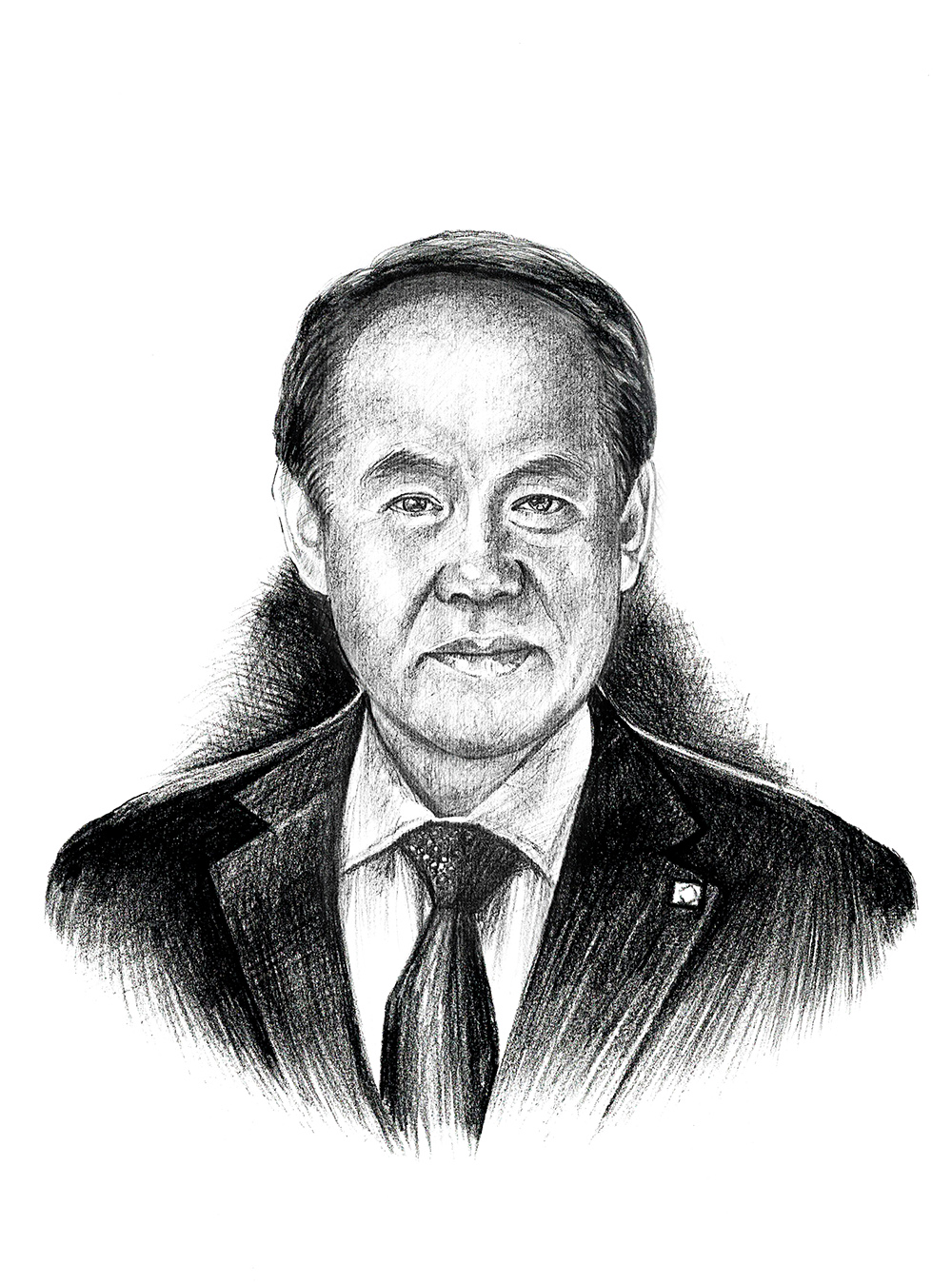
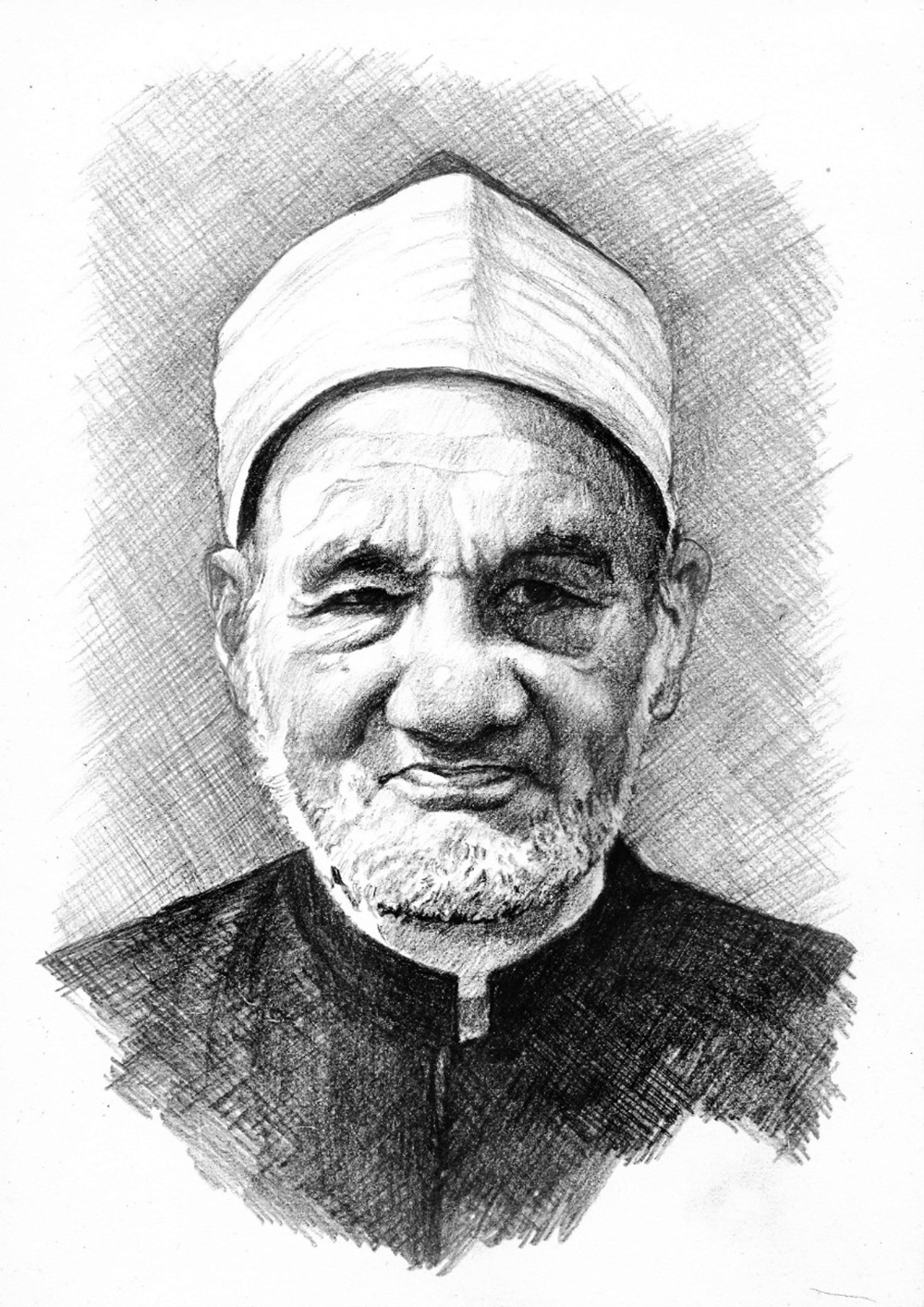
Mohamed Mohamed Aboumousa was born in Kafr El Sheikh city, Arab Republic of Egypt, in 1937. He memorized the Holy Qur’an at an early age. He began his studies at Al-Azhar in 1949. He studied his undergraduate degree at Al-Azhar University, Faculty of Arabic Language, from 1958 to 1963, followed by postgraduate studies from 1964 until 1965 with a specialization in rhetoric and criticism. He earned his master’s degree in 1967 and Ph.D. in 1971.

He was appointed as a teaching assistant in the Department of Rhetoric and Criticism at the Faculty of Arabic Language in 1964 and progressed through academic ranks until he became a full professor in 1981. He served as Head of the Department of Rhetoric and Criticism at the Faculty of Arabic Language and was a member of the Permanent Academic Committee for Promotions. He taught at various universities in Egypt, Libya, and Sudan, and taught for more than 20 years as a professor at Umm Al-Qura University in Saudi Arabia. He has also been a founding member of the Council of Senior Scholars at Al-Azhar since 2012.

He enriched the linguistic and rhetorical field with 32 books, most of which were published in multiple editions. Among the most important are: Qur’anic Rhetoric in Al-Zamakhshari’s Tafsir, Characteristics of Structures (1974), Imagery in Expression (1976), Structural Meanings (1978), Secrets of Qur’anic Expression: An Analytical Study of Al-Ahzab Chapter (1972), Readings in Classical Literature (1978), Rhetorical Inimitability: An Analytical Study of the Scholars’ Legacy (1983), Reviews in the Foundations of Rhetorical Studies (2005), Abridgment of Hazim Al-Qartajanni’s Method of the Eloquents (2005), Pre-Islamic Poetry: A Study of Poetic Tendencies (2007), The Al-Ha Mim Series: A Study in Rhetorical Secrets (4 books, 2008–2012), Commentary on Hadiths from Sahih Al-Bukhari (2001), Commentary on Hadiths from Sahih Muslim (2015), The Unspoken in the Rhetorical Heritage (2017), From the Paths to Renewal (2018), From the Critical Heritage (2019), and From Our Missing Approaches in Preparing Future Generations (2023).

Professor Aboumousa has held a scholarly teaching circle at Al-Azhar since 2014, in which he teaches the two most important books in Arabic rhetoric, Secrets of Eloquence and Proofs of Inimitability by Imam Abd Al-Qahir Al-Jurjani. The number of these circles has reached nearly 300.

In recognition of his scholarly work, 15 theses and academic studies have been written to examine his intellectual contributions. A commemorative volume was published containing 20 articles and thematic studies about his work. A section of his biography was included in Arabic rhetoric textbooks for secondary level schools. He was selected among the top 10 figures in the Arab and Islamic world in terms of scholarly contribution to be honored in the inaugural session of the Doha Arab Book Award in 2024.

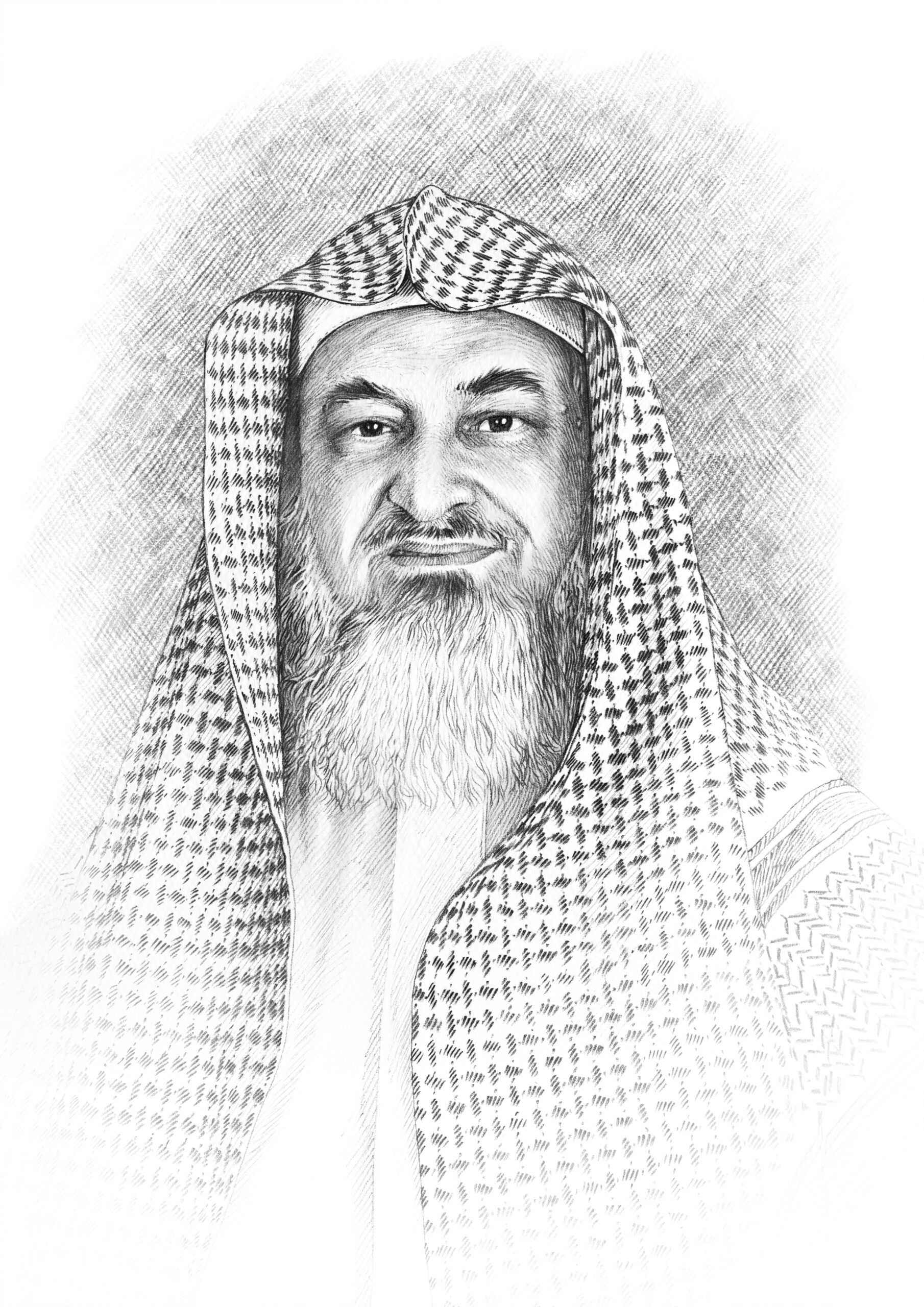
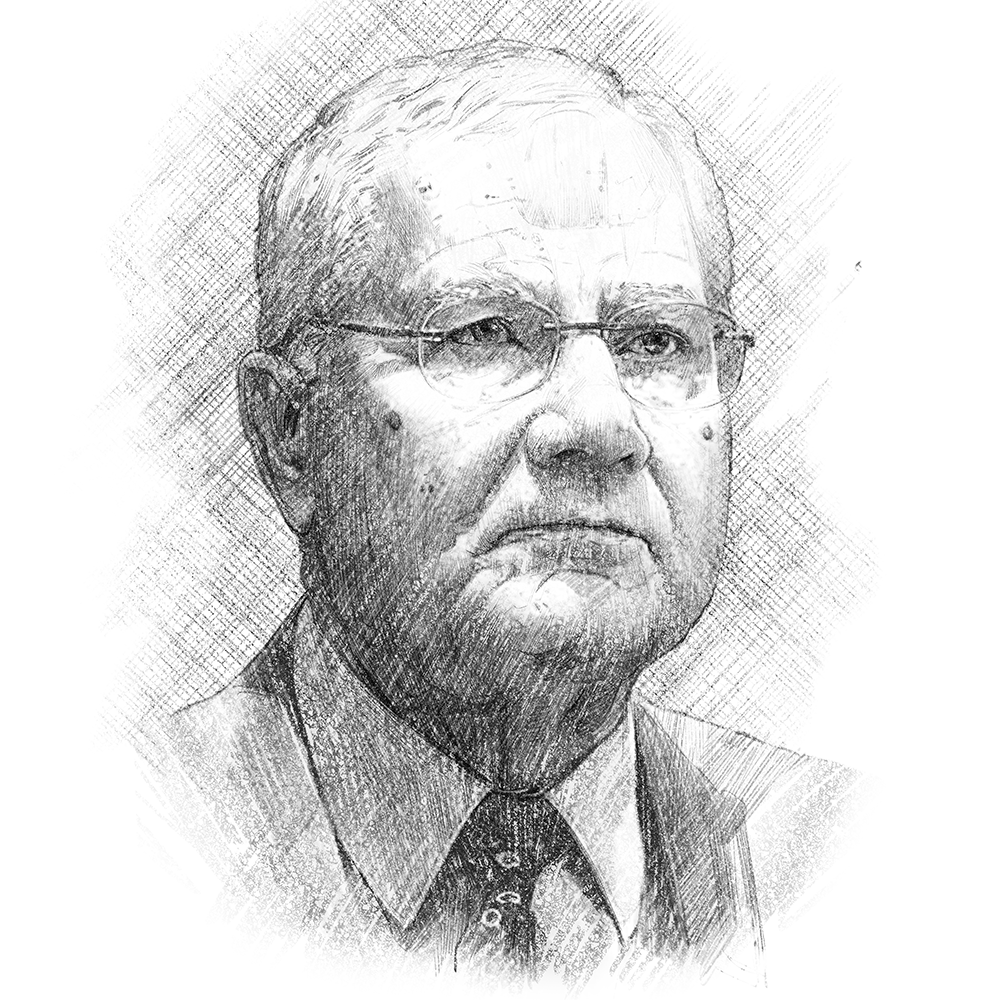
2026 Sheikh Abdullatif Ahmed Alfozan

Sheikh Abdullatif Ahmed Alfozan

Abdullatif bin Ahmed Alfozan was born in Al-Zulfi, Kingdom of Saudi Arabia, in 1937 and grew up in a well-established merchant family, which shaped his early path and exposed him to practical experience from a young age. With direct support from his father, he learned the details of trade and business management during a period when the Gulf region was witnessing strong economic growth. Sheikh Abdullatif Alfozan is now one of the prominent figures in business and social development in Saudi Arabia.

He later moved to Al-Khobar, where he founded Abdullatif and Mohammed Alfozan Company with his brother. Under his leadership and vision, the company grew into a major economic group with more than forty companies operating in industry, commerce, retail, and urban development, in addition to investments through Alfozan Holding. Alongside this growth, Sheikh Abdullatif remained committed to building strong nonprofit institutions. He established Ajwad Endowment as a platform for community sustainability, and launched Alfozan Community Service Program, which became a leading platform for social innovation and has reached more than one million beneficiaries across Saudi Arabia.

His contributions extended to education, health, and urban development, and Alfozan Academy at King Fahd University of Petroleum and Minerals is one of his most notable initiatives, designed to prepare leaders for the nonprofit sector. He also founded the Abdullatif Alfozan Autism Center (Afaq), the largest of its kind in the Middle East, in addition to several health and rehabilitation centers in Al-Zulfi and Al-Khobar. In the field of architecture and urban development, he launched the Abdullatif Alfozan Award for Mosque Architecture, which became an international reference in documenting architectural innovation. He also established Mosqpedia, the first digital encyclopedia dedicated to mosque architecture, along with initiatives such as Mujassam Watan, affordable housing programs, and several environmental projects such as Ertiqa association for computer refurbishment.

Sheikh Abdullatif’s contributions continued beyond Saudi Arabia. His efforts include establishing Islamic centers in Eastern Europe, building mosques in India and Indonesia, digging wells, restoring schools in Syria in cooperation with the King Salman Humanitarian Aid And Relief Centre, and establishing a housing endowment for students of knowledge in Jordan. Through the award and the academy, he contributed to developing knowledge resources such as national guides for mosque construction, training courses, and professional standards for the nonprofit sector, which are now recognized as national references in Saudi Arabia.

Sheikh Abdullatif Alfozan has been widely recognized at the Arab and international levels, including an honorary award from The World Peace and Prosperity Foundation at the British Parliament in 2017, and his selection among the most influential Arab figures in social responsibility in 2020. Sheikh Abdullatif remains a model of a business leader who combined economic vision with a deep human spirit, dedicating his experience to building lasting social influence inside and outside Saudi Arabia.

portrait (1) 2

Mr. Sami Abdullah Almaqlouth

Sami Almaqlouth memorized the Holy Quran at an early age and received his elementary education in Al-Ahsa and Al-Khafji. He earned a bachelor’s degree in education with a major in History and a minor in Geography, graduating with second-class honors from King Faisal University in 1988. He worked in the field of education for three decades until his early retirement. He worked as an Imam and sermon in Almaqhlouth mosque in Al-Ahsa for two decades. He is currently serving as a consultant in the Atlas Department at the General Authority for Survey and Geospatial Information, and the Muslim World League.

He established (The Electronic Encyclopedia of the Kingdom of Saudi Arabia) and (King Fahad: The First Pioneer of Education), implemented by the ministry of education. He served as a member of the Social Sciences Curriculum Development Team for the Comprehensive Curriculum Development, and as a member of the team which authored the (Geographic School Atlases) for the ministry of higher education.

Mr. Almaqlouth was entrusted with several projects, most notably: the Atlas of the History of Islamic Preachment document for the Ministry of Islamic Affairs; developing a document on incorporating tourism and archaeological concepts into educational curricula; and the following geospatial documents: Riyadh Region Atlas, the Saudi Atlas for Humanitarian Aid and Relief Center, the Holy mosques Atlas, the preliminary ideas for the King Salman Bin Abdulaziz Atlas. He also established a preliminary concept document for the Arabic Language Atlas for the King Salman Global Academy for Arabic Language, a detailed concept for the museum of the (Holy Quran and Prophet’s Sunnah) for the Muslim World League, and the (Muslim World League Atlas) document.

Among his works is the Series of Historical and Islamic Atlases, comprising 22 atlases, most notable are: the Atlas of Prophets and Messengers, the historical atlas of the biography of the prophet peace be upon him, the Series of Atlases of Al-Khulafa’ Al-Rashidun, may Allah be pleased with them, the Atlas of Islamic Conquests, the Atlas of the Wars of Apostasy, the Series of Atlases on the History of Islamic States (Umayyad, Abbasid, Mamluk, and Ottoman), the Atlas of Modern World History, the Atlas of the Crusades, the Tourist Atlas of Saudi Arabia, the Atlas of Places in the Holy Quran, the Atlas of Religions, the Atlas of Sects in Islamic history, the Atlas of Hadith Scholars, the Atlas of Tafseer Scholars, the Atlas of the Ten Quranic Reciters and their Twenty Narrators, and currently in preparation the Atlas of Fiqh (Islamic Jurisprudence( Scholars.

Global translations: (English, Indonesian language, Malawian language, Urdu, Turkish, Farsi, Bangali, Uzbekistani, and currently French).

Television programs: (Ecumenical Councils in 9 episodes, Notable Hadith Scholars, Islamic Conquests, the Crusades Campaigns Paths, and Spark of Embers).

Most notable awards: King Faisal Prize (Service to Islam 2025), and the Saudi Author Award in 2015.

He was honored as a pioneer of historical atlases in the Arab world at Al-Ahsa Literary Club in 2017.

مصحف تبيان

Tebyan Quran from Liajlehum Association for Serving People with Disabilities

Tebyan Quran for the deaf is a unique achievement that aims to serve individuals with hearing disabilities to comprehend the meanings of the Holy Quran and interact with it using sign language. The project seeks to facilitate the reflection on the verses of the Holy Quran for a group that has long faced challenges in accessing the correct interpretation of religious texts due to the language barrier.

This Quran for the deaf was developed by Liajlehum Association to serve individuals with disabilities. It is the first of its kind, offering a visual translation in sign language for the interpretation of Quranic verses, accompanied by simplified explanations that make religious concepts easier to understand. The Quran relies on advanced technologies to display content, making it an effective educational tool that enhances the inclusivity of Islamic discourse and opens a new horizon for spreading the message of the Holy Quran among the deaf community.

Tebyan Quran represents a qualitative step in integrating deaf individuals into Islamic sciences, as it provides them with an innovative visual means to understand the words of Allah. This enhances their connection with the Quran and offers them the opportunity to reflect on it in an unprecedented way. It also contributes to achieving the principle of equality in accessing religious knowledge and reflects Islamic values that emphasize justice, mercy, and inclusivity.

Tebyan Quran for the deaf has earned widespread attention from scholars and Islamic institutions. It is considered an exemplary model in utilizing technology to serve Islam, reflecting a modern vision for spreading the teachings of the true religion in a way that meets the needs of special groups. This project is part of the blessed efforts contributing to the global dissemination of Islam’s message, affirming that the Holy Quran is a book of guidance for all people, regardless of their linguistic or sensory abilities.

Japan Muslim Association

Japan Muslim Association

The Japan Muslim Association was established in 1952. Every two years, directors are elected from among the Association’s members, and they manage the Association voluntarily. There are currently 15 male and female directors, each responsible for a department of administration. The current president of the Association is Yahaya Endo (11th president).

The Association organizes a number of activities and events to serve Islam and Muslims in Japan and abroad. The Association began its activity in 1955, organizing Hajj campaigns for Japanese Muslims. In 1957, Muslim students began to be dispatched on scholarships for Islamic studies abroad. The first Islamic cemetery was established in Japan in 1966 and was registered in the name of the Association. In 1968, the Association was registered with the Japanese government as a religious organization.

The Association was interested in the Arabic language, and began offering courses to teach Arabic to the Japanese in 1969. The Association’s officials had the opportunity to meet the late King Faisal of Saudi Arabia – May Allah rest his soul in peace- during his visit to Japan in 1971. In 1972, the Association published the first translation of the holy Quran in Japanese, with the support of the Muslim World League. The translation was undertaken by Professor Omar Meta, the second president of the Association.

The Association publishes a quarterly magazine called “Islam,” whose publication began in 1974. So far, 218 issues of the magazine have been published. When the Arab Islamic Institute was opened in Tokyo by the Kingdom of Saudi Arabia in 1984, the Association cooperated with the institute in holding conferences and organizing joint activities. In 1984, the Association acceded to the membership of RISEAP (Regional Islamic Da’wa Council for Southeast Asia and the Pacific) that is based in Malaysia. In 2002, the Association also joined the Japanese Committee of the World Conference of Religious Men for Peace. In 1984, the Association began establishing the Islamic Camp in cooperation with the International Symposium for Islamic Youth in Riyadh.

Having acquired greater experience and having developed markedly, the Association’s services have expanded to a greater level in favor of Muslims in Japan and abroad. It began in 2000 to issue halal certification to Japanese companies. In 2012, it supported those affected by the major earthquake that occurred in eastern Japan. The Association contributed to the interfaith dialogue conference held by the Muslim World League in Tokyo in 2015. In 2016, the Center for Islamic Cultural Exchange in Japan was opened in Tokyo. It is a multi-purpose center that includes a prayer hall, offices, classrooms, and a library.

During his visit to Japan in 2017, the Association met with the Custodian of the Two Holy Mosques, King Salman bin Abdulaziz -May Allah preserve him. The Association participated in the “Makkah Document Conference,” which was held by the Muslim World League in Makkah Al-Mukarramah  in 2019. One of the important books to which the Association contributed was the book titled “A Brief Interpretation of the Holy Quran,” which was translated into Japanese and published by the Tafsir Center for Quranic Studies in the Kingdom of Saudi Arabia.

This biography was written in the year the prize was awarded.

Mr. El-Sammak(1)

Mr. Mohammad El-Sammak

Mr. Mohammad El-Sammak was born in 1939 in Beirut, Lebanon. He studied in the schools of Al-Maqasid Islamic Society and continued his graduate studies at the American University of Beirut and then at the Lebanese American University. He was awarded an honorary doctorate in the humanities. He began his work as a journalist during which tenure he wrote about Islamic thought, authored many books, and devoted himself to developing studies on this subject, which were published in a collection of books. Besides, he gave many lectures and seminars across national, Arab, and international platforms.

Mr. El-Sammak held several positions. He worked as an advisor to the late Lebanese President Rafik Hariri. He also held the position of advisor to the Mufti of the Lebanese Republic. His work in interfaith dialogue (Islam and Christianity) earned him membership on the Board of Directors of The King Abdullah bin Abdulaziz International Centre for Interreligious and Intercultural Dialogue (KAICIID). He was equally a member of several bodies and institutions, namely member of the Supreme Council of the Muslim World League in Makkah Al-Mukarramah, Member of the Council of Al-Bayt Foundation (Amman – Jordan), member of the Board of Trustees of Al-Maqasid Islamic Society (Beirut), member of the Forum for Promoting Peace in Muslim Societies (Abu Dhabi).

Mr. El-Sammak served as the Secretary General of dialogue-based institutions, including the National Islamic-Christian Dialogue Committee (Lebanon), the Arab Committee for Islamic-Christian Dialogue, and Religion for Peace (New York).

He participated as a representative of the Muslims of Lebanon in the Synod held in the Vatican under the chairmanship of Pope John Paul II 1993. He also participated in the Synod Conference on the Middle East, which was held under the chairmanship of Pope Benedict XVI 2010. He was the only Muslim participating in that synod.

His most prominent books comprise “The Arab Decision in the Lebanese Crisis,” “Prophecy and Politics,” “Essays on Coexistence,” “The Middle East Crisis, Whereto?”, “Reflections on Man, Religion, and Politics,” “The Position of Islam in the Clash of Civilizations,” “The Position of Islam in the Dialogue of Civilizations,” “Introduction to the Islamic-Christian Dialogue,” “Religion in the American Decision-making,” “Al-Quds (Jerusalem) before it is too Late,” “Muslims and Contemporary Challenges,” “When the Muslims Occupied the Alps “, “Essays on the Dialogue of Civilizations”, “The Vatican and Relations with Islam”, “Islam and Eastern Christians”.

Mr. El-Sammak was awarded medals of appreciation from Italy, the Vatican, and Jordan, as well as many American and European dialogical institutions.

This biography was written in the year the prize was awarded.

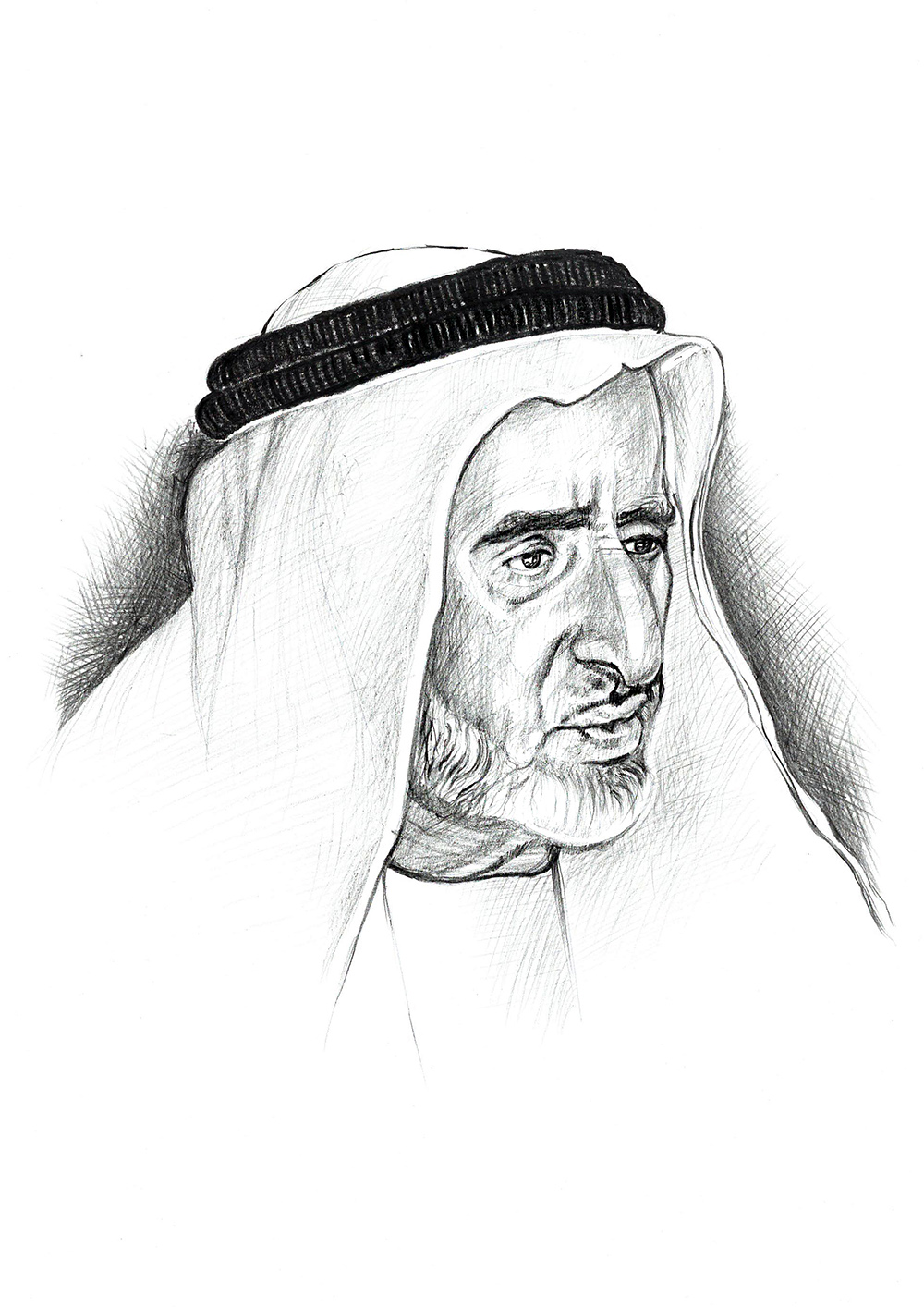
2023 - His Excellency Sheikh Nasser bin Abdullah

Sheikh Nasser bin Abdullah

Sheikh Nasser bin Abdullah Al-Zaabi completed his university education in his country, then joined the Ministry of Foreign Affairs in 1972 where he was appointed as Attaché in the Ministry, then as Chargé d’ Affaires at his country’s embassy in Libya, and then Ambassador at the Ministry of Foreign Affairs. He participated in several meetings and conferences of foreign ministers of Islamic countries and heads of Islamic countries. He has a long track record in charitable work and religious advocacy. Since 1981 he has been Chairman of the Permanent Council of the Islamic Solidarity Fund (ISF), a subsidiary institution of the Organization of Islamic Cooperation (OIC), Chairman of the Board of Trustees of the Islamic University in Niger since 1992, and a member of the Board of Trustees of the Islamic University in Uganda since 1997. He is also a member of a number of Islamic councils, entities and centers.

This biography was written in the year the prize was awarded.

2023 - Professor Choi Young Kil-Hamed

Professor Choi Young Kil-Hamed

Professor Choi Young-Kil obtained a BA in Arabic Language and Literature in 1975, from Hancock University on Foreign Language Studies. In 1980 he received a university studies certificate at the College of Fundamentals of Religion and Da’wah [religious advocacy] at the Islamic University of Madinah. He also obtained a Master’s degree in 1982 in Arabic language from Hancock University for the study on foreign languages, and a PhD degree in 1986 in Islamic studies at Omdurman Islamic University. His PhD thesis was entitled “Islamic Advocacy in Korea”. Professor Choi Young-Kil worked as a teacher during his residence in the Kingdom of Saudi Arabia for Koreans residing in the country at the Islamic Education Center. He served as Visiting Professor at Imam Muhammad bin Saud Islamic University over 1982-1983. He held several academic positions at Myeongji University during which he headed the Department of Arab Studies and Graduate Studies at the university, then Director of Academic Affairs at the College of Arts, and then Dean of the College of Humanities. He is still practicing his work at this university, where he works as a chair professor of Islamic studies. He is also a former member of a number of councils, bodies and centers concerned with Islamic scholarship. He was honored for his efforts in promoting Islamic work and translation. He received the Custodian of the Two Holy Mosques Abdullah bin Abdulaziz International Award for Translation for the year 2008, and an award for serving Islam from the Regional Council for Islamic Call in Southeast Asia for the year 2023.

This biography was written in the year the prize was awarded.

2022 - H.E. Ali Hassan Mwinyi

H.E. Ali Hassan Mwinyi

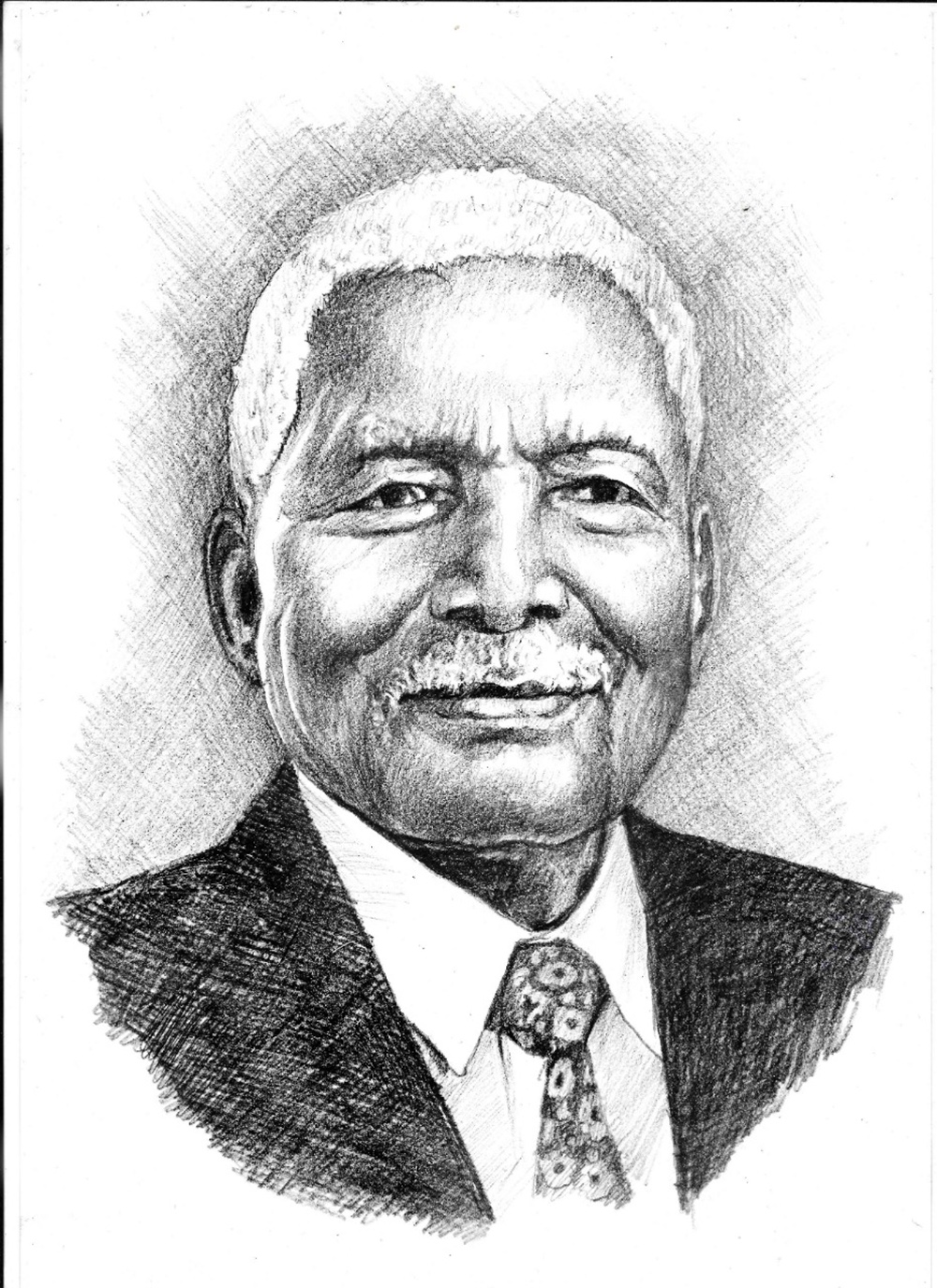
Ali Mwinyi received his primary education in the western Zanzibar region, and then joined the Maikendani School, west of Zanzibar, to complete his secondary education. Then, he joined the Institute of Education at the University of Durham in the United Kingdom, where he obtained a teaching diploma, worked as a teacher and then as a director of a number of schools, as a director of the Zanzibar College for Teaching Training in the western region of Zanzibar; he received a doctorate in arts from the Open University of Tanzania, and obtained a doctorate in Philosophy of Business Administration from East African University in Kenya before deciding to enter politics.

He held several government positions, as a Minister of Interior, then as a Vice President of the former Tanzanian Julius Nyerere, and then as a President of the Republic from 1985 to 1995, and during his rule, Tanzania took the first steps to liberate itself from socialism.

During his second term, he introduced a multi-party system, which had many positive aspects to life in Tanzania, both politically and socially. He was able to turn his country into a free country, and that individual freedom was one of the important beliefs. President Mwinyi is still an active personality and a participant in many Islamic and national activities. He was awarded the Master Julius Nyerere Kambaraj Medal (Tanzania), and received an honorary doctorate from the International University of Africa – Sudan in 2015.

This biography was written in the year the prize was awarded.

2022 - Professor Hassan Mahmoud Al-Shafei

Professor Hassan Mahmoud Al-Shafei

Hassan Al-Shafei obtained a B.A. in Arabic Language and Islamic Sciences from the Faculty of Dar Al Ulum, Cairo University, 1963, and a high degree from the Faculty of Fundamentals of Religion, Al-Azhar University, in faith and philosophy, and a master’s degree in Islamic philosophy from the Faculty of Dar Al Uloom, University of Cairo, 1969, and a doctorate in Islamic philosophy from the University of London in 1977. He worked at Dar Al-Ulum University in Cairo from 1963, when he was appointed as a head of the Department of Islamic Philosophy in 1994, then a full-time professor of the same department in 1996. He worked in a number of universities outside Egypt, including: the Islamic University of Omdurman in 1979, Imam Muhammad bin Saud Islamic University in Riyadh 1981, and was seconded to the International Islamic University in Islamabad – Pakistan in 1981, then was appointed as its president in 1998; he also worked as the president of the Arabic Language Academy in Cairo during the period (2012-2020). He is also a former member of several councils, bodies and centers, including: the Supreme Council for Islamic Affairs in Cairo, the Center for Islamic Studies at Cairo University, and the “100” Committee entrusted with writing the new Egyptian constitution. The Council of Senior Scholars in Al-Azhar Al-Sharif. He authored, edited, and translated many books and published a number of other scientific research.

This biography was written in the year the prize was awarded.