
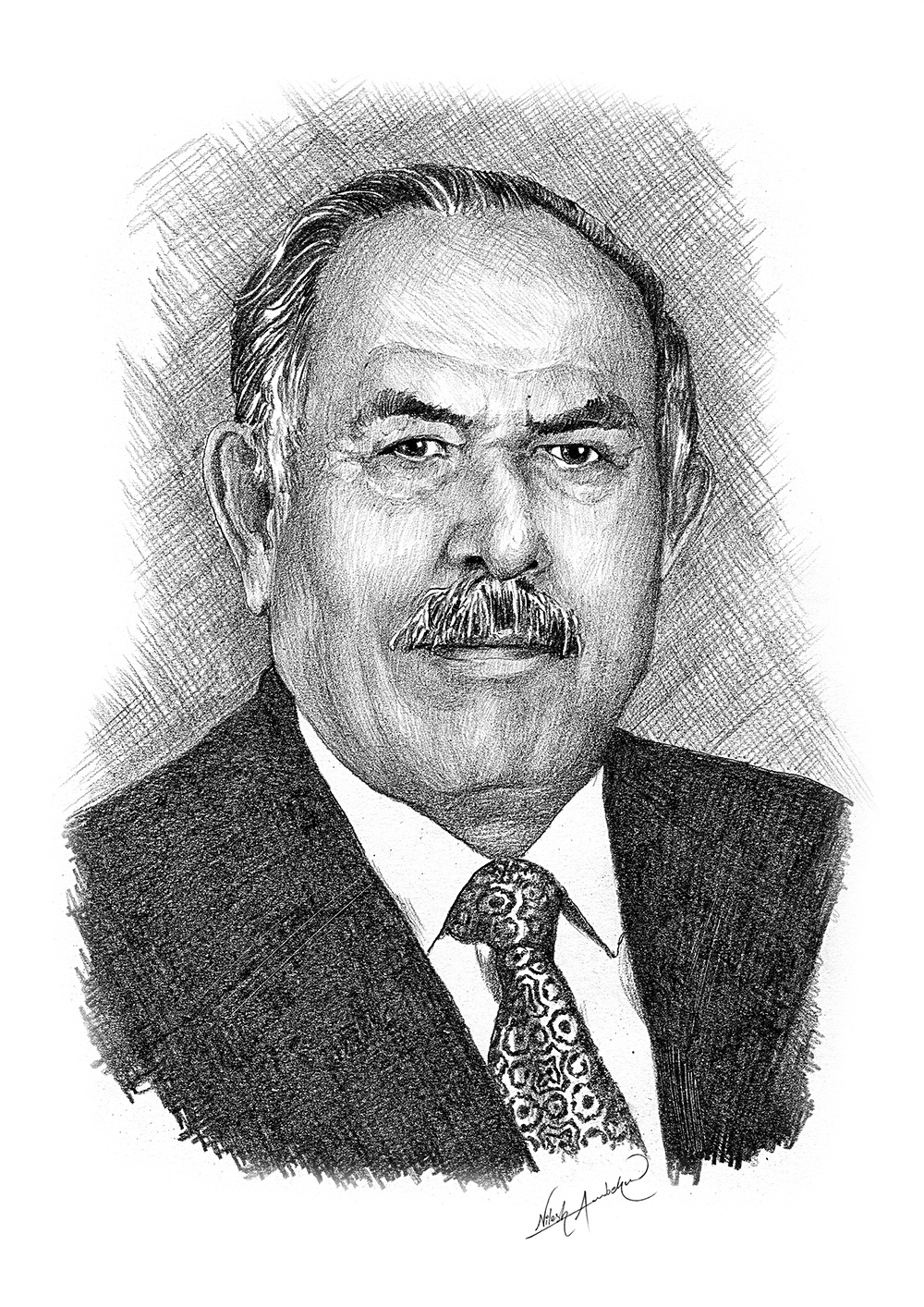
2018 -بشار عواد

Professor Bashar Awad

Bashar Awad graduated from primary and secondary schools in 1960. He enrolled in the Department of History at the College of Arts at Baghdad University, from which he graduated in 1964. In that same year, he enrolled in the Master’s Program of History and Archeology at Baghdad University. Professor Marouf was appointed in 1967 as a teacher at the College of Shari’a Studies at Baghdad University. He later earned his Ph.D. from the College of Arts at the same university in 1976. His doctoral thesis was titled Ad-Dahabi’s Approach in ‘History of Islam’.

Professor Awad worked at Baghdad University and advanced through academic work, eventually earning professorship in 1981. He has been keenly interested in studying and minutely scrutinizing the Prophet’s Hadiths. He has been particularly devoted to studying biographies, narrators, and the ‘hidden defects’ of some Hadiths. He taught as a Professor of Hadith in several universities.

Many of Awad’s studies have been published in Baghdad, Cairo, Damascus, Beirut, Amman, Tunis, and London. Notable among his publications are The Impact of Hadith on the Emergence of Muslim History, Al-Mundhiri’s and His ‘Al-Takmila’, Baghdad’s Biographical Histories, Ad-Dahabi’s Approach in ‘History of Islam’, A Journey through Thought and Heritage, The History of Islam and the Concept of the Arab Leadership of the Islamic Ummah [community], Explanation of the Ruling on Chanting the Quran, A Selection of the Prophet’s Hadiths, The whole Musnad [collection of Hadith] (22 volumes), and Classified and Verified Musnad (41 volumes).

Among the many books Professor Marouf verified are Al-Wafayāt by Abu Masoud Al-Hajji, Ahlu Al-Mi’a and Upwards by Al-Hafiz Ad-Dahabi, Postscript to the History of Baghdad, City of Peace by Ibn Al-Dabaythi (5 volumes), The Grand Mosque by Imam Abu Issa Al-Tirmidhi in six volumes, Sunan Ibn Majah by Imam Muhammad ibn Yazid Al-Qazwini in six volumes, The History of the City of Peace by Hafiz Abu Bakr Al-Khatib Al-Baghdadi in seventeen volumes, The History of Islam and the Deaths of Celebrities and the Famous by Al-Hafiz Shams Addeen Ad-Sahabi in seventeen volumes, and many other publications.

This biography was written in the year the prize was awarded.
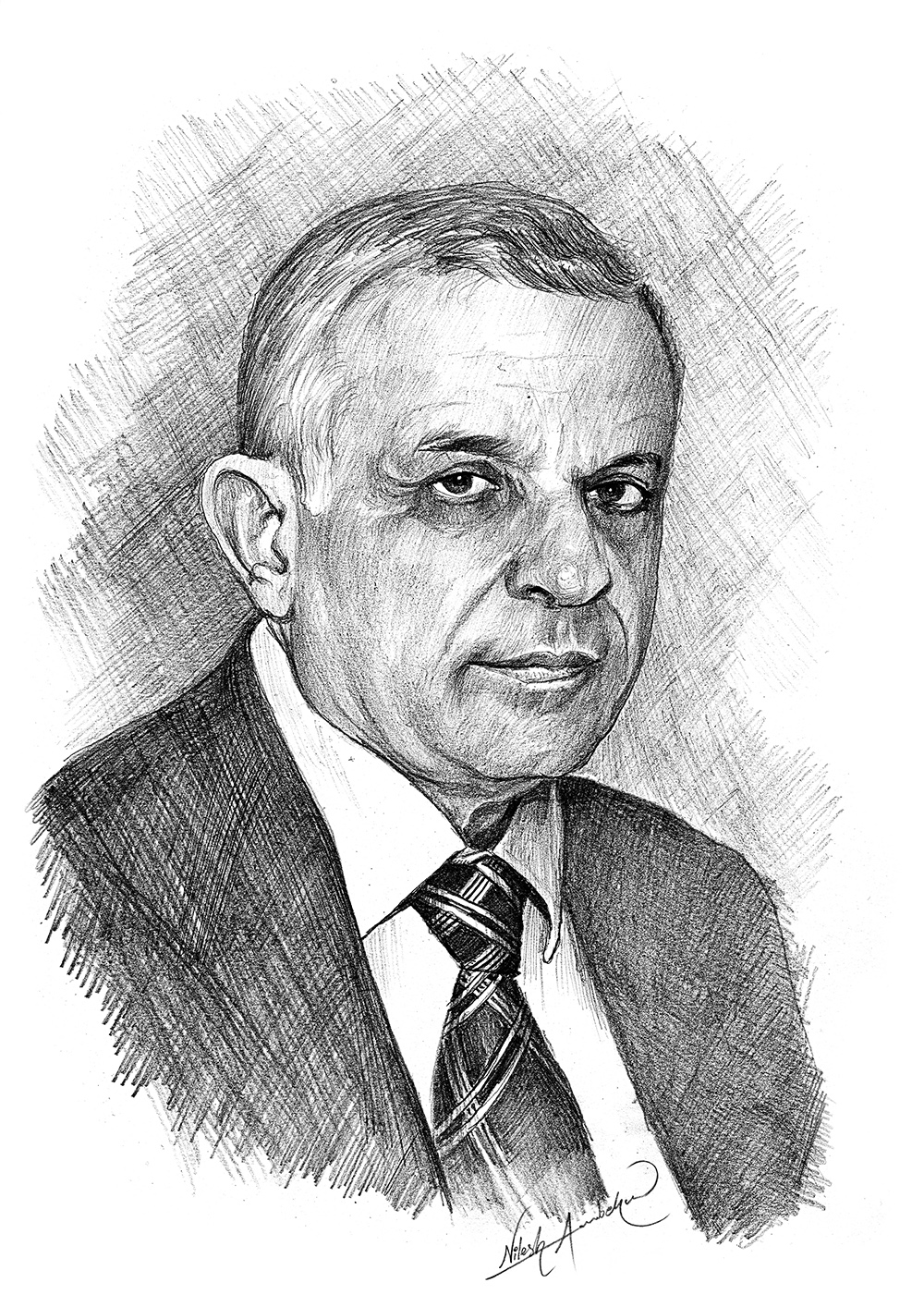
2017 -رضوان نائف السيد-

Professor Ridwan Al-Sayyid

Ridwan Al-Sayed received his Alimiyyah Certificate (equivalent to Bachelor) from the College of Usul Al-Din in Al-Azhar University in 1970, and a State Doctorate in Philosophy from the Department of Religious Studies at TÜbingen University in Germany in 1977. He joined the academic staff of the Lebanese University for the next forty years, advancing from lecturer to Assistant Professor and becoming a full Professor in the Department of Philosophy at the College of Arts in 1989. He served as a Visiting Professor in the Department of Islamic Studies at Sana’a University in Yemen (1989-1991), the Center for Middle Eastern Studies and the College of Law at Harvard University (1993-1994; 1997; 2002), and the Center for Middle Eastern Studies at the University of Chicago (1994; 1995) in the USA, the College of Theology at Salzburg University in Austria (1994), the Department of Comparative Theology and Anthropology at the University of Bamberg in Germany (2001), and the Institute of Islamic World Studies at Shaikh Zayed University in the United Arab Emirates (2012-2014). He is currently a professor emeritus at the Lebanese University.

Professor Radwan Al-Sayed is an eminent scholar, who has enriched the Arabic and Islamic libraries with his books, studies, and research that reflect his insights and thorough knowledge of Arabic and Islamic religious heritage, deep knowledge of modern research methodologies, and ability to pursue detailed analysis and coordination between the origins of Islamic political thought and contemporary Arabic/Islamic reality. He verified nine books pertaining to Islamic heritage and authored twelve other books, of which he translated five.

Professor Al-Sayed owns an imposing teaching experience both at the undergraduate and the postgraduate levels. This includes teaching the: origins of Islamic jurisprudence, Islamic theology, Qur’anic studies, Islamic history and sociology, Islamic philosophy, interpreters’ methods, modern Islamic thought, orientalists input, etc .

Apart from serving as a Professor of Islamic studies at the Lebanese University, Professor Al-Sayed held several other tasks during his career. He was an Acting Director of the Arab Development Institute in Beirut (1982-1985), and a Director of the High Institute for Islamic Studies (1985-1988; 1994-2000). He also served as an Editorial Secretary of the Islamic Thought journal (1970-1972), a Chief Editor of Arab Thought magazine (1979-1985), and a Co-editor of Al-Ijtihad journal (1988-2004). He has also made significant contributions in many conferences and seminars in the Arab World, Europe and the USA, in addition to his translations, journal articles and contributions in many cultural dialogues in various mass media.

He is a member of the Advisory Committee of the Arab Thought Foundation, a Founding Member of the Deanship of Shari’a College in Beirut, an Active Member of the Royal Jordanian Al-Albait Academy, a Member of the German Orientalists Society, and of the Board of Directors of Al-Maqasid Islamic Society in Lebanon, and the Lebanese Universities’ Council.

Professor Al-Sayed was awarded Abdulhamid Shoman Prize for Islamic Studies in 1985, Abdulhadi Al-Dibs Prize for Distinguished Research in the field of Islamic Studies in 1997, and Al-Khwarizmi Prize for the best contribution in Islamic Studies in 1998.


This biography was written in the year the prize was awarded.
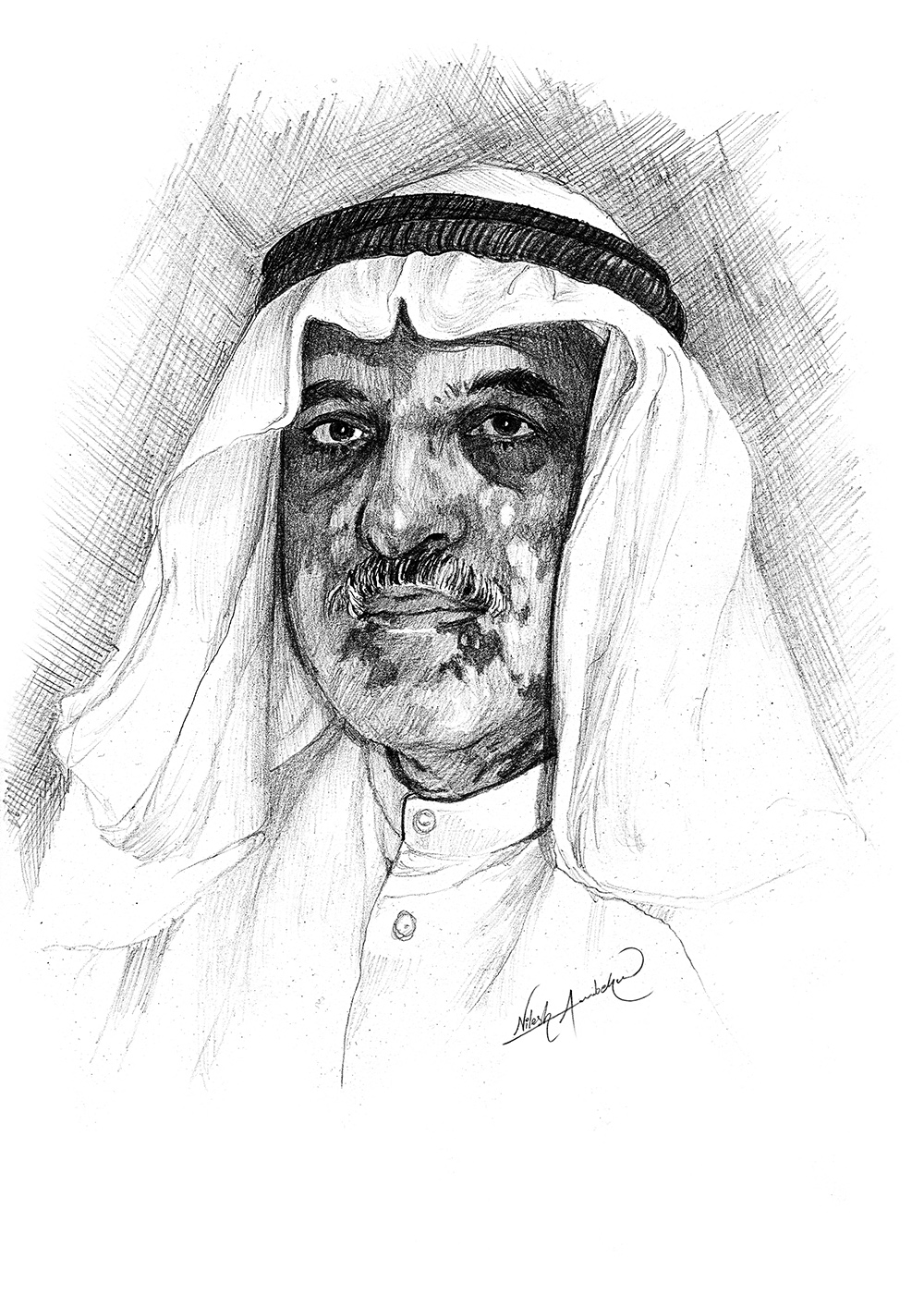
2016 -الغنيم-

H.E. Professor Abdullah bin Yousif Al-Ghunaim

Abdullah Al-Ghunaim completed his high school education in Kuwait then joined Cairo University in the Arab Republic of Egypt, where he earned Licentiate in Arts (Geography) in 1969, a Master’s degree (First Class Honors) in 1973 and a Ph.D. (First Class Honors) in 1976. During his career, spanning nearly forty years, he assumed many academic, administrative, and executive tasks. As a faculty of Kuwait University, he progressed quickly from an Assistant Professor to full Professor of Geography at College of Arts, chaired the Geography Department, and became Dean of the College of Arts., He was also appointed a Minister of Education twice from 1996-1998 and from 1990-1991. Thereafter, he was appointed an Emeritus Professor of Geography in Kuwait University.

Professor Al-Ghunaim also served as a Director of the Arabic Manuscripts Institute of the Arab Organization for Education, Science and Culture, a Consultant to the National Council for Culture, Art and Literature, the Founder and Head of the Research and Translation Unit of the Geography Department in Kuwait University, a Member of the Board of Directors of the Manuscripts Museum in Alexandria Library, an Advisory Council of the Manuscripts Institute of the Arab League of Nations, a Board of Governors of the Islamic Organization of Medical Sciences, and many other advisory committees and cultural and scientific institutions. Besides, he founded the Research and Studies Center of the Kuwaiti Council of Ministers.

Professor Al-Ghunaim is a member of the Arabic Language Academies in Damascus and Egypt, the Russian Academy for Social Studies, the International Academic Council of the Islamic Studies Center at Oxford University, the Royal Academy of Al-Albayt Foundation for Islamic Thought, the Board of Directors of the Gulf University, Bahrain, and the Kuwaiti, Saudi, Egyptian, and American Geographical societies.

He is also Chief Editor of the Gulf and Arabian Peninsula Studies journal and a member of the Board of Directors of the Journal of Humanities, Editorial Board of Annals of the College of Arts, Kuwait University, Advisory Board of the Jordanian Journal of History and Archeology, Gulf Journal of Geography and Journal of Arabic Sciences and Humanities, Qassim University, Saudi Arabia, and a former member of the editorial boards of Al-Bayan and the Kuwaiti Arts and Education Journal. He participated in about 50 Arab and international conferences and symposia, and was a Visiting Professor at the Department of Science History at Harvard University, USA, and the Center for Islamic Studies at Oxford University, U.K., and a lecturer or an examiner of post-graduate studies in several Arab universities.

In addition to his numerous research publications, Professor Al-Ghunaim authored, critically edited, and or supervised many books dealing with Arabic and Islamic geographic legacy. He visited and carried out field studies in geographical and historic sites in Saudi Arabia. Yemen, Sultanate of Oman, Qatar, Bahrain, and Jordan. He also participated in developing sociology curricula in Gulf countries and in serving the community through his chairmanship of the Board of Directors of the Endowment Fund for Scientific and Social Development.

Professor Al-Ghunaim is acclaimed for his distinguished venture to revive ancient Arabic terms on shapes of the earth’s surface and adapt them to contemporary geography. This is the best exemplified by his Arabic texts: “The Pearls” and “Arabic Geographic Heritage,” in addition to his unprecedented record of earthquakes in his book “Arabic Register of Earthquakes.”

He was awarded the Accolade of Independence by the Jordanian Hashemite Kingdom (2013), Prize of the Kuwait Foundation for Advancement of Science for his contributions to Arab scientific heritage (1985), the Saudi Geographical Society Prize for Arab innovators (2004) and Prince Salman bin Abd Al-Aziz (now Custodian of the Two Holy Mosques) Prize for Studies on the history and geography of the Arabian Peninsula (2014). In the same year, he was named ” Heritage Personality of the Year” by the Arab Education, Science and Culture Organization.


This biography was written in the year the prize was awarded.
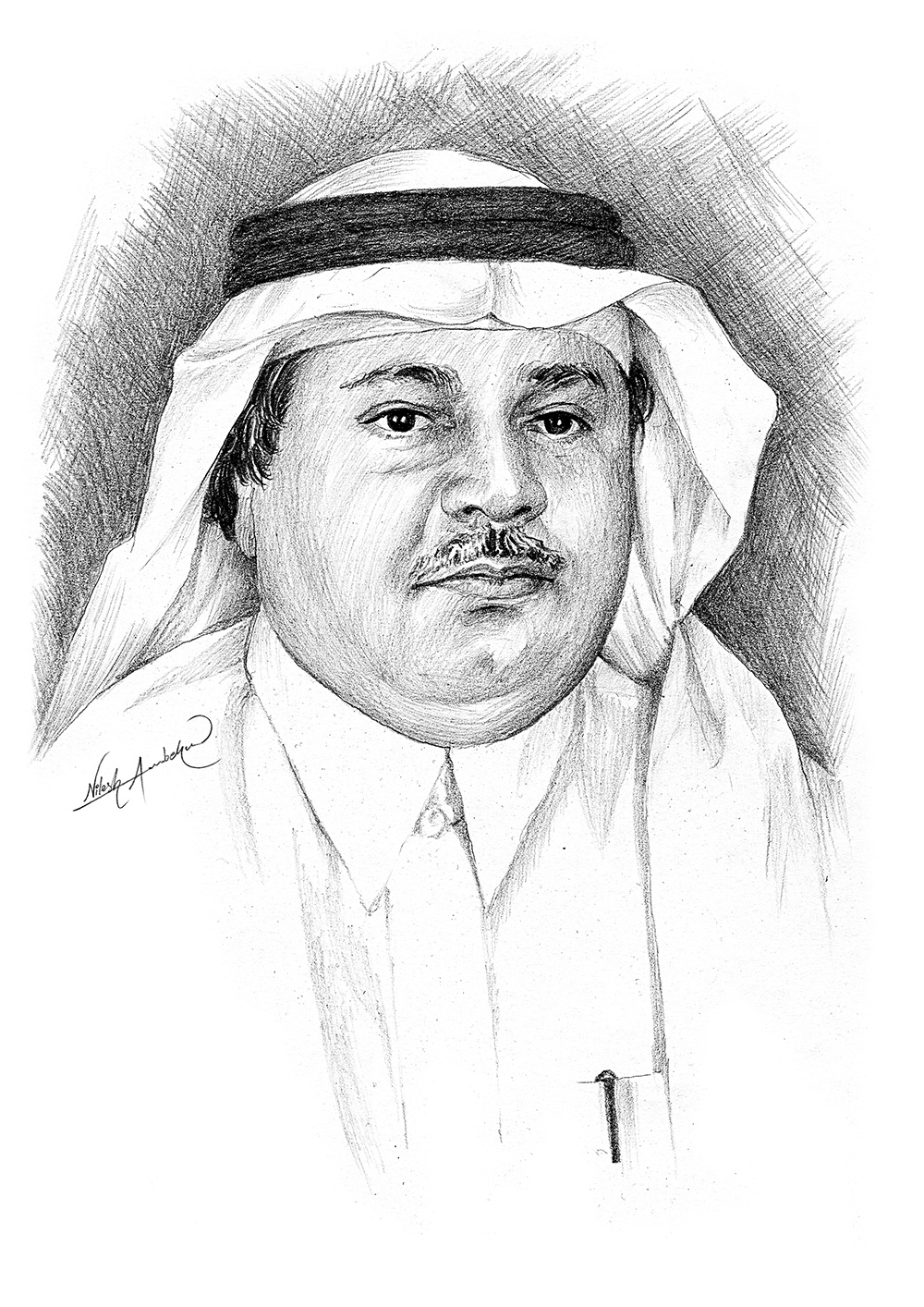
2015 -عبدالعزيز كعكي-

Dr. Abdulaziz Bin Abdulrahman Kaki

Abdulaziz Kaki completed his general education in Al-Madinah Al-Munawarah before moving to King Saud University in Riyadh to study architecture. He obtained his bachelor degree in Architecture from the College of Engineering at King Saud University, Riyadh, in 1982, followed by a Master’s degree from the Department of Architecture and Planning in the College of Engineering at Al-Azhar University, Cairo, in 1991, and a Ph.D. in urban planning from Edinburgh College of Arts (Department of Urban Planning) at Heriot-Watt University, Edinburgh, the United Kingdom, in 2002.

Dr. Kaki started his career in the College of Engineering at King Saud University before taking up several administrative and leading positions in the field of architectural planning and development in Al-Madinah Al-Munawwarah Municipality. He currently serves as a Consultant to Al-Madinah Al-Munawarah Development Commission.

Many of Dr. Kaki’s numerous and distinguished contributions have focused on researching, illustrating, and documenting the cultural heritage of Al-Madinah Al-Munwwarah. His work has been embodied in more than 30 books in Arabic and English and numerous articles and research papers. Dr. Kaki has also established the Al-Madinah Al-Munawarah Home, the Library and Museum of Architectural and Cultural Heritage, where hundreds of scholars and students learn about the humanitarian and artistic values of the city’s heritage. He has also participated in numerous architectural and planning projects in Al-Madinah Al-Munawwarah Municipality and elsewhere. Besides, he has contributed to many conferences, workshops, and technical committees in his field of specialization.

Dr. Kaki’s achievements have been recognized by Prince Sultan bin Salman Prize for Architectural Heritage in 2006, The Al-Madinah Al-Munawwarah Prize for Architectural Research in 2007, and Prince Salman bin Abd Al-Aziz (now Custodian of the Two Holy Mosques) Prize for Research on the History of the Arabian Peninsula in 2014.

This biography was written in the year the prize was awarded.